A non-running car in the driveway can become a bigger hassle every week it stays there. If you are searching for how to prepare vehicle for collection, the good news is that you do not need to repair it, clean it professionally, or arrange your own tow. A few practical steps can help the pickup team access the vehicle safely, confirm the details quickly, and get your payment sorted without delays.
Whether it is an accident-damaged car, an old van, a deregistered ute, a scrap truck, or a vehicle that simply will not start, preparation is mostly about access, ownership, and removing your belongings.
Prepare Your Vehicle for Collection Before Pickup Day
Start by confirming the basic information given in your quote. The make, model, year, location, condition, and whether the vehicle runs can all affect the collection plan. Be upfront if it has flat tires, missing wheels, fire damage, severe accident damage, a locked steering wheel, or is parked somewhere difficult to reach.
This is not about making your vehicle look better than it is. It is about making sure the right tow truck, equipment, and crew arrive ready for the job. A dead sedan on a flat driveway is straightforward. A heavy 4WD behind a house, a van in a tight commercial yard, or machinery with restricted access may need a different setup.
If anything has changed since you requested the quote, let the buyer know before collection. Clear details help avoid wasted time and keep the process moving.
Remove personal items from every compartment
Check the obvious places first: the glove box, center console, door pockets, trunk, and under the seats. Then look in less obvious spots, including sun visors, seat-back pockets, spare tire wells, toolboxes, roof storage, and aftermarket storage compartments.
Do not forget documents, garage remotes, work tools, child seats, sunglasses, prescription medication, receipts, and spare change. If the vehicle was used for work, check for company devices, job paperwork, access cards, fuel cards, and branded equipment.
It is much easier to remove your belongings before a vehicle is loaded onto a tow truck. Once the vehicle enters the dismantling process, recovering an item may not be possible. Take five extra minutes to check it properly.
Take off anything you plan to keep
If you want to retain a personalized plate, roof rack, stereo, tool box, tow hitch accessory, phone mount, or other removable item, deal with it before collection. Let the buyer know if a quoted vehicle will be missing any major parts, such as an engine, gearbox, wheels, catalytic converter, or battery.
Small accessories may not change the arrangement, but major missing components can affect the vehicle value or the recovery equipment needed. Being clear protects everyone from a surprise at pickup.
Gather the Details Needed for a Smooth Sale
Have your photo ID and any available ownership or registration paperwork ready. Requirements can vary depending on the buyer, the vehicle’s status, and local rules, especially for deregistered or commercial vehicles. The key point is to be able to show that you have the authority to sell or dispose of it.
If the car belongs to a business, estate, finance company, or another family member, sort out permission before booking collection. A towing crew cannot safely assume that the person standing beside a vehicle is authorized to sell it.
You should also have the keys ready, even if the vehicle does not run. Keys can make steering, loading, unlocking compartments, and moving the vehicle much simpler. If you do not have keys, say so when arranging pickup. Collection may still be possible, but the team needs to know in advance.
For payment, confirm the method before the truck arrives. Ask what information is needed and make sure the person receiving payment is available at collection time. That is particularly useful for businesses disposing of fleet vehicles or for households where the registered owner is not usually at home during the day.
Make the Pickup Area Safe and Accessible
A free removal service can only be quick if the vehicle can be reached. Move other cars, trailers, bins, garden equipment, and loose items out of the access path where possible. Make enough room for a tow truck to enter, turn, and load the vehicle.
If your car is behind a locked gate, parked in an apartment garage, or located at a workshop with restricted entry, arrange access ahead of time. Tell the pickup team about low branches, steep driveways, narrow gates, soft ground, or overhead clearance issues. These details matter more than a freshly washed exterior.
For roadside or rural collections, give an accurate address and a clear description of where the vehicle is sitting. A nearby landmark, gate color, business name, or the side of a long driveway can save time. Keep your phone nearby around the agreed collection window in case the driver needs directions.
Do not try to make an unsafe vehicle movable
There is no need to push a heavy vehicle down a slope, inflate damaged tires beyond what is safe, or jump-start a car with leaking fluids just to help the pickup. Leave difficult loading to trained operators with the right equipment.
If there is a fuel leak, exposed wiring, a damaged battery, broken glass, or a vehicle positioned near a road, tell the collection provider. Keep children and pets away from the vehicle until it has been removed. Practical safety information is more useful than last-minute DIY fixes.
What to Do With Plates, Registration, and Insurance
Plate, registration, and insurance steps depend on where you live and the status of the vehicle. Do not assume collection automatically completes every administrative task for you. Ask the buyer what happens to the plates and what you must do after the sale or removal.
If your vehicle is still insured, contact your insurer after the sale is confirmed to cancel or adjust the policy. This can prevent unnecessary charges. For vehicles with finance owing, resolve that issue before collection or discuss it openly with the buyer. You cannot normally sell a vehicle freely if another party has a legal interest in it.
Take photos of the vehicle before pickup, including its general condition, license plate or identification details where appropriate, and any major damage. This is a sensible record for your own files, especially for commercial vehicles, insurance claims, or estate administration.
A Quick Checklist for Collection Day
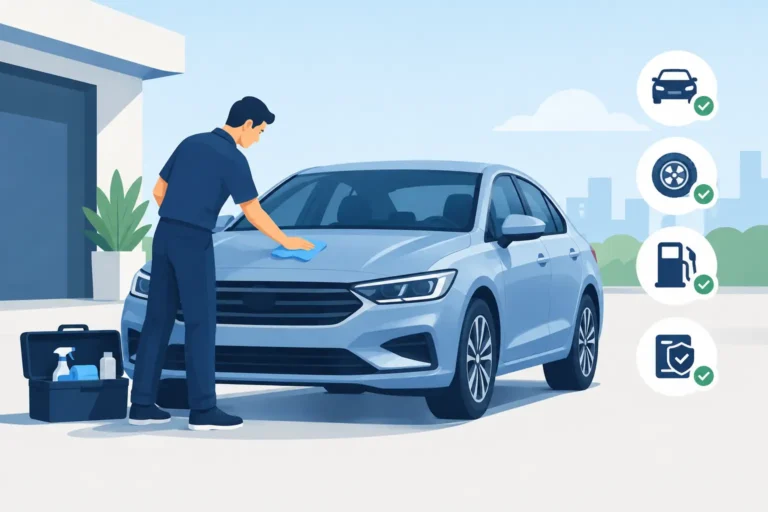
Before the driver arrives, make sure you have handled these practical jobs:
- Removed personal items, work gear, documents, and valuables.
- Kept the keys, photo ID, and any available ownership paperwork ready.
- Confirmed the vehicle condition, exact pickup address, and access details.
- Moved obstacles so the tow truck can reach the vehicle safely.
- Told the buyer about flat tires, missing parts, leaks, locked gates, or difficult access.
- Confirmed who will be present to authorize the sale and receive payment.
You do not need to spend money on repairs, detailing, or a trip to the mechanic before selling an unwanted vehicle. If it is no longer worth fixing, its condition can be assessed as it is. Damaged, dead, scrap, and deregistered vehicles still have value through reusable parts and recyclable materials.
Common Questions About Vehicle Collection
Do I need to wash the vehicle first?
No. A basic clear-out is more useful than a wash. Dirt, dents, mechanical faults, and cosmetic damage are expected with unwanted vehicles. The buyer needs an accurate description, not a showroom-ready car.
Can a vehicle be collected if it does not start?
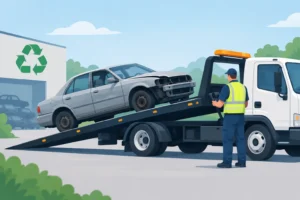
Usually, yes. Non-running vehicles are commonly collected by tow truck. Just describe the issue honestly, including whether the wheels roll, the steering is locked, or the car is blocked in.
What if I cannot be there for collection?
It depends on the buyer’s process and whether the necessary authorization, keys, and payment arrangements can be handled securely. Ask before booking rather than leaving a vehicle accessible without clear instructions.
When you are ready to clear the space and get paid for a vehicle you no longer need, preparation should take minutes, not days. Give clear details, remove what matters to you, make access easy, and let Quick Cash For Cars handle the heavy lifting.