A dead car in the driveway can become expensive even when it is not moving. It takes up space, can leak fluids, loses value over time, and may become harder to sell as parts deteriorate. Knowing the top signs car is scrap helps you stop putting money into a vehicle that is unlikely to give much back.
A scrap car is not always completely crushed, rusted out, or beyond recognition. It may still start, have useful parts, or look reasonable from the outside. The real question is whether repairing and keeping it makes financial sense compared with selling it in its current condition.
Top Signs a Car Is Scrap
The repair bill is higher than the car is worth
This is usually the clearest sign. If your mechanic quotes thousands for an engine, transmission, electrical, or structural repair and the car is worth less than that amount when running, it may be time to stop repairing it.
For example, an older sedan with a failing transmission may still be reliable in other areas. But if the transmission replacement costs more than the vehicle’s resale value, you could spend a lot and still own an aging car with future repair needs. Selling it as scrap or for parts can be the more practical move.
This does not mean every expensive repair makes a car scrap. A well-maintained vehicle with strong market value may justify a major repair. Compare the repair quote, the car’s condition, its mileage, and the likely cost of the next few repairs before deciding.
The engine or transmission has failed
A blown engine, cracked engine block, severe overheating damage, or failed transmission can quickly turn a usable vehicle into an unwanted one. These are major components, and repairs are rarely cheap.
Some vehicles are worth rebuilding, especially newer models, popular trucks, 4WDs, or vehicles with low mileage. For many older cars, vans, and work vehicles, however, replacing the engine or transmission is more than the vehicle is worth. Even if it does not run, it may still have value as a whole vehicle because of its metal, drivetrain, body panels, wheels, and reusable parts.
Rust has reached the frame or structural areas
Surface rust on a door, hood, or wheel arch is not always a deal-breaker. Structural rust is different. When corrosion affects the frame, subframe, suspension mounting points, floor pan, or other load-bearing areas, safety becomes a serious concern.
A vehicle with major structural rust can fail inspection, handle poorly, and become unsafe in a crash. Rust repair is labor-intensive because damaged metal often must be cut out and replaced. If corrosion is widespread, scrapping the vehicle is usually safer and less costly than trying to patch it up.
It has serious accident damage
After a major collision, a car may look repairable but still have hidden damage. Bent chassis rails, deployed airbags, damaged suspension mounts, broken cooling systems, and electrical faults can all add up quickly.
Insurance companies often declare a vehicle a total loss when repairs exceed a certain share of its value. Even when insurance is not involved, the same basic logic applies. If the vehicle needs major body work, airbag replacement, mechanical repairs, and alignment work, it may be better sold in its damaged condition.
Do not assume an accident-damaged vehicle has no value. Wreckers can often recover usable doors, lights, engines, transmissions, interior components, wheels, and other parts from a collision-damaged car.
The car keeps failing for different reasons
One repair is normal. A steady run of unrelated problems is a warning sign. Maybe the battery dies, then the alternator fails, then the cooling system leaks, then the check-engine light returns. At a certain point, the car becomes a cycle of towing, mechanic visits, and surprise bills.
Repeated breakdowns also cost time. Missing work, arranging rides, and paying for emergency towing can make an unreliable vehicle more expensive than the invoices alone suggest. If you no longer trust it for daily driving, selling it may bring more relief than another repair.
It has been sitting for months or years
A car that has not moved in a long time rarely improves with age. Tires go flat, batteries fail, fuel breaks down, seals dry out, brakes seize, and rodents can damage wiring and interiors. What began as a simple no-start issue can become a long list of repairs.
If the vehicle has been sitting in a garage, backyard, parking area, or driveway because you keep meaning to fix it, be realistic about whether that repair will happen. An unwanted non-running car can be collected without you having to get it roadworthy or arrange transport.
It is deregistered or cannot be legally driven
A deregistered vehicle is not automatically scrap, but it can be difficult to sell privately. Depending on its condition, getting it back on the road may involve inspections, paperwork, repairs, and costs that a buyer may not want to take on.
The same goes for vehicles that cannot pass safety checks because of brakes, tires, lights, emissions issues, rust, or other defects. If getting it compliant costs more than the vehicle is worth, selling it for parts or scrap value may be the sensible choice.
The vehicle is missing major parts
A car without an engine, transmission, wheels, catalytic converter, seats, or key components may not appeal to a private buyer. But it can still be worth something to a vehicle buyer or dismantler.
Missing parts will affect the offer, of course. Still, the remaining shell, metal, panels, glass, wiring, and components may have recoverable value. Be upfront about what is missing when requesting a quote so the price is accurate and collection goes smoothly.
What Determines Scrap Car Value?
Scrap value is not based only on weight. Vehicle make, model, year, demand for used parts, metal prices, location, completeness, and condition all matter. A popular Toyota, Ford, Nissan, Mazda, Honda, or Mitsubishi with a bad engine may have more value than an unknown vehicle that is technically still running, simply because its parts are easier to resell.
Commercial vehicles can also be worth more than owners expect. Damaged vans, utes, trucks, buses, 4WDs, and machinery often contain valuable components and heavier materials. The best way to get a realistic figure is to provide the vehicle details, condition, location, and whether it starts or rolls.
Do not spend money trying to make a scrap-bound vehicle look perfect before selling it. Washing out personal belongings and having ownership details ready is useful. Paying for a new battery, fresh tires, or cosmetic repairs usually is not, unless those fixes will genuinely change the vehicle from scrap to a reliable private-sale car.
What to Do Before You Sell It
First, remove personal items from the glove box, trunk, under-seat storage, door pockets, and any work compartments. Check for paperwork, garage remotes, toll tags, tools, child seats, and spare keys. It is easy to forget items that have been sitting in a vehicle for years.
Next, gather the basic information: make, model, year, mileage if known, plate or VIN details, and a clear description of damage or mechanical issues. Tell the buyer if the car is non-running, accident-damaged, deregistered, missing parts, or blocked in. Honest details help avoid delays at pickup.
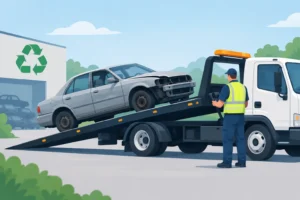
Finally, choose a service that can collect the vehicle where it sits. Quick Cash For Cars buys unwanted vehicles in all conditions and handles free removal, so you do not need to pay a tow truck or get a dead car running just to sell it. You receive a quote, arrange collection, and get paid when the vehicle is picked up.
When Repair Still Makes Sense
Scrapping is not always the right answer. If the car is relatively new, has low mileage, has only one clear fault, and is worth substantially more than the repair cost, fixing it may be the better option. The same can apply to vehicles with strong resale demand or sentimental value.
Ask for a written repair estimate and think beyond the immediate issue. If a $600 repair will give you several reliable years of driving, it may be money well spent. If that repair is only the first of several known problems, selling now can prevent a larger loss later.
A car does not need to be completely dead before you let it go. If repairs are piling up, it is unsafe, it has sat too long, or it is worth more for parts than as transportation, turning it into cash and clearing the space can be the practical next step.