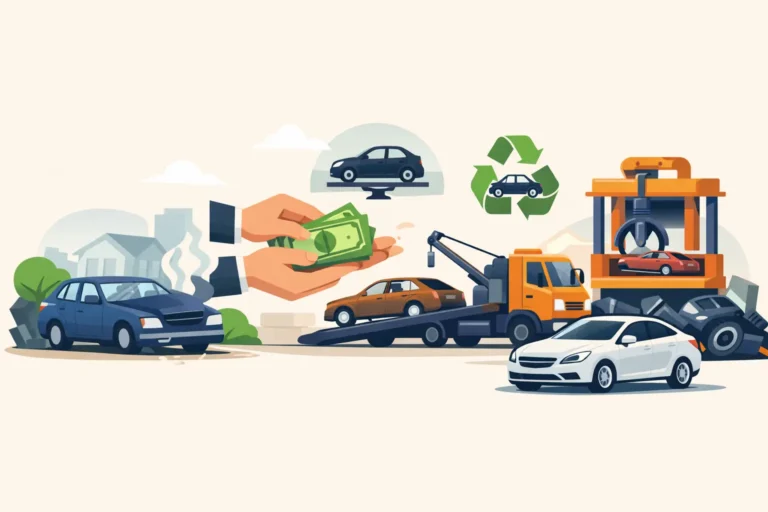
A dead car in the driveway is not just taking up space. It may be leaking fluids, costing you registration or storage money, and becoming one more job you keep putting off. The best ways to dispose of old vehicles depend on whether the vehicle still runs, what it is worth, and how quickly you need it gone.
For some owners, a private sale brings the highest return. For others, spending weeks answering messages about a non-running car is not worth the hassle. If your vehicle is damaged, deregistered, wrecked, or simply too expensive to repair, a professional vehicle buyer or auto wrecker can usually be the faster option.
Best ways to dispose of old vehicles
There is no single answer for every car, truck, van, SUV, bus, or piece of machinery. Start by being realistic about its condition. A tidy, running vehicle with a current inspection and a clear title has different options from a collision-damaged vehicle that has not started in two years.
Sell it privately if it is roadworthy
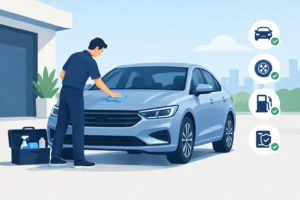
Private selling can make sense when the vehicle is safe, reliable, and has enough resale value to attract everyday buyers. Clean it properly, take clear photos, gather service records, and price it based on its actual condition rather than what you originally paid.
The trade-off is time. You will need to respond to inquiries, arrange inspections, negotiate, and handle no-shows. You may also need to spend money on minor repairs, detailing, or registration before buyers take it seriously. Be honest about faults from the start. A straightforward listing protects you from wasted appointments and difficult conversations later.
Trade it in when replacing your vehicle
A dealership trade-in is convenient if you are already buying another vehicle. The dealer handles much of the paperwork, and the old vehicle leaves when you pick up the replacement. That can be a practical choice for a newer, running car with reasonable market value.
However, trade-in offers are often lower than a strong private-sale price because the dealer must allow for reconditioning, resale risk, and margin. If the vehicle is old, damaged, or not running, some dealerships may decline it altogether. Ask for the trade-in figure separately so you can compare it with other disposal options.
Donate a vehicle that still has useful life
Donating can be worthwhile if the vehicle runs, is safe to use, and you care more about helping an organization than maximizing cash. Some charities accept vehicles directly, while others work through collection partners.
Before handing it over, confirm who is receiving it, whether towing is included, and what paperwork you need. Donation is not always the best fit for a vehicle that is badly damaged or at the end of its usable life. In that case, recycling its materials and parts is often the more practical outcome.
Sell it to a cash-for-cars buyer or auto wrecker
For many unwanted vehicles, this is the quickest route. Cash-for-cars businesses and wreckers buy vehicles in a wide range of conditions, including broken-down cars, accident-damaged utes, scrap vans, dead 4WDs, deregistered vehicles, and commercial equipment.
Instead of paying for a tow or trying to find a buyer who can transport a non-runner, you provide the vehicle details, receive a quote, arrange collection, and get paid when the vehicle is picked up. Quick Cash For Cars follows this simple approach for owners who want free removal and payment without repairing or advertising their old vehicle first.
The amount offered will depend on the make, model, year, condition, location, demand for usable parts, and current scrap-metal values. A complete vehicle with a good engine, transmission, panels, wheels, or high-demand components may be worth more than a stripped shell. Giving accurate details helps you receive a fairer quote and avoids surprises at pickup.
Recycle a true end-of-life vehicle
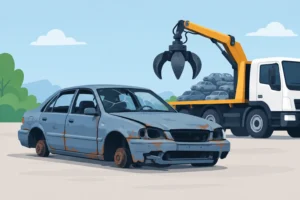
Recycling is the right answer when repair costs far outweigh the vehicle’s value and there is little chance of a sensible resale. A responsible dismantler can recover reusable parts, drain and manage fluids properly, separate metals, and send materials into recycling streams.
This matters more than many owners realize. Cars contain steel, aluminum, copper, glass, plastics, batteries, tires, oils, and coolant. Leaving an old vehicle to deteriorate in a yard does not make those materials disappear. Proper dismantling keeps useful parts in circulation and reduces waste.
Do not assume that recycling means getting nothing. Even a non-running, rusted, or badly damaged vehicle can have value in parts and metal. Request a quote before accepting the first offer, especially if the vehicle is complete.
How to choose the right disposal option
Ask yourself three practical questions: Does it run safely? Is the repair bill reasonable compared with its value? Do you need cash and removal today, or can you wait for a private buyer?
If it runs well and is presentable, private sale or trade-in may be worth considering. If it has a major mechanical fault but remains repairable, a mechanic, enthusiast, or used-car buyer may still be interested. If it is wrecked, dead, unregistered, missing key parts, or blocking your driveway, a vehicle buyer that includes towing is usually the simplest choice.
Commercial owners should also consider downtime and storage. An old work van, truck, bus, or machine sitting unused can tie up valuable space and create a safety issue. A fast collection arrangement may be more valuable than squeezing out the last possible dollar through a long sale process.
What to do before your old vehicle is collected
A few minutes of preparation can prevent headaches later. Remove all personal belongings from the glove box, center console, trunk, door pockets, under seats, and any toolboxes. Check for garage remotes, documents, sunglasses, toll tags, work equipment, and spare keys.
Keep the title or ownership paperwork ready if your local rules require it. If you cannot find it, ask the buyer what alternatives are accepted before booking collection. You should also remove plates when required in your area and cancel registration or insurance after the ownership transfer is complete. Requirements vary, so do not guess.
Tell the buyer about major issues upfront. Mention whether the vehicle starts, rolls, has keys, has a flat tire, is missing wheels, or is located in a tight driveway, parking garage, rural property, or repair shop. A professional collection team can plan the right tow truck when it has the facts.
Finally, make sure you understand the offer. Ask whether towing is free, whether payment is made at collection, whether there are any deductions, and what happens if the condition matches the description you provided. Clear answers are a good sign that you are dealing with a dependable service.
Avoid these costly disposal mistakes
Do not pay a random tow company before checking whether a vehicle buyer offers removal at no cost. Towing a non-running vehicle can quickly cut into its value. Also, avoid handing over a car without confirming the buyer’s identity and completing the needed transfer paperwork.
Be cautious with buyers who give a high price over the phone but arrive looking for reasons to reduce it. Honest condition details protect both sides, but vague fees and last-minute pressure are not acceptable. Choose a service that explains the process plainly and confirms whether collection and payment are included.
It is also a bad idea to strip valuable parts unless you know what you are doing. Removing batteries, catalytic converters, wheels, or engines can reduce the buyer’s offer, create environmental risks, and leave you with parts that are difficult to sell or dispose of legally.
An unwanted vehicle does not need to become a long-term problem. If it is still a good car, sell or trade it on your terms. If it has reached the end of the road, get a clear quote, arrange collection, and turn that wasted driveway space into something useful again.