A dead car in the driveway is more than an eyesore. It can take up valuable space, leak fluids, attract complaints, and become one more job you keep putting off. Auto dismantling gives that vehicle a practical next step: usable parts can be recovered, hazardous materials can be handled properly, and the remaining metal can be recycled.
Whether you have an accident-damaged sedan, a deregistered SUV, a failed work van, or a truck that costs more to fix than it is worth, dismantling may be the smarter option than attempting a private sale. The key is knowing what happens to the vehicle, what affects its value, and how to prepare it for pickup.
What Is Auto Dismantling?
Auto dismantling is the process of taking an end-of-life, unwanted, or uneconomical-to-repair vehicle apart so its reusable components and recyclable materials can be recovered. It is not the same as simply crushing a car. A vehicle may contain hundreds of parts that still have value, from engines and transmissions to mirrors, alternators, seats, wheels, doors, and electronic modules.
A professional dismantler first assesses the vehicle. If components are in good working order, they may be cleaned, tested, stored, and sold as recycled auto parts. Materials that cannot be reused are separated for recycling. Steel, aluminum, copper, plastics, glass, and rubber can all be handled differently depending on their condition and local recycling options.
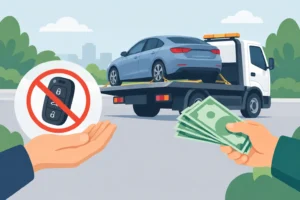
For owners, the main benefit is simple: you can get an unwanted vehicle removed without paying for towing or trying to find a buyer who wants a non-running car.
When Dismantling Makes More Sense Than Repairing
Not every older vehicle should be dismantled. If it is safe, reliable, and only needs a reasonably priced repair, selling it privately or repairing it may bring a better return. The decision changes when the repair bill starts approaching or exceeding the vehicle’s realistic market value.
Dismantling is often a good fit when a vehicle has major engine trouble, transmission failure, severe collision damage, flood damage, electrical faults, rust damage, or expired registration. It can also make sense for a vehicle that has been sitting for months or years and no longer starts.
Commercial owners face a similar decision with utes, vans, buses, trucks, and machinery. An older fleet vehicle that is no longer dependable can cost money even while parked. It may occupy yard space, delay replacement plans, and create disposal problems if it cannot be driven away. Selling it to a vehicle buyer that arranges pickup can be a faster, cleaner way to move on.
The condition of the vehicle still matters. A complete car with sought-after parts can be worth more than a stripped shell. However, many buyers also purchase vehicles that are incomplete, wrecked, or beyond repair. Be honest about its condition when requesting a quote. Accurate details lead to a more accurate offer and fewer surprises at collection.
What Happens During the Dismantling Process?
The process begins before the tow truck arrives. A vehicle buyer or dismantler will usually ask for the make, model, year, location, overall condition, and whether it runs. They may also ask about accident damage, missing parts, registration status, and title or ownership paperwork. These details help determine whether the vehicle has resale value as a whole, value as parts, or mainly scrap-metal value.
Once a price is agreed, pickup is arranged. For a non-running vehicle, free towing is a major advantage because transporting it yourself can be expensive and difficult. A professional operator brings the right equipment to load the vehicle safely from a driveway, roadside, workshop, yard, or parking area.
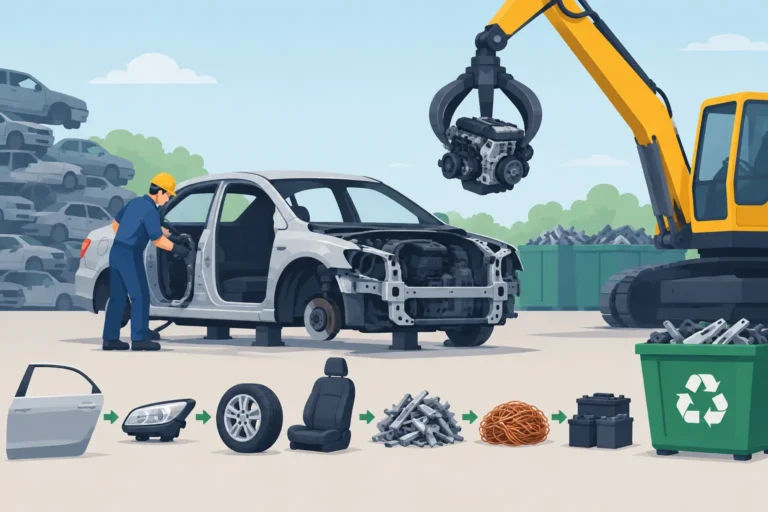
At the dismantling facility, the vehicle is inspected and prepared. Fluids such as fuel, oil, coolant, brake fluid, and refrigerant must be managed carefully. Batteries, tires, airbags, and other components may be removed separately. This is not just housekeeping. Proper handling reduces the risk of leaks, fire hazards, and unsafe disposal.
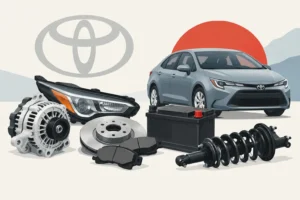
Next, reusable components are recovered. Depending on the vehicle’s condition, this can include the engine, transmission, suspension parts, lights, body panels, wheels, interior trim, audio equipment, and smaller electrical parts. Popular models can be especially useful for recycled parts because other owners and repair shops need affordable replacements.
After recoverable parts have been removed, the remaining shell is processed for metal recycling. The exact method varies by facility and vehicle type, but the goal is to keep usable material in circulation instead of sending the entire vehicle to landfill.
What Determines How Much an Old Vehicle Is Worth?
There is no single price for every unwanted car. Two vehicles of the same age can have very different values. One may have a clean body, usable engine, and in-demand parts. The other may have fire damage, major rust, missing components, or an inaccessible location.
The biggest factors usually include the vehicle’s make, model, year, condition, completeness, weight, and demand for its parts. A Toyota, Ford, Honda, Nissan, Mazda, BMW, Mitsubishi, Subaru, Suzuki, Holden, or other common make may have strong parts demand, but that does not automatically guarantee a high offer. A late-model vehicle with good components often has more recoverable value than an older vehicle that has been heavily damaged.
Location matters too. Easy access makes collection simpler. A car parked on a flat driveway is generally easier to load than one stuck in a tight backyard, deep mud, a garage with no clearance, or a remote area. Tell the buyer about access issues upfront so the right towing equipment can be sent.
Do not assume a vehicle has no value because it does not start. Non-running cars can still have valuable parts and recyclable metal. At the same time, avoid expecting private-sale prices for a vehicle with serious mechanical or structural problems. A fair quote should reflect the real condition, the recovery work involved, and the cost of collection.
How to Prepare Your Vehicle for Pickup
Preparing an unwanted vehicle does not need to become a weekend project. A few basic steps can protect your belongings and make collection smoother.
First, remove personal items. Check the glove box, center console, trunk, under the seats, door pockets, and any storage compartments. Look for registration papers, tools, garage remotes, sunglasses, paperwork, and old devices. If you have a personalized license plate or equipment you intend to keep, raise that before the vehicle is collected.
Second, gather proof of ownership if it is available. Rules differ by state and situation, especially for lost titles, deregistered vehicles, or estate vehicles. A reputable buyer can explain what information is needed, but it is best to ask before pickup day rather than after the truck arrives.
Third, do not remove valuable parts unless you have already discussed it. Taking the catalytic converter, wheels, battery, engine, or other major components can change the quote. If the buyer has offered based on a complete vehicle, missing parts may affect the final amount.
Finally, make the vehicle accessible. Move other cars if needed, unlock gates, let the towing team know about low wires or narrow entries, and ensure someone authorized to release the vehicle is available. Small preparations can prevent delays and help you get paid without extra back-and-forth.
Why Recycled Auto Parts Matter
Auto dismantling is not only about getting an old car off your property. It also helps keep serviceable components in use. For a repair shop, a DIY owner, or someone trying to keep an older vehicle on the road, a recycled part can be a practical alternative to a costly new replacement.
There are trade-offs. Used parts may show cosmetic wear, and availability depends entirely on what has been recovered. Some safety-critical items may not be the right choice to buy used, while body panels, wheels, mirrors, engines, transmissions, and many interior components can be worthwhile options when properly inspected. It depends on the part, the vehicle, the repair, and the buyer’s budget.
For vehicle owners looking to sell, this reuse is one reason a dismantler may be interested in a car that looks like a write-off. The vehicle may be finished as transportation, but it can still support repairs on other vehicles.
Get the Unwanted Vehicle Moving
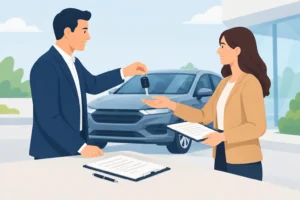
The best vehicle-removal experience is straightforward: provide the details, receive a clear quote, set a pickup time, hand over the vehicle, and get paid as agreed. Quick Cash For Cars works with unwanted vehicles in all conditions, including damaged, dead, scrap, deregistered, and end-of-life vehicles, while arranging removal so owners do not have to solve the towing problem themselves.
If your old vehicle has been taking up space for too long, do not wait for it to become a bigger hassle. Gather the basic details, be clear about its condition, and arrange a pickup that puts your driveway, yard, or workshop space back to work.