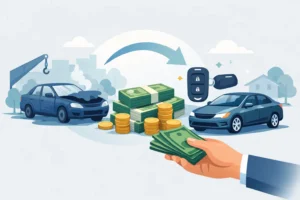

A deregistered vehicle can turn into a driveway problem fast. It will not be legal to drive, repairs may cost more than the vehicle is worth, and moving a non-running car can mean paying for a tow. If you are looking for how to scrap a deregistered vehicle, the simplest answer is to sell it to a licensed vehicle buyer or auto recycler that collects it, pays you, and processes the vehicle responsibly.
You do not need a running engine, current registration, or a showroom-ready body to turn an unwanted vehicle into cash. What matters is proving you have the right to dispose of it, sharing accurate vehicle details, and choosing a buyer that is clear about pickup and payment.
What Does Deregistered Mean When Scrapping a Vehicle?
A deregistered vehicle is one that is no longer active in the registration system. Depending on where you live, this may happen because registration expired for too long, the owner canceled it, the vehicle was declared a total loss, or it failed an inspection and was taken off the road.
That does not automatically mean the vehicle has no value. A deregistered car, truck, van, SUV, or work vehicle can still contain valuable metal, reusable parts, batteries, wheels, catalytic converters, engines, transmissions, and electronics. The final offer depends on the vehicle’s make, model, age, condition, weight, demand for parts, and current scrap-metal prices.
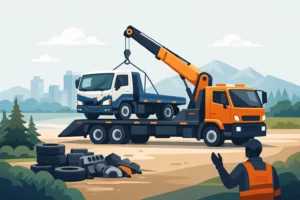
The key difference is that you should not assume you can simply drive it to a scrapyard. If it is deregistered, uninsured, unsafe, or not roadworthy, arrange professional pickup instead. Free removal saves you from organizing a trailer, borrowing a tow vehicle, or risking a fine by driving a vehicle that is not legally permitted on the road.
How to Scrap a Deregistered Vehicle Without the Hassle
The process should be straightforward. A reputable buyer will ask a few practical questions, make an offer based on the details you provide, collect the vehicle, and pay you at pickup.
1. Gather the vehicle details
Start with the basics: the year, make, model, trim, location, and overall condition. Be honest about major issues such as accident damage, a missing engine, flood damage, a seized motor, flat tires, or missing wheels. Tell the buyer whether you have keys, the title or ownership documents, and any registration paperwork.
Photos can help if the vehicle has significant damage, but they are not always required for an initial quote. Clear information helps the buyer give you a more accurate price and send the right tow truck or equipment. This matters even more for heavy vehicles, commercial vans, buses, machinery, or vehicles blocked in a garage or backyard.
2. Check the paperwork before pickup
Paperwork requirements vary by state and by the buyer’s licensing rules. In many places, the title is the main document needed to prove ownership. If you do not have the title, do not guess or try to sell the vehicle using someone else’s documents. Contact your local motor vehicle agency to ask about a replacement title, ownership record, or the process for scrapping an older vehicle without a title.
You may also need to remove the license plates, cancel insurance, and notify the registration authority that the vehicle has been sold or dismantled. Keep copies of any receipt, bill of sale, release of liability, or disposal certificate you receive. These records help show that you no longer own the vehicle and are not responsible for future tickets, towing charges, or other problems tied to it.
If the vehicle belongs to a business, estate, finance company, or another family member, make sure the person signing the paperwork has authority to sell it. A good buyer will explain what documents are required before dispatching a driver.
3. Get a quote that includes removal
A scrap quote should be based on the vehicle itself, not a vague promise that changes when the tow truck arrives. Ask whether pickup is free, whether there are charges for non-running vehicles, and whether the quoted amount is what you will receive at collection.
Be cautious with offers that sound unusually high but come with unclear conditions. Some operators advertise a big number, then reduce it for towing, access, missing parts, or paperwork once they are on site. A fair transaction is transparent: you provide accurate details, the buyer confirms the offer and pickup arrangement, and you know what to expect before agreeing.
Quick Cash For Cars follows the practical approach most owners want: provide the vehicle details and location, receive a quote, arrange collection, and get paid when the vehicle is picked up. For a deregistered vehicle that cannot be driven, that is usually far easier than trying to sell privately.
4. Remove your personal belongings and plates
Before the driver arrives, check every storage area. Look under seats, in the glove compartment, trunk, center console, door pockets, sun visor, and any toolboxes or cargo areas. Remove documents containing personal information, garage remotes, toll tags, parking permits, spare keys, and any items you want to keep.
If your local rules require plate removal, take the plates off before the vehicle is loaded. Do not remove components that were included in the quote unless you tell the buyer first. Taking the catalytic converter, battery, wheels, or engine after receiving a quote can significantly change the vehicle’s value.
5. Be present for collection and payment
Make sure the vehicle is accessible. If it is behind a locked gate, blocked by another vehicle, stuck in mud, or parked in a tight space, mention that when booking pickup. The collection team may need a flatbed, winch, forklift, or another setup for safe removal.
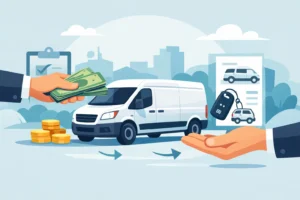
At pickup, confirm the agreed price, sign the required paperwork, and collect your payment or proof of sale. A professional operator should not pressure you into signing blank forms or leaving without a receipt. Once the paperwork is complete, the vehicle is loaded and the space is yours again.
Can You Scrap a Deregistered Vehicle With No Keys?
Usually, yes. Missing keys do not make a vehicle worthless. The buyer may need to use a winch or dollies to load it, so tell them ahead of time. You will still need acceptable proof that you own the vehicle.
The same applies to vehicles that have been sitting for years, have dead batteries, do not start, have flat tires, or are missing registration. These are common situations in vehicle recycling. The real issue is safe access and legal ownership, not whether the engine starts.
Is Scrapping Better Than Repairing or Selling Privately?
It depends on the numbers. If the repair is minor and the vehicle has a strong resale value, fixing it may make sense. If it is deregistered because of serious damage, repeated mechanical failures, rust, a blown engine, or major transmission trouble, repairs can quickly exceed what the vehicle is worth.
Private selling can also be difficult with a deregistered vehicle. Buyers may want test drives, inspections, and a steep discount. You may spend weeks answering messages only to find that most people are looking for a cheap parts car. Scrapping is often the better choice when your priority is clearing the vehicle quickly, avoiding repair bills, and getting a known cash amount without transporting it yourself.
What Happens After a Deregistered Vehicle Is Scrapped?
A responsible auto recycler does more than crush the vehicle. Fluids, batteries, tires, and hazardous materials are handled separately. Usable parts may be removed and sold again, giving other vehicle owners a lower-cost repair option. The remaining metal is processed for recycling.
That makes scrapping a practical choice when a vehicle has reached the end of its road life. You clear valuable space, recover some cash, and help keep reusable materials and parts in circulation instead of leaving an old vehicle to deteriorate on your property.
If your deregistered vehicle is taking up room and costing you nothing but frustration, have your ownership documents ready, request a clear quote, and arrange pickup with a buyer that can remove it safely. The right next step is not another repair estimate – it is getting the vehicle gone on terms that work for you.