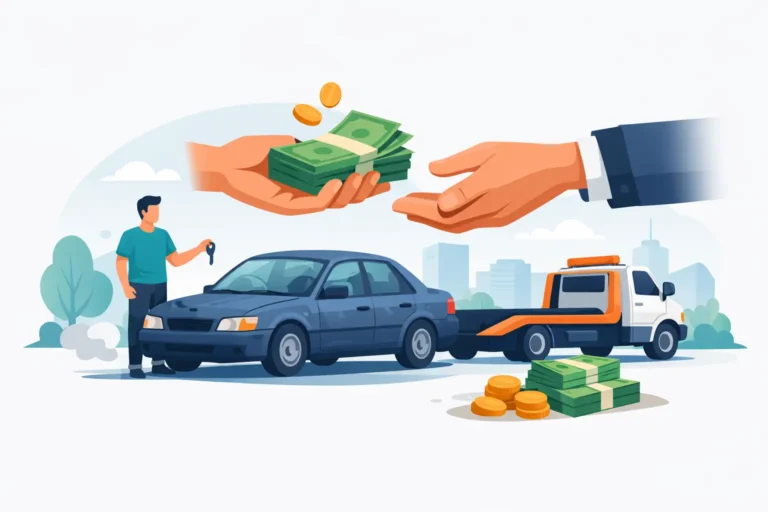
A broken car in the driveway can become an expensive inconvenience fast. It takes up space, may not be safe to drive, and can cost more to repair than it is worth. If you need to sell unwanted car for cash, you do not need to spend weeks creating listings, meeting strangers, or arranging a tow to a buyer.
For many owners across Auckland, Waikato, and Bay of Plenty, the practical option is a quick quote, free collection, and payment when the vehicle is picked up. Whether your car is running, damaged, deregistered, or completely dead, its condition does not have to stop you from turning it into money today.
When to Sell an Unwanted Car for Cash
The right time to sell is usually when repair costs no longer make financial sense. A failed engine, blown transmission, serious rust, accident damage, or repeated mechanical problems can turn an ordinary vehicle into a money drain. If the next repair bill is more than the vehicle’s realistic resale value, selling it as-is may be the better call.
This is also a sensible option when a vehicle has been sitting unused for months. Registration, insurance, storage, and future repairs can add up even when the car is not moving. A non-running car parked in a garage, backyard, workshop, or commercial yard still has value in usable parts and recyclable metal.
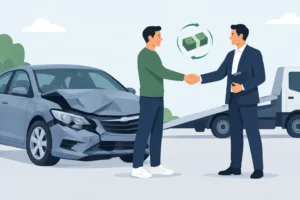
You do not need a perfect vehicle to get an offer. Cash buyers and auto wreckers purchase cars, vans, utes, 4WDs, trucks, buses, and machinery in a wide range of conditions. That includes accident-damaged vehicles, old fleet vehicles, flood-affected cars, failed WOF vehicles, and end-of-life vehicles that are not worth putting back on the road.
What Affects the Cash Offer for Your Vehicle
Every vehicle is assessed individually. The amount offered depends on more than whether it starts. Make, model, age, overall condition, demand for parts, weight, location, and current scrap-metal values can all affect the price.
A late-model vehicle with a damaged body may still have valuable components, such as an engine, gearbox, doors, lights, wheels, interior pieces, or electronics. Popular makes including Toyota, Mazda, Mitsubishi, Nissan, Honda, Ford, Subaru, Suzuki, BMW, and Holden can also be valuable because there is steady demand for affordable recycled parts.
On the other hand, a vehicle with major fire damage, missing parts, or severe corrosion may be valued mainly for metal recovery. That does not mean it is worthless. It simply means the offer will reflect what can realistically be reused or recycled.
Be clear when describing the vehicle. Let the buyer know the make, model, year, location, registration status, whether it runs, and what damage it has. Honest details make it easier to receive an accurate quote and avoid surprises at collection.
How to Sell Your Unwanted Car for Cash Without the Hassle
A fast vehicle sale should not require a complicated process. The goal is to get a clear offer, arrange collection at a time that works for you, and receive payment when the vehicle is removed.
1. Request a Quote
Start by providing the basic details of your vehicle. Include its make, model, year, condition, and your pickup location. If it has issues such as accident damage, a seized engine, missing keys, or deregistration, say so upfront. Photos can help in some cases, but a straightforward description is often enough to begin.
A proper quote should be easy to understand. Ask whether vehicle removal is included and whether there are any towing, administration, or collection fees. A reputable service will explain the offer clearly rather than adding charges after you have agreed to the pickup.
2. Choose a Collection Time
Once you accept the offer, arrange a pickup time that suits you. Same-day collection may be available depending on your location and booking time. This is especially useful when a damaged vehicle is blocking access, taking up a parking space, or sitting at a business premises.
You should not have to make a non-running vehicle roadworthy just to sell it. Free towing means the collection team handles the loading and transport, saving you the cost and effort of finding a tow truck yourself.
3. Get Paid at Pickup
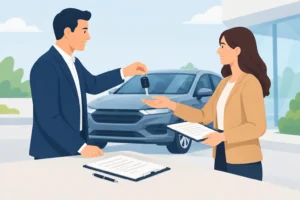
At collection, the vehicle is checked against the details provided and the agreed payment is made on the spot. Have proof of ownership and any available vehicle paperwork ready. If you have keys, service records, or spare parts that belong with the vehicle, set them aside before the driver arrives.
Then the vehicle is loaded and removed from your property. No listing fees, no test-drive appointments, no waiting for an online buyer to show up, and no need to negotiate with people who only want to pay a fraction of the asking price.
Why Private Selling Is Not Always Worth It
Private sale can bring a higher price for a tidy, running, roadworthy vehicle with a current WOF and registration. If your car is in good shape and you have time to advertise it, answer messages, and wait for the right buyer, that route may be worthwhile.
But it is different when the vehicle is damaged or cannot be driven. Private buyers often expect a large discount, and many will want to inspect the car before making an offer. Some may not have transport or funds ready. You may still need to pay for towing, repairs, cleaning, advertising, or storage while you wait.
Selling to a vehicle buyer is usually about certainty and speed rather than chasing the highest possible retail price. You know where the vehicle is going, when it will be collected, and what you will be paid. For an unwanted or dead car, that convenience can be worth far more than another month of waiting.
Vehicles That Can Be Collected
An unwanted vehicle is not limited to an old family car. Quick Cash For Cars buys vehicles in most conditions, including cars, station wagons, vans, utes, SUVs, 4WDs, trucks, buses, and selected heavy machinery. Commercial owners can also arrange removal of unwanted work vehicles, damaged fleet units, and vehicles that have reached the end of their useful life.
Even if the vehicle is not registered, has no WOF, has been off the road for years, or cannot be started, it may still be accepted. The key is to provide accurate information when requesting your quote. A buyer that handles towing and dismantling is equipped for vehicles that ordinary private buyers may avoid.
What Happens After Your Vehicle Is Removed
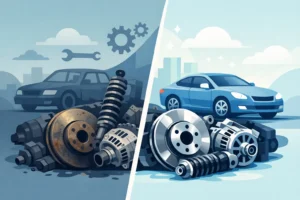
Many unwanted vehicles have useful life left in them, just not as complete road vehicles. After collection, suitable vehicles are dismantled so reusable components can be inspected and supplied as recycled auto parts. Engines, transmissions, panels, wheels, mirrors, lights, seats, and other parts can help keep another vehicle on the road at a lower cost.
The remaining metal and materials can be processed for recycling. This is a practical alternative to leaving a car to deteriorate on your property or paying to have it disposed of without receiving anything in return.
Common Questions Before Selling
Do I have to pay for towing?
No. Free vehicle removal means the collection cost is included. Confirm this when you receive your quote so you know exactly what to expect.
Can I sell a car that does not run?
Yes. Non-running, broken-down, accident-damaged, and scrap vehicles can still be collected. The vehicle does not need to be drivable for pickup to be arranged.
How quickly can my vehicle be removed?
Same-day pickup may be possible, depending on the time of your request, vehicle location, and collector availability. If you need the vehicle gone urgently, mention that when you ask for a quote.
What should I remove before collection?
Take out personal belongings, documents, toll tags, parking passes, and any items you want to keep. Check the glove box, boot, center console, door pockets, and under the seats before the vehicle is loaded.
A vehicle that is no longer useful to you does not need to become a long-term problem. Get the details ready, ask for a clear quote, and choose a pickup time that gets your space back and puts cash in your hand.