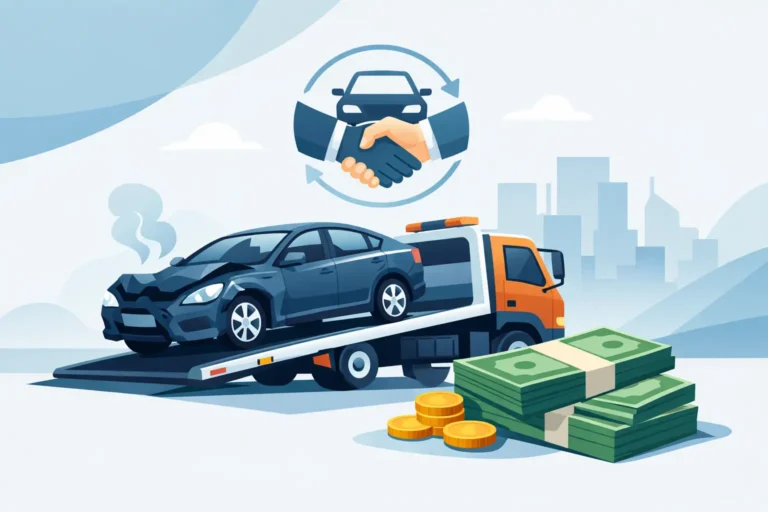
A crashed car can become a problem fast. It may not start, it may be unsafe to drive, and it can sit in your driveway while repair estimates keep climbing. Getting cash for accident damaged cars gives you a practical way to move it on without paying for towing, advertising it for weeks, or trying to repair a vehicle that no longer makes financial sense.
Whether your car has panel damage, a blown airbag, a bent frame, flood damage, or mechanical problems after a collision, it may still have value. A professional vehicle buyer can assess it as a complete vehicle, for usable parts, or for recyclable materials. The key is knowing what affects the offer and choosing a buyer that can collect the vehicle without adding more cost to your situation.
When selling an accident-damaged car makes sense
Repairing a damaged vehicle is not always the best move. A relatively minor crash can lead to expensive work once labor, parts, paint, wheel alignment, safety systems, and hidden damage are added up. If the repair cost is close to or higher than the vehicle’s market value, selling it as-is is often the simpler choice.
This is especially true when the car is no longer drivable, has been written off, has expired registration, or needs repairs beyond the accident damage. You may also prefer a quick sale if you have already replaced the vehicle and do not want the old one taking up space.
A cash buyer can purchase cars in many conditions, including damaged sedans, SUVs, vans, utes, 4WDs, trucks, buses, and commercial vehicles. You do not need to make the car look perfect or spend money getting it road-ready before asking for a quote.
What determines cash for accident damaged cars?
Accident damage matters, but it is only one part of the valuation. The best way to get a realistic offer is to give accurate details from the start. Tell the buyer the make, model, year, location, and general condition, then explain what happened and whether the vehicle starts or rolls.
Vehicle make, model, and demand for parts
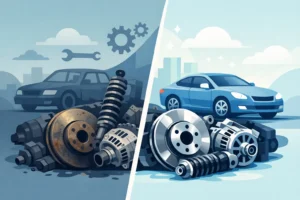
Popular makes can retain value even after a major accident because their engines, transmissions, doors, lights, wheels, interiors, and other components may still be useful. Toyota, Mazda, Mitsubishi, Nissan, Honda, Ford, Holden, Subaru, Suzuki, BMW, and other common vehicles can have strong parts demand depending on the model and condition.
A vehicle that cannot be repaired economically may still be valuable to a wrecker if it has usable components. This is why a non-running car is not automatically a worthless car.
The type and extent of damage
Light cosmetic damage is different from structural damage. A dented door, cracked bumper, or broken headlight may leave much of the vehicle intact. Heavy front-end or rear-end damage may affect the engine, cooling system, suspension, airbags, or chassis.
Be upfront about the damage. Clear information helps the buyer give a fairer quote and avoids surprises at pickup. If you have photos, they can help show the condition quickly, but a description over the phone is often enough to get the process started.
Whether it starts, drives, or can be moved
A running vehicle may be worth more than one with a seized engine or major mechanical issues. Still, you do not need a running car to sell it. Professional buyers arrange towing for vehicles that cannot be driven, including cars with flat tires, missing keys, damaged suspension, or crash damage that makes them unsafe on the road.
Weight and recyclable material value
When a car has little resale or parts value, metal recovery still gives it a base value. Larger vehicles such as vans, trucks, 4WDs, buses, and heavy machinery can contain more recoverable material and components. Market conditions can affect scrap values, so offers can vary over time.
Avoid spending money before you sell
It is easy to throw money at an accident-damaged vehicle because you hope a small repair will improve the sale price. Sometimes it can. More often, cosmetic work, replacement parts, towing, and mechanical repairs cost more than they add to the final offer.
Before authorizing repairs, get an as-is quote. Compare that number against the cost of putting the vehicle back on the road. If the repair bill is reasonable and the car has a strong resale value, repairing it may be worthwhile. If there is extensive damage, safety concerns, or a long list of existing problems, selling it as-is can save time and money.
You should also avoid paying a separate tow company if your chosen buyer provides free removal. A damaged car is difficult enough to deal with. Collection should not become another bill.
How to sell your damaged vehicle quickly
The process should be straightforward. With Quick Cash For Cars, it starts by sharing the vehicle details and your pickup location. You can provide the make, model, year, damage description, and whether the vehicle is running or accessible for towing.
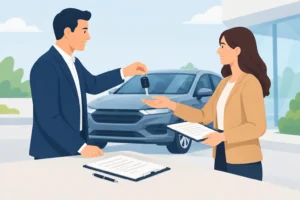
Once you receive an offer you are happy with, arrange a collection time that works for you. Same-day pickup may be available depending on your location and scheduling. The tow team comes to the vehicle, handles the removal, and pays you on the spot once the details are confirmed.
Have your photo ID and proof that you own the vehicle ready. If registration paperwork is available, keep it with you as well. Requirements can differ based on the vehicle’s status and local rules, so ask what documents are needed when you book the pickup.
Questions to ask before accepting an offer
Not every buyer operates the same way. A quote that sounds good at first can lose value if towing charges, paperwork fees, or last-minute deductions appear later. Ask whether removal is free, whether the quoted amount is the amount you will receive, and how payment will be made.
It is also worth confirming that the buyer accepts your exact vehicle condition. Tell them if the car is deregistered, locked, missing keys, parked in a tight space, or unable to roll. These details do not necessarily stop a pickup, but they allow the team to bring the right equipment.
A reliable buyer should be clear about timing, collection, and payment before they arrive. You should not have to chase answers while an unusable vehicle is sitting on your property.
Damaged commercial vehicles can still be worth selling
For businesses, an accident-damaged work vehicle can disrupt more than transport. A disabled van, truck, ute, or piece of machinery can take up valuable yard space and delay operations. Repairing it may be sensible if it is central to your fleet and the damage is limited. But when downtime, repair cost, and replacement plans point the other way, selling it quickly can free up cash and space.
Provide the buyer with the same practical information: vehicle type, condition, damage, location, and access details. Larger vehicles may need specialized collection arrangements, so accurate details help avoid delays.
A better next step than letting it sit
An accident does not have to leave you with a vehicle you cannot use and do not know how to move. Get an honest quote based on its real condition, choose a buyer that includes towing, and make sure payment is clear before collection. The sooner you deal with the damaged vehicle, the sooner you can clear the space, stop worrying about repair costs, and put the cash toward what comes next.