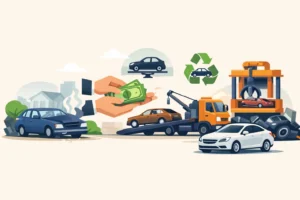

A damaged van can become a costly driveway fixture fast. It may not start, it may have accident damage, or the repair bill may be far more than the van is worth. So, can I sell a damaged van? Yes. You can sell it as-is, even if it is wrecked, deregistered, non-running, or no longer roadworthy.
The best option depends on the van’s condition, its make and model, and how quickly you need it removed. A private buyer may pay more for a van with minor damage and a solid engine. But if it needs major mechanical work, has crash damage, or cannot be driven, selling it to a vehicle buyer or wrecker is usually the faster, simpler choice.
Can I Sell a Damaged Van Without Repairing It?
Yes. You are not required to repair a van before selling it. In many cases, putting money into repairs does not increase the sale price enough to make the work worthwhile.
For example, a van with a failed transmission, blown engine, serious rust, flood damage, or structural accident damage may be expensive to fix. Even if it runs afterward, buyers may still be cautious about its history. If you need cash and space now, selling it in its current condition can make more financial sense.
Be clear about the damage when requesting a quote. Describe whether it starts, drives, has keys, and has major body or mechanical issues. Honest details help the buyer give a fairer estimate and arrive with the right towing equipment.
What Is a Damaged Van Worth?
A damaged van still has value, but the amount varies. Its resale value may be lower than a clean, running example, yet it can still be worth money for usable parts, scrap metal, and recyclable components.
The biggest factors are the van’s year, make, model, mileage, overall condition, and the type of damage. Popular models often have stronger value because their engines, gearboxes, panels, wheels, lights, interiors, and electronics are in demand. A late-model commercial van with front-end damage may have many reusable parts. An older van that no longer runs can still have value based on its weight and recoverable materials.
Damage location matters too. Cosmetic dents and scratches usually have less impact than a bent frame, major fire damage, or severe flood damage. A van with a flat battery may be an easy fix, while a van with a seized engine is a different proposition.
Do not assume a damaged van is only worth scrap. Get a quote based on the actual vehicle before making that call.
Your Options for Selling a Damaged Van
If your van is still safe to drive and only needs minor work, a private sale may be worth considering. This route can take time, though. You will need to advertise it, answer messages, arrange inspections, negotiate, and make sure the buyer understands the damage.
Trading it in is another option, but dealerships commonly offer less for damaged vehicles because they take on the cost and risk of repairs. They may also refuse vans with serious mechanical issues or accident damage.
For non-running, wrecked, old, or unwanted vans, selling directly to a cash-for-vehicles service is often more practical. You avoid paying for repairs, arranging transport, or trying to find a buyer willing to collect it. A professional buyer can assess the van as-is, organize pickup, and pay when it is collected.
Quick Cash For Cars buys vans in all conditions and provides free vehicle removal, so you do not have to tow an undriveable van yourself.
Have These Details Ready for a Faster Quote
You do not need to know everything about the van to sell it, but a few basic details make the process quicker. Have the make, model, year, and approximate mileage ready. It also helps to explain what happened to the vehicle and whether it runs or moves.
Mention the condition of major parts, such as the engine, transmission, tires, doors, windows, and interior. Let the buyer know if the van has been in a collision, has water damage, is missing parts, or has been sitting for a long time. If it is a work van, include any useful features such as shelving, a cargo barrier, roof racks, or a service body.
You should also have proof that you own the van and the documents required to transfer it. Requirements differ by location and vehicle status, particularly if it is deregistered or has been declared a total loss. If paperwork is missing, say so upfront rather than waiting until collection day.
How to Sell a Damaged Van in 3 Simple Steps
Selling an unwanted van does not need to involve weeks of repairs and listings. The process is straightforward when you choose a buyer that accepts damaged vehicles.
1. Request a Quote
Share the van’s basic details, condition, and pickup location. Include clear photos if you have them, especially of accident damage or missing components. A good quote should be based on real information, not a vague promise that changes later.
2. Accept the Offer and Arrange Pickup
If the offer works for you, choose a collection time. For a van that cannot be driven, confirm that towing is included and ask whether there are any removal charges. Free pickup matters because transport costs can take a significant bite out of what you receive.
3. Get Paid When the Van Is Collected
Before handing over the vehicle, remove personal belongings, work equipment, paperwork, toll tags, and anything stored under the seats or in cargo compartments. Complete the ownership transfer as required, hand over the keys if available, and receive payment at collection.
Avoid These Common Mistakes
The biggest mistake is spending money on repairs before knowing the van’s as-is value. A new engine, transmission rebuild, or major body repair can cost thousands. Unless you know the repaired van will sell for enough to cover that investment, get a damaged-vehicle quote first.
Another mistake is accepting an offer that does not clearly explain towing. Some buyers advertise a strong price, then subtract collection fees when they arrive. Ask directly whether removal is free and whether the agreed amount is the amount you will be paid.
Finally, do not leave the van sitting because you think nobody will want it. A damaged van takes up room, can become harder to move as tires deflate and parts deteriorate, and may create a headache with neighbors, landlords, or business premises. Selling it sooner gives you space back and puts money in your hands.
When Selling As-Is Makes the Most Sense
Selling as-is is usually the right move when the van is unsafe to drive, the repair estimate exceeds its likely resale value, or you need it gone quickly. It is also a sensible option for fleet owners clearing old work vehicles, mechanics with non-repairable customer vehicles, and households with an unused van taking up space.
You may choose to repair it first if the damage is minor, the van is relatively new, and you have a clear idea of its market value after repairs. Otherwise, an as-is sale removes the uncertainty. Share accurate details, confirm free removal and payment terms, and turn that damaged van into cash instead of another job on your list.