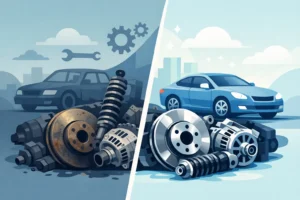
A replacement engine, door, mirror, or transmission does not have to cost more than the vehicle is worth. Recycled auto parts for sale can be a smart answer when you need a working component fast, want to keep repair costs under control, and do not want to settle for a poor-quality aftermarket copy.
The key is buying the right part for the right vehicle. A used part may have plenty of life left, but only if its fitment, condition, and history make sense for your repair. That is why a professional auto wrecker is often a better place to start than a random private listing.
Why recycled parts make practical sense
Vehicles are dismantled because of accidents, age, mechanical failure, or repair costs that no longer add up. That does not mean every component is worn out. A car with rear-end damage may still have a good engine, front suspension, interior, headlights, doors, or electronics. A vehicle with a failed transmission may still have panels, wheels, glass, and dozens of useful mechanical parts.
Buying recycled parts puts those usable components back on the road instead of sending them straight to scrap. For owners, mechanics, and DIY repairers, the immediate benefit is usually cost. Original equipment parts from a dismantled vehicle can often be far more affordable than buying new from a dealership.
There is also a fit advantage. Genuine factory components were made for that make and model. A used Toyota door, Mazda alternator, Ford tailgate, or BMW interior trim piece can be a better match than a universal replacement, provided the part number and vehicle details line up.
That said, used is not always the best choice. Wear items such as brake pads, filters, belts, and some seals are generally better purchased new. Safety-critical parts need extra care too. If there is any doubt about a component’s condition or suitability, ask a qualified mechanic before fitting it.
Recycled auto parts for sale: what you can buy
A well-stocked wrecker can supply much more than engines and transmissions. Many parts are removed, checked, stored, and sold individually after a vehicle comes in for dismantling.
Common recycled parts include engines, gearboxes, differentials, alternators, starter motors, radiators, air-conditioning compressors, suspension components, wheels, tires, doors, bonnets, bumpers, headlights, taillights, mirrors, seats, dashboards, and window glass. You may also find smaller items that are expensive new, such as switches, sensors, control modules, seat belts, window regulators, door handles, grilles, and factory stereo components.
Body parts are particularly popular for accident repairs. If you can find a panel in the same color and in good condition, you may avoid the cost of major bodywork and painting. Color matches are never guaranteed, though. Sun exposure, age, and previous paintwork can make two panels with the same factory color code look different.
For mechanical repairs, an engine or transmission can make financial sense when the rest of the vehicle is in good shape. But these are not plug-and-play purchases. Confirm the engine code, transmission type, mileage where available, and any required accessories before committing. Some modern vehicles also need coding or programming after replacement modules are installed.
Check fitment before you pay
The fastest way to get the wrong part is to order by make and model alone. A Nissan, Honda, Subaru, or Mitsubishi can have several versions of the same component across one model year. Trim level, engine size, drivetrain, transmission, production date, and optional equipment can all change what fits.
Start with your VIN. It gives a parts supplier a reliable way to identify the vehicle specification. If you cannot provide the VIN, have the year, make, model, engine size, body style, transmission type, and drivetrain ready. For example, saying you need a headlight for a 2017 SUV is not enough. The supplier may need to know whether it is a left- or right-side unit, whether it has LED lights, and whether the vehicle has a specific trim package.
Part numbers are even better when available. Check the number stamped, labeled, or molded onto the failed component. Match it as closely as possible, especially for electronic modules, sensors, engines, transmissions, and airbags. A part can look identical and still be electronically incompatible.
Before finalizing the purchase, ask whether the part includes attached items. An engine may be sold as a long block only, or it may include intake components and accessories. A door may come bare, or it may include glass, a regulator, trim, and a mirror. Clear details prevent extra costs and repair delays.
Know what condition you are buying
A reputable recycled-parts supplier should be able to describe the component honestly. Used parts are not new, so expect normal signs of age. Small scratches on a bumper, minor wear on a seat, or surface marks on an engine component may be acceptable. Cracks, broken mounting points, heavy corrosion, fluid damage, or obvious repairs should be disclosed.
For body panels and interior parts, photos can help you judge cosmetic condition before you collect. For mechanical parts, ask what testing or inspection has been carried out. Some components can be tested before removal, while others can only be visually inspected or assessed after removal. The answer depends on the part and the condition of the donor vehicle.
Ask about any warranty or exchange policy as well. Terms vary by supplier and component. A reasonable warranty does not mean every labor cost is covered, but it gives you a clear process if a supplied part has a fault. Keep your invoice and have the part installed correctly, since poor installation can create problems that look like a defective component.
When recycled parts are the best option
Recycled parts work especially well when you are repairing an older vehicle, fixing cosmetic accident damage, replacing a discontinued component, or keeping a work vehicle running without overspending. They can also be useful when new parts are backordered or unavailable.
They may be less suitable when a new part has a small price difference, when the item is designed to wear out, or when the repair involves critical safety systems. For example, a used door shell may be a sensible purchase. A used airbag, however, needs specialist advice and careful handling. Never assume a safety component is fit to reuse simply because it looks undamaged.
Think about the total repair cost, not just the part price. A cheap component that does not fit can cost more in return shipping, workshop time, and lost use of the vehicle. Paying a little more for a correctly identified, inspected part from a professional dismantler is often the better deal.
How to make your parts search quicker
Have the vehicle information ready before you call or request a quote. Explain exactly what has failed, whether you need the part collected or shipped, and how soon you need it. If a mechanic has diagnosed the issue, ask them for the part number or a written description before you start shopping.
It also helps to be flexible where appropriate. A matching-color panel may be hard to find, while the same panel in another color may be readily available. An equivalent part from a compatible model year may work, but only after fitment is confirmed. Never rely on guesswork where engines, electronics, steering, braking, or safety systems are involved.
Quick Cash For Cars dismantles unwanted vehicles so usable parts can return to the road instead of going to waste. Whether you need a replacement panel for a daily driver or a hard-to-find component for a repair, provide accurate vehicle details first. It is the simplest way to get a part that fits, a price that makes sense, and a repair that does not drag on.