A dead car can sit in a driveway for months because getting rid of it feels harder than it should. If you are searching how to dispose of old car options, the best answer depends on whether it still runs, has a clear title, and is worth repairing. The good news is that even a wrecked, non-running, or deregistered vehicle can usually be sold, recycled, or removed without paying for a tow.
For most owners, the fastest route is a licensed car buyer or auto recycler that collects the vehicle and pays at pickup. But there are a few checks to make first. They protect you from surprise fees, paperwork problems, and leaving a vehicle in someone else’s name.
How to dispose of an old car: start with its real value
Do not assume an old car is only worth scrap metal. A running vehicle with a clean title may bring more money through a private sale or dealer trade-in. A car with a blown engine, accident damage, missing parts, or serious rust may still have value for reusable parts and metal recycling.
Take an honest look at its condition. Note the make, model, year, mileage, VIN, title status, major mechanical faults, accident damage, and whether it starts and moves. A buyer will also want to know if the wheels are on it, whether the keys are available, and where it is parked. Clear details lead to a more accurate quote and fewer delays at collection.
A quick repair is not always the smart move. Spending $1,500 to get an old vehicle running may not increase its sale price by $1,500. If the repair bill is close to, or higher than, the car’s likely value, selling it as-is can be the better financial decision.
Choose the disposal route that fits the car
There is no single best way to get rid of every vehicle. Your decision should come down to time, effort, paperwork, and the money you expect to receive.
Sell it privately if it is safe, running, and presentable
A private sale can bring the highest price when the car is roadworthy, reasonably clean, and likely to appeal to another driver. It also takes the most work. You need to advertise it, answer messages, arrange viewings, negotiate, and make sure payment clears before handing over the keys.
Be direct about known problems. Hiding an engine light, transmission issue, or accident history can create disputes later. Keep a signed bill of sale with the buyer’s name, date, vehicle details, price, and the words “sold as-is” where allowed by your state.
Trade it in when you are buying another vehicle
Trading in is convenient, but it may not produce the strongest offer, especially for damaged or very old vehicles. Dealers tend to focus on cars they can resell quickly. If yours needs major repairs or cannot be driven, compare the trade-in figure with a quote from a cash-for-cars buyer or recycler before deciding.
Donate it if supporting a cause matters more than cash
Donation can be a good choice for a vehicle with usable value, but confirm that the organization accepts its condition and handles pickup. Ask what paperwork you will receive and whether the donation may qualify for a tax deduction. The tax outcome depends on the organization, the vehicle’s value, and current IRS rules, so keep all documents and check the details before you claim anything.
Sell it to a car buyer or auto recycler
This is often the most practical option for cars that do not run, have failed inspections, are damaged in a crash, or are simply no longer worth fixing. A reputable buyer can assess the car as-is, arrange towing, and pay when the vehicle is collected.
This route saves you from trying to transport a non-running car yourself. It can also work for vans, SUVs, trucks, work vehicles, and other unwanted equipment. The offer may be based on the vehicle’s year, condition, parts demand, weight, location, and current scrap-metal prices.
Recycle it when it has reached the end of the road
An end-of-life vehicle should go to a legitimate dismantler, salvage yard, or recycling facility. These businesses can recover usable components, drain hazardous fluids, and recycle metal rather than leaving the vehicle to leak into the ground or take up space.
Never abandon an old car on a street, vacant lot, or rural property. You could face towing bills, fines, and problems if the vehicle remains registered in your name. A cheap-looking informal removal offer can also become expensive if the person dumps the car instead of processing it properly.
Get your paperwork ready before pickup
The title is usually the key document when selling or recycling a car. It proves you have the right to transfer ownership. Check that the VIN on the title matches the vehicle and that any lien has been released.
If you cannot find the title, contact your state’s motor vehicle agency to ask about a duplicate title or the process for disposing of an older vehicle without one. Rules vary by state, and licensed recyclers may have specific requirements for title-exempt or salvage vehicles. Do not sign blank paperwork or leave the buyer section incomplete.
Before the vehicle leaves, remove the license plates if your state requires it. Cancel or transfer your insurance only after the sale or collection is complete. Then submit the required notice of sale, release of liability, or transfer paperwork promptly. That step matters. It helps show the vehicle is no longer yours if it receives tickets, is abandoned, or is involved in an incident later.
Keep copies of the title transfer, bill of sale, receipt, and pickup confirmation. A few minutes of paperwork can prevent a long argument months from now.
Prepare the car without spending money on repairs
You do not need to detail a scrap car, replace worn tires, or repair a bad transmission before disposal. You do need to clear it out. Check the glove box, center console, trunk, under-seat storage, door pockets, and sun visors. Old cars have a habit of holding spare keys, parking passes, documents, garage remotes, and personal information.
Remove your toll tag, parking permit, and any personal plates or decals. If the car has an aftermarket stereo, tool kit, or valuable accessories, decide whether removing them is worth the effort. Taking parts off a vehicle can reduce its quote, so ask before doing it.
If it is safe to do so, gather every key you have. A missing key does not always stop a sale, but it may affect the offer. Tell the buyer if the vehicle is blocked in, has flat tires, is in a garage, or cannot be rolled. A professional towing team can plan for those conditions when they know ahead of time.
Ask the right questions before agreeing to removal
A quote is only useful when you understand what it includes. Confirm whether the offer is the final amount for the condition you described, whether towing is free, and when payment will be made. Ask whether there are charges for a non-running vehicle, difficult access, missing wheels, or distance.
You should also confirm who is collecting the car and whether they are licensed or authorized to buy and dismantle vehicles in your area. A dependable service will explain the process plainly rather than pressuring you to accept a vague offer.
If payment is promised at pickup, agree on the method before the tow truck arrives. Cash, verified electronic payment, or another traceable method is better than an unclear promise to pay later. Do not hand over the title and keys until the agreed payment and paperwork are handled.
A simple three-step way to get it gone
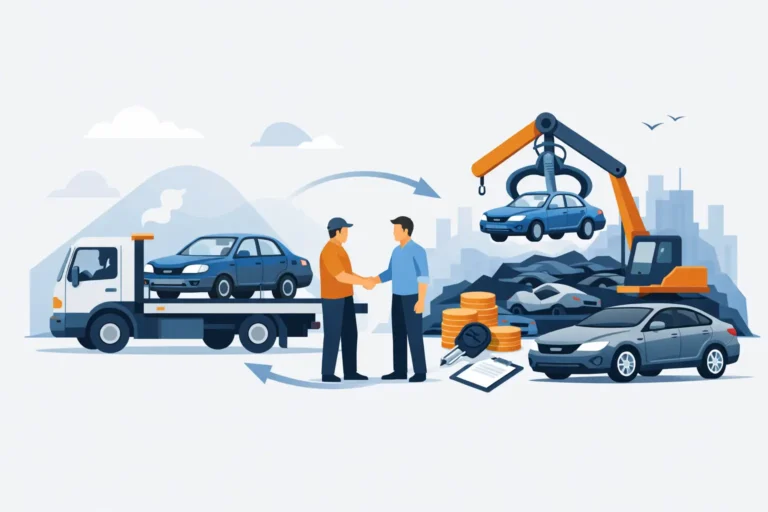
The easiest disposal process is usually straightforward. First, request a quote using the vehicle’s make, model, year, condition, and location. Second, accept a pickup time that works for you and have the title, ID, and keys ready. Third, complete the transfer documents, receive payment, and let the collection team tow it away.
That approach is especially useful when the vehicle is taking up driveway space, has been declared a total loss, or will not start. You avoid paying to move a car just to find out what it is worth.
Do not let an unwanted car become a bigger problem
An old vehicle loses more than curb appeal while it sits. Tires go flat, batteries fail, seals dry out, fluids can leak, and a simple repair can turn into a complete write-off. If you already know you will not fix or drive it, getting a clear quote now is usually better than waiting for it to become harder to move.
Choose a disposal option that gives you proper paperwork, a fair as-is offer, and a clear pickup plan. Once the car is legally transferred and out of your space, you can put the cash and the driveway back to better use.