A gearbox failure can turn a reliable car into a driveway problem fast. New replacement units are expensive, and in some older vehicles, they can cost more than the vehicle is worth. Used gearboxes can be a practical way to get back on the road for less, but only if you buy the correct unit and know what condition it is in.
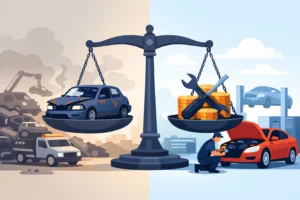
For many owners, the decision comes down to simple numbers. If the vehicle is otherwise sound and the repair makes financial sense, a recycled gearbox may be the right call. If there are major engine, body, electrical, or registration issues too, putting money into another repair may not be the best move.
When a Used Gearbox Makes Sense
A used gearbox is usually worth considering when your vehicle has a known transmission fault but still has good overall value. This is common with well-maintained cars, trucks, vans, SUVs, and work vehicles where the engine is healthy, the body is in decent shape, and the rest of the vehicle can keep serving you for years.
The biggest advantage is cost. A recycled unit is often substantially cheaper than a new gearbox or a full rebuild. It may also be available sooner, especially for common models. That matters when a broken vehicle is holding up work, taking space in the garage, or leaving a family without transport.
However, cheaper does not automatically mean better value. A low-priced gearbox that does not match your vehicle, has unknown damage, or needs immediate work can create another expensive repair bill. The best purchase is one that fits correctly, comes from a reputable dismantler, and has enough information behind it to make an informed choice.
Match the Gearbox Before You Spend
Gearboxes are not one-size-fits-all parts. Two vehicles that look identical can use different transmissions because of engine size, drivetrain layout, model year, trim level, computer programming, or final drive ratio.
Start with your vehicle identification number, registration details, year, make, model, engine size, and whether it is two-wheel drive, four-wheel drive, front-wheel drive, or all-wheel drive. If possible, get the transmission code from the existing gearbox. A mechanic can often locate this quickly, and it is one of the safest ways to avoid ordering the wrong part.
Manual and automatic gearboxes need different checks. With a manual unit, ask about the condition of the gears, bearings, shafts, and casing. With an automatic transmission, the condition of the fluid, torque converter, valve body, sensors, and electrical connectors can all matter. Some modern automatic units may also need programming or relearning once installed.
Do not assume a gearbox from a similar-looking vehicle will work. Confirm the part number or gearbox code before payment. It is much easier to spend a few extra minutes checking compatibility than to pay for removal and installation twice.
Ask Where the Unit Came From
A professional auto recycler should be able to tell you the donor vehicle’s basic details, including make, model, year, engine type, and mileage if known. Mileage is not the only measure of gearbox condition, but it is useful context.
A lower-mileage unit from a collision-damaged vehicle may be a strong option because the drivetrain may have been working properly before the accident. On the other hand, a gearbox removed from a vehicle with serious mechanical issues needs closer scrutiny. Ask whether the vehicle was driven, inspected, or tested before dismantling when that information is available.
You should also ask whether the gearbox is sold as a complete assembly. Some units may not include accessories such as the torque converter, transfer case, sensors, shifter components, or wiring. Knowing exactly what is included prevents surprises once the vehicle is on a hoist.
Check Condition, Not Just Price
Before buying, inspect the gearbox if you can. Look for cracks in the housing, damaged mounts, stripped threads, broken connectors, and signs of heavy impact. A dirty exterior is normal for a recycled part. Major damage, loose components, or burnt-smelling fluid are different concerns.
For automatic gearboxes, transmission fluid can offer clues. Clean fluid is generally a good sign, while fluid that is very dark, smells burnt, or contains visible metal debris may indicate overheating or internal wear. This is not a complete diagnosis, but it is worth asking about.
For manual gearboxes, turn the input shaft where practical and check for roughness or unusual resistance. Excessive play, grinding, or obvious noise can point to worn bearings or internal damage. Again, a visual check is not a guarantee, but it can help you avoid an obviously poor unit.
A warranty or exchange period matters too. Read the terms before you buy. Many recycled parts warranties cover the gearbox itself but not labor, fluids, seals, towing, programming, or damage caused by incorrect installation. That is normal, but you need to know what is and is not covered.
Budget for Installation Properly
The purchase price is only part of the job. Gearbox replacement can involve labor, transmission fluid, filters, seals, clutch parts, mounts, axle seals, transfer case fluid, and software work. If the vehicle has high mileage, it may make sense to replace related wear items while the gearbox is already out.
For a manual vehicle, a new clutch kit, release bearing, and pilot bearing are often worth considering during installation. The labor to access these parts is already being done. Reusing worn clutch components can save money today but may mean paying for much of the same labor again later.
For an automatic vehicle, a good installer may recommend replacing the filter, servicing the cooler lines, and checking the transmission cooler. This is especially important if the original gearbox failed internally. Metal debris left in the cooler or lines can contaminate the replacement unit and cause another failure.
Get a clear quote from your mechanic that separates parts, labor, fluids, and any potential additional work. A cheap gearbox paired with high labor costs may still be worthwhile, but you should know the total before committing.
When Selling the Vehicle May Be Better
Sometimes a replacement gearbox is not the right investment. If the car also has severe rust, accident damage, engine trouble, electrical faults, failed inspections, or a deregistered status, repair costs can quickly outrun its value.
This is especially true for older vehicles with multiple problems. A gearbox may solve one issue, but it will not fix a failing engine, damaged suspension, bald tires, or major body repairs. Be honest about the vehicle’s full condition rather than focusing only on the transmission fault.
If repair no longer makes sense, selling the vehicle as-is can be the cleaner option. Quick Cash For Cars buys unwanted, damaged, non-running, and end-of-life vehicles, with free removal and payment at collection. That can save you from paying towing costs or leaving a broken vehicle sitting at home while you decide what to do next.
Questions to Ask Before Buying Used Gearboxes
Before handing over money, ask the seller for the gearbox code or part number, donor vehicle details, known mileage, what is included, whether it was tested or inspected, and the warranty terms. Also confirm whether the unit is for the exact engine and drivetrain configuration in your vehicle.
Ask your installer one more question: what caused the original gearbox to fail? If the answer involves overheating, contaminated fluid, an electrical fault, or a damaged cooler, that root cause needs attention before the replacement goes in. Otherwise, the replacement gearbox may face the same problem.
A used gearbox is not a gamble when the part is correctly matched, sensibly priced, and installed with the right supporting work. Take the time to verify the details, then make the decision based on the whole vehicle, not just the cost of one repair.