That non-running car in the driveway is not going to become easier to deal with next month. It may be taking up parking, leaking fluids, missing parts, or costing more to repair than it is worth. With car disposal NZ services, you can turn an unwanted vehicle into cash and have it collected without arranging a tow yourself.
For owners across Auckland, Waikato, and Bay of Plenty, the practical choice is usually simple: find out what the vehicle is worth, confirm collection can happen at your location, and get paid when it is removed. Whether it is an old hatchback, a damaged ute, a dead van, or a deregistered work truck, the right buyer handles the hard part for you.
When Is It Time to Dispose of a Car?
Not every older vehicle needs to be scrapped. If the car is safe, reliable, and has a realistic resale value, selling it privately may bring in more money. The trade-off is time. You may need to clean it, advertise it, answer messages, arrange viewings, negotiate, and wait for a buyer who actually shows up.
Disposal or vehicle-buying services make more sense when the car is no longer practical to sell privately. This commonly applies when it has failed mechanically, been written off, has serious accident damage, has been sitting for months, or needs repairs that cost more than its market value.
A vehicle can still have value even when it will not start. Usable parts, metal, wheels, batteries, panels, engines, transmissions, and catalytic components can all affect what a buyer can offer. That is why it is worth requesting a quote rather than assuming an old or broken vehicle is worthless.
Car Disposal NZ for Vehicles in Any Condition
A reliable disposal service should accept more than just standard passenger cars. Households and businesses often need to clear vehicles that are difficult or expensive to move, including vans, utes, 4WDs, trucks, buses, and machinery.
Condition does not need to be perfect. Buyers and wreckers regularly purchase vehicles with blown engines, transmission issues, body damage, flood damage, missing registrations, failed inspections, or major electrical faults. If the vehicle has been parked in a garage, driveway, backyard, workshop, farm, or commercial yard, collection can usually be arranged from there.
Be honest about the condition when requesting your quote. Mention whether it starts, whether it rolls, what damage it has, and if key parts are missing. Accurate details help the buyer give a fairer price and send the right tow vehicle or equipment for collection.
What Determines the Price of an Unwanted Vehicle?
There is no single flat rate for scrap or unwanted cars. A late-model damaged vehicle with a usable engine and popular parts may be worth considerably more than an incomplete vehicle that has been exposed to the weather for years.
The offer normally depends on the make, model, year, condition, weight, location, and current demand for salvageable parts. A Toyota, Mazda, Mitsubishi, Nissan, Honda, Ford, Subaru, BMW, Holden, Suzuki, or another common make may have strong parts demand. Commercial vehicles can also carry value because of their larger components and recoverable materials.
The best way to avoid disappointment is to provide clear information up front. Have the registration number, make, model, approximate year, location, and a brief description ready. Photos can help where the vehicle has visible accident damage or is missing major parts.
A good quote is not only about the number. Check whether towing is included, whether there are any call-out charges, and whether the amount offered is the amount you will receive at pickup. Free removal and on-the-spot payment make a lower-stress deal, especially when the vehicle cannot be driven.
How the Collection Process Should Work
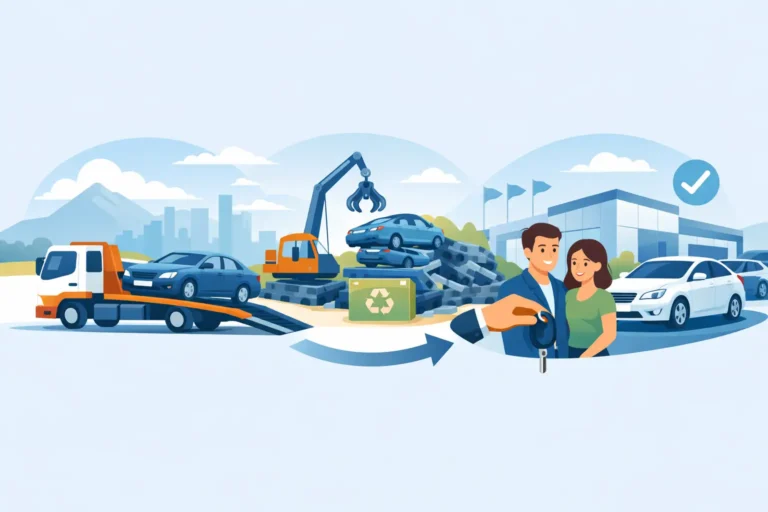
Getting rid of an unwanted vehicle should not require a long checklist or a weekend spent organizing transport. The process is usually handled in three straightforward steps.
1. Request a quote
Call or submit the vehicle details, including its location and condition. You should receive a clear offer based on the information supplied. If you accept it, arrange a collection time that works for you. Same-day pickup may be available depending on the area, time of contact, and towing schedule.
2. Prepare the vehicle and paperwork
Remove personal items from the glove box, center console, boot, door pockets, and under the seats. Check for garage remotes, documents, toll tags, tools, and number plates if you intend to keep them.
Have proof that you are entitled to sell the vehicle. Requirements can vary depending on the vehicle’s registration status and ownership situation, so tell the buyer early if the vehicle is deregistered, registered in a business name, part of an estate, or owned jointly. This prevents delays on collection day.
3. Get paid and let the team remove it
At pickup, the collector checks that the vehicle matches the description, completes the agreed process, pays you, and loads the vehicle for removal. You should not have to pay towing fees for a standard collection. Once the vehicle leaves, you have your space back and no longer need to worry about arranging repairs, storage, or transport.
Why Free Removal Matters
A non-running vehicle is difficult to move legally and safely. Hiring a tow truck yourself can quickly reduce the money you make from the sale, particularly if the car is outside a main urban area or cannot roll onto a standard trailer.
Free vehicle removal removes that problem. It also saves you from asking a friend for a tow, risking damage while moving the vehicle, or leaving an unsafe car sitting on your property longer than necessary. For commercial operators, this is especially useful when several old fleet vehicles, damaged work vans, or equipment need to be cleared from a yard.
Collection timing still depends on access. Let the buyer know if the vehicle is behind a locked gate, in a tight driveway, down a narrow rural road, has flat tires, or is blocked by another car. A few minutes of planning helps the collection go smoothly.
What Happens to a Vehicle After Disposal?
Disposal does not always mean a car is simply crushed. A responsible automotive wrecker assesses the vehicle for reusable components before recycling the remaining material. Parts such as engines, gearboxes, doors, lights, alternators, wheels, interior pieces, and panels may be tested and supplied to motorists, mechanics, and repair shops.
This gives other vehicle owners access to affordable recycled parts and keeps usable materials in circulation. It can be a sensible option for older cars where buying a brand-new replacement part does not make financial sense.
The remaining metal and materials can then be processed for recycling. For the seller, the key benefit is simpler: an unwanted vehicle is collected, paid for, and handled through a business that has a practical use for what is left.
Avoid These Common Disposal Delays
The biggest delays are usually avoidable. Do not wait until the tow truck arrives to look for keys or confirm who owns the vehicle. If keys are missing, the car is locked, or it has been heavily stripped, say so when requesting the quote.
Do not accept an unclear offer that leaves room for surprise towing or administration charges. Ask whether removal is free and whether payment is made at the time of collection. If the vehicle is on rented property, in a shared driveway, or at a business site, make sure the collector will be able to access it at the agreed time.
For a fast, direct option, Quick Cash For Cars buys unwanted vehicles in all conditions and arranges free collection across its service areas. A short call with the right vehicle details can be enough to move from an occupied driveway to cash in hand.
If your car has become a repair bill, a storage problem, or an eyesore, getting a quote is a useful first move. You may find that the vehicle you no longer want still has value, and clearing it can be much easier than keeping it.