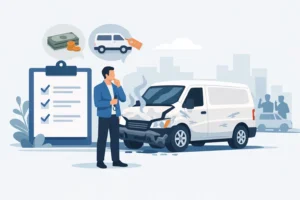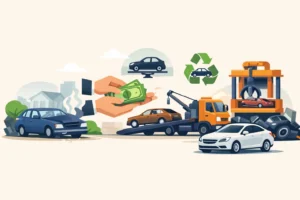
A dead car in the driveway is more than an eyesore. It takes up space, can leak fluids, and becomes harder to move the longer it sits. Scrap prices can turn that unwanted vehicle into cash, but the amount you are offered depends on more than its weight in metal.
Whether you have a wrecked sedan, a deregistered van, an old ute, or a non-running truck, knowing how vehicle scrap value works helps you spot a fair offer and avoid wasted time. The right buyer can assess the vehicle, arrange pickup, and pay you without asking you to tow a broken-down car across town.
What Determines Scrap Prices?
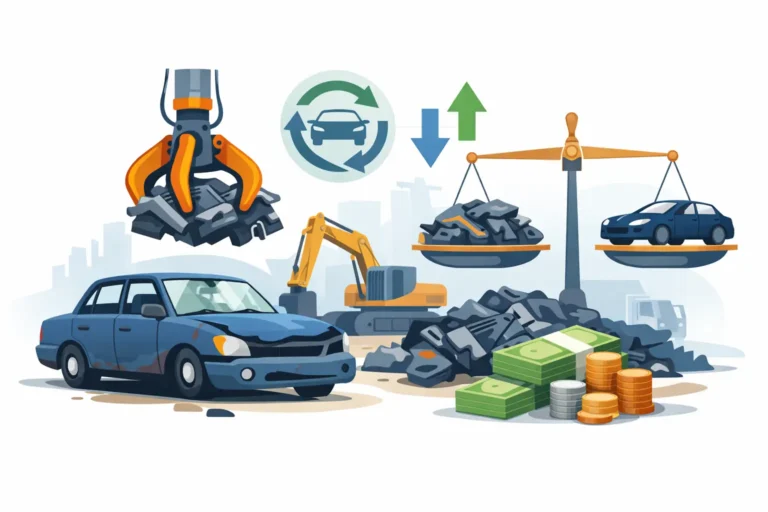
Scrap prices move with the market value of recyclable materials, especially steel, aluminum, copper, and other metals. A typical vehicle contains a lot of steel, so changes in steel demand can affect what a scrap buyer can pay. But metal weight is only one part of the calculation.
The vehicle’s make, model, age, condition, location, and salvageable parts can all change its value. A car that is beyond repair may still have a usable engine, transmission, catalytic converter, wheels, panels, lights, interior components, or electronics. Those parts can be inspected, removed, and reused, which may make the vehicle worth more than a metal-only offer.
That is why two cars of a similar size can receive very different quotes. A complete, popular model with reusable parts may have stronger value than a stripped shell, even if the shell is heavier. On the other hand, severe fire damage, missing major components, or extensive rust can reduce the amount a buyer can offer.
Metal prices are only the starting point
When people hear “scrap car,” they often assume every vehicle is priced by the ton. That can be true for a vehicle that has no practical parts left. However, a professional auto dismantler usually looks at the whole vehicle first.
For example, an accident-damaged Toyota or Ford with a sound engine may have a better return than its raw scrap weight suggests. A late-model SUV with damaged bodywork may still contain parts that drivers and repair shops need. Even older vehicles can carry value if they are complete and have sought-after components.
Vehicle size and type matter
Larger vehicles generally contain more recyclable material, but size does not guarantee the best payout. Trucks, buses, 4WDs, vans, and heavy machinery may have more metal and larger components, which can increase value. They may also need specialized collection equipment, particularly if they cannot roll, have flat tires, or are parked in a difficult location.
A clear, honest description lets the buyer plan the right pickup and provide a more accurate quote. Tell them whether the vehicle starts, whether it has keys, if the wheels are attached, and where it is located. These details prevent last-minute surprises for both sides.
Why Scrap Prices Change From One Quote to Another
There is no single fixed price for every scrap vehicle. Recycling markets fluctuate, and local demand for parts changes over time. A buyer may also have stronger demand for certain makes and models because they regularly supply recycled parts to customers.
Condition matters just as much. A vehicle that was parked after a mechanical failure is different from one that was crushed in a collision. The first may have many usable parts. The second may still be worth cash, but its value is more likely to be based on recoverable metals and components that remain intact.
Paperwork can also affect the process. If you have proof of ownership and any available registration documents, keep them ready when requesting a quote. Requirements vary by location and vehicle status, but clear ownership information helps make collection straightforward.
How to Get a Fair Scrap Vehicle Quote
A good quote should be based on real details, not a vague promise designed to get someone to call. You do not need to know every mechanical issue, but you should give an accurate overview of the vehicle.
Start with the make, model, year, and location. Then explain its condition in plain language: non-running, accident-damaged, flooded, missing parts, deregistered, or simply old and unwanted. Mention major components that are still present, such as the engine, transmission, catalytic converter, battery, and wheels. A few clear photos can also help when they are requested.
Ask whether towing is included and when payment is made. The best option for a non-running vehicle is usually a buyer that provides free removal and pays on pickup. That means you do not have to pay a tow company first or wait around after the vehicle has been taken away.
Be cautious of offers that sound high but are not confirmed after the buyer sees the car. A reliable service explains that the final amount depends on the vehicle matching the description. If it does match, the process should be simple: confirm the quote, schedule collection, hand over the vehicle, and get paid.
Do not spend money fixing a vehicle just to scrap it
If the car is heading for dismantling or recycling, expensive repairs rarely make sense. Replacing an engine, transmission, or major electrical component can cost far more than any increase in resale or scrap value. The exception is a minor issue that makes the vehicle safe and easy to move, but even then, check the numbers before spending money.
A quote lets you decide whether repair, private sale, parts sale, or scrapping is the better route. If repair costs are higher than the vehicle’s realistic value, selling it as-is can be the practical choice.
Scrap Price vs. Whole-Vehicle Value
The phrase “scrap price” is often used for any unwanted car offer, but there is a difference between selling a vehicle for metal and selling it as a complete end-of-life vehicle. A whole-vehicle buyer may pay for salvageable parts, recyclable fluids and materials, and the convenience of collecting the car. A metal recycler may focus mainly on weight.
For owners, the total deal matters more than the headline number. A slightly higher offer is not better if it comes with towing fees, delays, hidden deductions, or a requirement to deliver the vehicle yourself. Free collection and payment at pickup can save both money and hassle, especially when a car will not start.
Quick Cash For Cars assesses unwanted vehicles in all conditions, from everyday cars to commercial vehicles and heavy equipment. The goal is straightforward: give you a clear quote, remove the vehicle for free, and pay you when it is collected.
When Is It Time to Scrap Your Car?
A vehicle may be ready to sell for scrap or dismantling when it has failed a major mechanical repair, suffered serious crash damage, become uneconomical to register, or sat unused for months. It can also make sense for fleet owners clearing old vans, trucks, or equipment that is no longer earning its keep.
There is no need to wait until a vehicle is completely stripped or rusted into the ground. In fact, an intact vehicle often has more value because it contains more reusable parts. Selling sooner can also free up space and stop a small problem, such as a leaking battery or flat tires, from becoming a bigger cleanup job.
Questions Vehicle Owners Often Ask
Can I get cash for a car that does not run?
Yes. Non-running vehicles are commonly bought for parts, dismantling, and recycling. Let the buyer know that it does not start so they can bring suitable towing equipment.
Are damaged and deregistered vehicles accepted?
Usually, yes. Accident damage, expired registration, mechanical faults, and missing warrant or inspection status do not automatically make a vehicle worthless. The offer will reflect its condition and recoverable value.
Do I need to deliver the vehicle?
Not if the buyer provides free vehicle removal. This is often the most useful option for scrap, dead, or damaged vehicles because arranging your own tow can cut into your payment.
What should I remove before pickup?
Take out personal belongings, documents, garage remotes, toll tags, and anything you want to keep. If you have spare keys, service records, or ownership paperwork, have them ready as well.
The quickest way to find out what your vehicle is worth is to get a quote based on its real condition. Give clear details, choose a buyer that includes removal, and turn that unwanted space in your driveway into cash without making the job harder than it needs to be.