
A car that will not start, has been damaged in an accident, or has been sitting in the driveway for months can become expensive clutter fast. If you are thinking, “I need to sell my car,” you do not have to spend weeks posting ads, meeting strangers, or arranging a tow. The right selling method depends on the vehicle’s condition, how quickly you need it gone, and whether you want the highest possible private-sale price or the simplest reliable outcome.
When selling privately makes sense – and when it does not
A running, clean, well-maintained vehicle with current registration and a strong resale market may be worth advertising privately. You can set your own asking price and wait for a buyer who likes the make, model, mileage, and features. That can bring in more money, but it also takes time. You will need to take photos, answer messages, arrange viewings, negotiate, and handle buyers who do not show up.
Private selling becomes much less practical when a vehicle has mechanical faults, body damage, missing parts, expired registration, or major repair costs. A buyer may expect a steep discount, ask you to pay for inspections, or walk away once they see the condition in person. If the vehicle cannot be driven, you also have the problem of getting it to a buyer or paying for transport.
For unwanted, damaged, non-running, scrap, or end-of-life vehicles, a professional vehicle buyer is often the faster route. The vehicle is assessed for its reusable parts, metal value, make, model, demand, and overall condition. You get an offer based on what it is worth now, rather than being asked to repair it first.
Sell my car fast: start with the right details
You do not need to be a mechanic to request a quote, but clear information helps you receive a fairer and more accurate offer. Have the vehicle’s make, model, year, mileage, and location ready. Be honest about whether it runs, whether it has accident damage, and whether key parts such as the engine, transmission, wheels, battery, or catalytic converter are still present.
If you have the registration papers or proof of ownership, keep them nearby. Requirements can vary depending on where you live and the vehicle’s status, so ask what documents are needed before pickup. If the car is deregistered, unregistered, or has been off the road for years, say so upfront. These vehicles can still have value, but transparency prevents surprises at collection.
Photos can also help with an initial quote. Take clear pictures of the front, rear, both sides, interior, and obvious damage. A quick photo of the dashboard can show mileage and warning lights. There is no need to hide dents or mechanical issues. Accurate details mean a more realistic quote and a smoother handover.
What affects the offer for an unwanted vehicle?
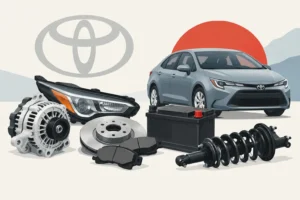
There is no single price for every old or damaged car. Even two vehicles of the same year can have very different values. A popular Toyota, Mazda, Nissan, Honda, Ford, Subaru, Mitsubishi, BMW, or Suzuki may have strong demand for used parts, while a heavier commercial vehicle may carry more recoverable material value.
The biggest factors are the vehicle’s make and model, age, overall condition, mileage, demand for parts, and whether it can still be driven. A late-model car with a damaged front end may be worth more than an older running car with a worn engine. A non-running ute with a sound transmission and good panels may still be worth collecting. Vans, 4WDs, trucks, buses, and machinery are also assessed individually because their parts and materials can be valuable.
Do not assume your car is worthless just because repairs cost more than the vehicle’s market value. A wrecker can dismantle usable components and recycle the rest responsibly. That is why a dead car, accident write-off, or long-abandoned project vehicle can still bring a cash offer.
Avoid the costs that eat into your sale
The price you receive is only one part of the decision. Before choosing how to sell, consider what it will cost you to get the vehicle ready or moved. A private buyer may expect a current inspection, new tires, repairs, cleaning, or delivery. A dealer trade-in may be convenient, but its offer can be lower because the dealer has to prepare and resell the car.
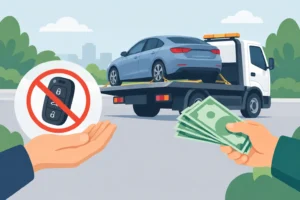
Towing is another common expense. If your car has a blown engine, flat tires, accident damage, or no registration, driving it may not be an option. Paying for a tow before you can sell it can turn a modest offer into very little cash in hand.
A vehicle-buying service that includes free removal removes that problem. Ask directly whether collection, towing, paperwork support, and payment are included in the agreed amount. A clear quote should not turn into unexpected fees when the truck arrives.
A simple way to sell an unwanted car
The process should be straightforward. First, provide the vehicle details and your pickup location. You receive a quote based on the information supplied. If the offer works for you, choose a collection time that fits your schedule.
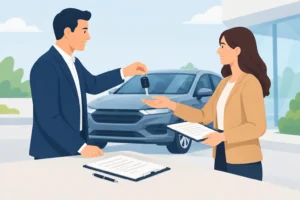
At pickup, the driver checks that the vehicle matches the description, completes the necessary handover, pays you on the spot, and removes the vehicle. That is especially useful when the car is blocking a garage, taking up yard space, or sitting at a workshop where storage costs are building.
Quick Cash For Cars purchases vehicles in all conditions and can arrange free collection, making it a practical option for owners who need an old vehicle removed without organizing transport themselves. The key is to give accurate details when you request the quote and confirm the payment method before collection.
Prepare your car before collection
Even if the vehicle is going for dismantling or recycling, take a few minutes to check it before handing over the keys. Remove personal belongings from the glove box, center console, trunk, door pockets, and under the seats. Check for garage remotes, parking passes, work equipment, documents, and spare keys.
Cancel any insurance you no longer need after the sale is complete, and follow your local rules for transferring or canceling registration. If you use a navigation system, Bluetooth unit, or infotainment screen that stores contacts and addresses, clear your personal data. Remove toll tags or parking permits as well.
Leave the vehicle accessible for the tow truck. Move other cars if needed, tell the buyer about a tight driveway or locked gate, and make sure someone authorized to sell the vehicle is present. Small steps like these keep a same-day pickup from becoming a delayed collection.
Questions to ask before accepting an offer
A quick sale should still be a clear sale. Confirm whether the quoted amount is the amount you will receive, whether removal is free, and when payment is made. Ask if the buyer accepts your vehicle in its current condition and whether there are any document requirements for a deregistered or damaged car.
It is also worth confirming the collection window. “Same day” can mean different things depending on demand, distance, and truck availability. If you need the vehicle gone before a move, property inspection, workshop deadline, or lease return, tell the buyer that immediately. A professional service should give you a realistic time frame rather than a vague promise.
Choose the option that solves your real problem
If you have time, a roadworthy vehicle, and patience for private buyers, selling it yourself may be worthwhile. If the car is broken down, damaged, unwanted, or simply not worth fixing, speed and convenience may matter more than chasing a higher asking price that never arrives.
The best sale is not always the one with the biggest number on an ad. It is the one that gives you a fair offer, clear payment, free removal when needed, and an empty driveway by the end of the day.