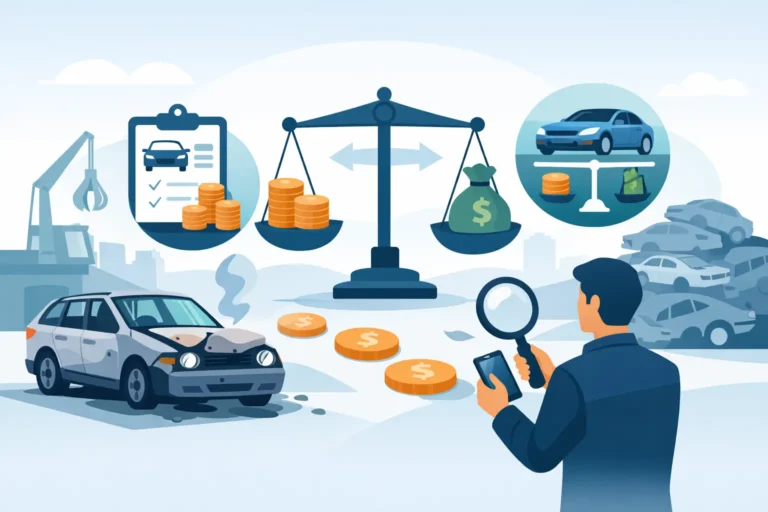
A dead car in the driveway is more than an eyesore. It takes up space, can leak fluids, and becomes harder to move the longer it sits. If you are asking, “how much is my scrap car worth,” the honest answer is that it depends on more than its weight. The vehicle’s make, condition, reusable parts, location, and current metal market all affect the offer.
The good news is that you do not need to know engines, catalytic converters, or scrap-metal rates to get a fair idea of what your vehicle may bring. A professional buyer can assess the details quickly, arrange pickup, and pay you when the car is collected.
How Much Is My Scrap Car Worth in Real Terms?
A scrap car can be worth anywhere from a basic metal-value offer to a much stronger payout if it contains useful, resellable parts. Even a car that will not start, has failed a warrant, has been deregistered, or has major accident damage may still have value.
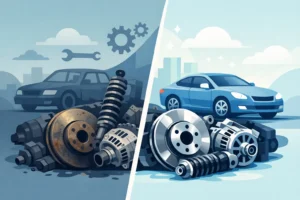
The lowest-value vehicles are usually stripped shells, severely burned cars, or vehicles missing major components. These are generally priced mainly on weight and recoverable metal. A complete vehicle, on the other hand, may be worth more because a wrecker can recover parts such as doors, wheels, transmissions, engines, lights, panels, electronics, and interior components.
That is why two cars of a similar size can receive very different offers. An older vehicle with a popular engine or hard-to-find parts can be worth more than a newer vehicle with severe damage and little left to reuse.
What Changes the Value of a Scrap Vehicle?
The biggest factor is whether the vehicle has usable parts in addition to scrap metal. Cars from common makes often have demand for recycled parts, especially when major mechanical and body components are still intact. Utes, vans, 4WDs, trucks, buses, and heavy machinery can also carry higher value because of their size and the value of recoverable components.
Vehicle condition matters, but it does not need to be perfect. A running car may be easier to assess and move, yet non-running vehicles are routinely purchased for dismantling. Accident damage lowers the resale value of affected parts, but it may leave many other components untouched. Flood, fire, missing parts, and major rust can also reduce the offer.
Your car’s make, model, year, and trim can make a difference. A vehicle that shares parts with many other models may be useful to a dismantler. Popular Japanese, European, and American vehicles can all have recyclable parts value, depending on demand and condition.
The current value of steel and other metals also plays a part. Scrap markets move over time, so there is no single fixed price that applies to every vehicle all year. A quote should reflect current conditions rather than an outdated figure found online.
Finally, location and access can influence the practical side of collection. A vehicle parked in a clear driveway is simpler to load than one blocked behind other cars, sunk into soft ground, or sitting in a tight backyard. With a free-removal service, you should not be charged separately for ordinary towing, but it is still worth describing access accurately when requesting a quote.
Details That Help You Get an Accurate Quote
A quick quote is easier when you can provide a few straightforward details. The buyer does not need a long story about every repair attempt. They need enough information to identify the vehicle and assess its likely recycling and parts value.
For the most accurate offer, be ready to share:
- The make, model, year, and body type, such as sedan, SUV, ute, van, or truck
- Whether it starts, drives, rolls, or has been sitting for a long time
- Major damage, missing parts, fire or flood damage, and obvious rust
- Your pickup location and any access issues for a tow truck
Photos can help when the vehicle has accident damage or when you are unsure how to describe its condition. Clear pictures of the front, rear, sides, interior, and damaged areas give the buyer a better picture and reduce surprises at collection.
Be upfront about what is missing. If the engine, wheels, battery, catalytic converter, or registration plates are gone, say so at the start. Accurate information protects the quoted price and helps the collection team arrive with the right equipment.
Scrap Value Versus Selling It Privately
If your vehicle is still roadworthy, safe, and reasonably reliable, selling it privately may bring more money. That option also takes more time. You may need to clean it, photograph it, advertise it, answer messages, arrange viewings, negotiate, and deal with buyers who do not show up.
For a vehicle that needs expensive repairs, has serious damage, does not run, or is deregistered, private sale often becomes less practical. Buyers may expect a very low price, while you still have to arrange towing or repairs before anyone will consider it.
Selling to a vehicle buyer or wrecker is usually about certainty and speed. You receive an offer based on the vehicle as it sits, arrange collection, hand over the vehicle, and get paid. The trade-off is that you are selling for its recycling and parts value rather than trying to achieve the highest possible retail price.
Do You Need to Repair a Scrap Car First?
Usually, no. Spending money to repair a vehicle before selling it for scrap rarely makes sense unless the repair is small and clearly turns it into a roadworthy resale vehicle. A new battery, tires, transmission work, or engine repair can cost far more than it adds to a scrap-car offer.
It is often better to sell the car in its current condition and let the buyer assess it. This is especially true for vehicles with blown engines, failed transmissions, structural rust, accident damage, or electrical faults that are difficult to diagnose.
Remove your personal belongings before pickup, including documents, garage remotes, toll tags, tools, and items stored under seats or in the trunk. If you have the keys, keep them ready, even if the vehicle no longer starts. You should also have any ownership or vehicle documents available if required for the sale.
What a Straightforward Scrap-Car Sale Looks Like
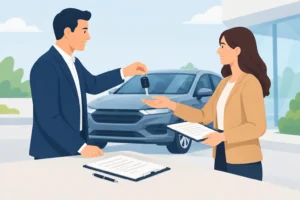
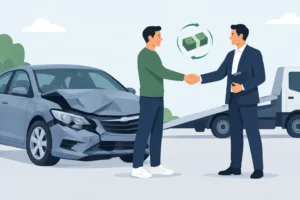
A simple process should not leave you chasing transport, waiting days for payment, or discovering towing fees at the last minute. First, provide the vehicle details and receive an offer. Next, choose a collection time that works for you. At pickup, the team checks that the vehicle matches the description, completes the necessary handover, and pays you.
Quick Cash For Cars buys vehicles in all conditions and can arrange free removal, including for non-running and damaged cars. The point is to turn a vehicle you no longer want into money without paying to tow it away yourself.
Ask whether the offered amount includes collection and whether payment is made on the spot. A clear answer matters. The best offer is not always the biggest number in an ad if towing charges, delays, or last-minute deductions reduce what you actually receive.
When It Is Time to Get a Quote
There is no benefit in letting an unwanted vehicle become more difficult to remove. Tires deflate, batteries fail, rust spreads, and parts can deteriorate while the car sits unused. If it is blocking a driveway, taking up workshop space, or costing more to repair than it is worth, request a quote with accurate details and let the buyer tell you what it can bring.
A fair quote gives you a practical next step: cash for the vehicle, free space at home or work, and one less problem waiting in the yard.