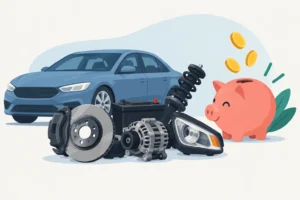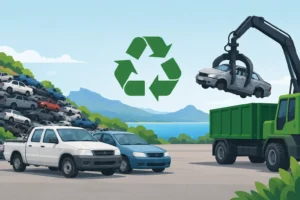

A car that will not start can become expensive before it even leaves your driveway. A tow truck, repair estimate, and wasted time can quickly turn a simple sale into a hassle. So, do buyers collect vehicles? Many professional vehicle buyers do, especially when they buy damaged, scrap, deregistered, or non-running vehicles. But collection terms, payment methods, and the vehicles accepted can differ from one buyer to the next.
For owners who need an unwanted vehicle gone, collection is often the deciding factor. The right buyer comes to your location, checks the vehicle, pays you, and removes it without asking you to arrange transport.
Do Buyers Collect Vehicles in Any Condition?
Many vehicle buyers collect cars, vans, SUVs, pickup trucks, 4WDs, and commercial vehicles that are no longer practical to sell privately. That can include accident-damaged cars, dead vehicles, high-mileage vehicles, flood-damaged vehicles, deregistered vehicles, and cars with major mechanical faults.
A private buyer usually expects a roadworthy vehicle and may want a test drive. A professional vehicle buyer or auto wrecker works differently. They assess what the vehicle is worth for usable parts, metal, components, and recycling. That means a seized engine, failed transmission, missing registration, or flat tires do not automatically rule out a sale.
There are limits. A buyer may need to know if the vehicle is accessible, whether it rolls, and whether it has been stripped of major parts. A vehicle buried behind other cars or locked inside a garage may take more planning to collect. Honest details upfront help the buyer send the right tow truck and give a more accurate quote.
When Is Vehicle Collection Free?
Free collection is common when a buyer wants the vehicle and can recover its value through resale, dismantling, used parts, or scrap materials. It is especially useful for owners of cars that cannot legally or safely be driven.
Still, ask the question directly before agreeing to anything: Is towing included in the quoted price? Some buyers advertise a high offer, then deduct towing, administration, or pickup fees later. Others may only provide free collection within certain areas or for vehicles that meet a minimum value.
A straightforward buyer should explain whether removal is free, when payment will be made, and whether the price quoted is the amount you will receive. At Quick Cash For Cars, the process is built around free vehicle removal and payment at collection, so owners do not have to pay to move an unwanted vehicle first.
What Buyers Need Before They Can Pick Up a Vehicle
Most collections can be arranged quickly when you have the basic details ready. The buyer will usually ask for the vehicle’s make, model, year, location, condition, and registration status. They may also ask whether it starts, drives, rolls, has keys, or has visible accident damage.
Photos can help, particularly for heavily damaged vehicles, trucks, or machinery. They allow the buyer to estimate the vehicle’s condition and decide what equipment is needed for removal. A few clear photos of the front, rear, sides, interior, and damage area are usually more useful than a long description.
You should also be prepared to show proof that you are allowed to sell the vehicle. Requirements vary by location and buyer, but ownership documents, identification, and any registration paperwork can make the handover simpler. If the vehicle belongs to a business, confirm that the person arranging the sale has authority to do so.
Remove personal belongings before pickup. Check the glove box, center console, trunk, door pockets, under the seats, and any storage compartments. Take out garage remotes, parking passes, paperwork, child seats, tools, and number plates if you plan to keep them. Once the tow truck leaves, recovering an item can be difficult.
How the Collection Process Usually Works
The best vehicle buyers keep the process simple. It generally starts with a quote, followed by booking, payment, and removal.
First, provide the vehicle details and your pickup address. Be clear about its condition rather than guessing. Saying that a car “just needs a small fix” when it has not run for two years can lead to delays or a changed offer at pickup.
Next, review the quote. Ask whether it includes towing, whether the payment is made on the spot, and what could cause the price to change. A fair buyer will explain that a quote relies on the information provided. If the actual vehicle is materially different from the description, the value may need to be reassessed.
Then arrange a collection time. Same-day pickup may be available, but it depends on your location, the type of vehicle, and tow-truck availability. If access is tight, tell the buyer about narrow driveways, apartment parking, gates, steep ground, or a vehicle blocked by another car. This helps prevent an avoidable return visit.
At collection, the driver or buyer checks the vehicle details, completes the necessary paperwork, pays the agreed amount, and loads the vehicle. You should not need to drive a non-running vehicle to a yard or pay a separate towing company to get it there.
What Affects the Offer You Receive?
Collection convenience does not mean every vehicle receives the same amount. Buyers base offers on the vehicle’s make, model, age, weight, demand for used parts, condition, and current scrap values.
A common model with good doors, lights, wheels, engine components, or interior parts may be worth more than an uncommon model in similar condition. A late-model accident-damaged pickup may have valuable reusable components. On the other hand, a vehicle that has been burned, severely crushed, or stripped may be valued mostly for its metal content.
Location can also affect the offer. If a vehicle is far from the buyer’s collection area or difficult to access, transport costs may be higher. That does not mean pickup will always cost you money, but it is one reason to give an exact location when requesting a quote.
The fastest way to get a realistic offer is to share accurate information. You do not need to be a mechanic. Simply explain what you know: it does not start, it was in a crash, the engine overheats, the transmission slips, or it has been sitting unused. Clear information protects both sides from surprises.
Should You Sell Privately or Use a Collection Buyer?
Private sale can make sense for a clean, running vehicle with current registration and a strong resale market. You may receive more money, but you will need to create an ad, answer messages, meet strangers, negotiate, and arrange test drives. If the vehicle is not roadworthy, you may also need to spend money on repairs or towing before a buyer will consider it.
A collection buyer is usually the more practical choice when speed and convenience matter more than holding out for a retail price. This is often true for wrecked cars, old vehicles, non-runners, commercial fleets, and vehicles taking up valuable space at home or work.
The trade-off is simple: a buyer collecting a damaged vehicle is pricing it for parts, recycling, and recovery, not for dealership resale. You are paying nothing for removal, avoiding repair costs, and getting the vehicle handled in one step. For many owners, that is worth more than weeks of trying to sell a problem car privately.
Questions to Ask Before You Book Pickup
Before confirming collection, make sure you know the final offer, whether towing is free, how payment is made, and what documents you need to provide. It is also worth asking whether the buyer accepts your specific vehicle type, especially if you have a bus, truck, van, heavy machinery, or a vehicle with serious damage.
Avoid buyers who are vague about fees, pressure you to commit before providing a quote, or refuse to explain how the offer was calculated. A clear quote and clear collection arrangements are signs that the process will be straightforward.
If your unwanted vehicle is blocking the driveway, failing repairs, or costing more to keep than it is worth, collection can be the easiest way forward. Have the details ready, get a transparent quote, and choose a buyer that can remove it without adding another job to your day.