A deregistered car can turn into a driveway problem fast. It may not start, it may be too costly to repair, and you generally cannot just drive it to a buyer or wrecking yard. The good news is that deregistered vehicle disposal NZ does not need to mean paying for a tow or letting an unusable vehicle take up space for months. A professional vehicle buyer can collect it from your home, workshop, farm, or business site and pay you on the spot.
Whether you have an old sedan, accident-damaged ute, dead van, commercial truck, 4WD, bus, or machinery that has reached the end of its working life, the right disposal option depends on its condition, parts value, and your plans for it. For most owners, the practical goal is simple: get it removed safely, complete the right paperwork, and receive a fair offer without hidden costs.
What Deregistration Means for Your Vehicle
Deregistration means the vehicle is no longer registered for use on New Zealand roads. This can happen because an owner cancels registration, the vehicle has been off the road for a long time, or it is no longer worth keeping compliant and roadworthy.
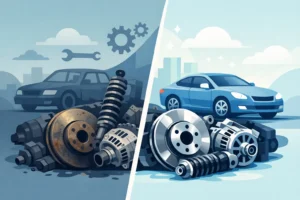
That does not automatically mean the vehicle has no value. A deregistered Toyota, Mazda, Ford, Nissan, BMW, Holden, Honda, Mitsubishi, Subaru, Suzuki, or other make may still contain saleable parts, usable metal, wheels, panels, engines, transmissions, and interior components. Even a non-running vehicle can be worth money to a buyer that dismantles and recycles vehicles.
The key difference is logistics. If the vehicle is deregistered, damaged, unroadworthy, or has no current WOF, arranging your own transport can be difficult and expensive. You should not assume it is okay to drive it on public roads simply because it can still move under its own power. Free collection removes that issue altogether.
Deregistered Vehicle Disposal NZ Without the Hassle
For many people, selling privately is not realistic. Buyers want to test-drive the vehicle, ask about registration, and negotiate hard once they see a warning light, flat tire, missing parts, or accident damage. If the car does not run, you may also need to organize a trailer or pay a towing company before you see any money.
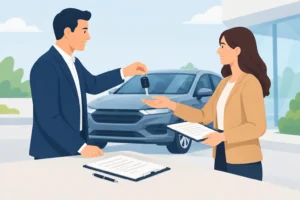
A vehicle removal service is built for the opposite situation. You provide the make, model, year, condition, location, and a clear description of any major damage. The buyer gives you a quote, arranges collection, and pays when the vehicle is picked up. There is no need to repair it first, renew registration, or make it presentable for a private sale.
Quick Cash For Cars buys vehicles in all conditions across Auckland, Waikato, and the Bay of Plenty. That includes deregistered cars and commercial vehicles that are no longer earning their keep. Collection is free, so the offer is not reduced later by a surprise towing charge.
When Disposal Is Better Than Re-registering
Some deregistered vehicles can be returned to the road, but it is not always the smart financial choice. Re-registration may involve inspections, repairs, compliance work, replacement parts, and time off the road. The final cost can quickly exceed what the vehicle is worth.
Disposal is often the better option when the vehicle has serious rust, crash damage, mechanical failure, flood damage, a blown engine, gearbox issues, or a long list of overdue repairs. The same applies when a work van or truck has been sitting unused and is costing your business space, storage, or attention.
It depends on the vehicle. A late-model car in otherwise good condition may be worth repairing or selling as a project. An older vehicle with structural issues and a failed motor is usually better sold for parts and recycling. A straightforward quote gives you a realistic number to compare against the cost of bringing it back to roadworthy condition.
What Affects the Offer for a Deregistered Vehicle?
Deregistration itself does not set the price. Buyers look at what can still be recovered from the vehicle and what it will cost to collect, dismantle, process, and recycle it.
A complete vehicle typically has more value than one that has already been stripped for parts. Popular models may be worth more because there is demand for used engines, doors, lights, wheels, electronics, and other components. Late-model vehicles, 4WDs, utes, vans, trucks, and machinery can also have strong salvage value, even when they are not drivable.
The condition of major components matters too. An accident-damaged car with a good engine and transmission may be worth more than an intact vehicle with severe mechanical failure. Scrap-metal pricing can influence the offer, but it is only one part of the calculation. Be honest about missing parts, accident damage, and whether the vehicle starts. Accurate details lead to a more accurate quote and a smoother pickup.
The Fastest Way to Get It Removed
The process should be simple, especially when the vehicle cannot be driven. Start by requesting a quote and sharing the basic details: vehicle type, make, model, year, condition, and pickup location. Photos can help where available, particularly for crash damage or commercial equipment.
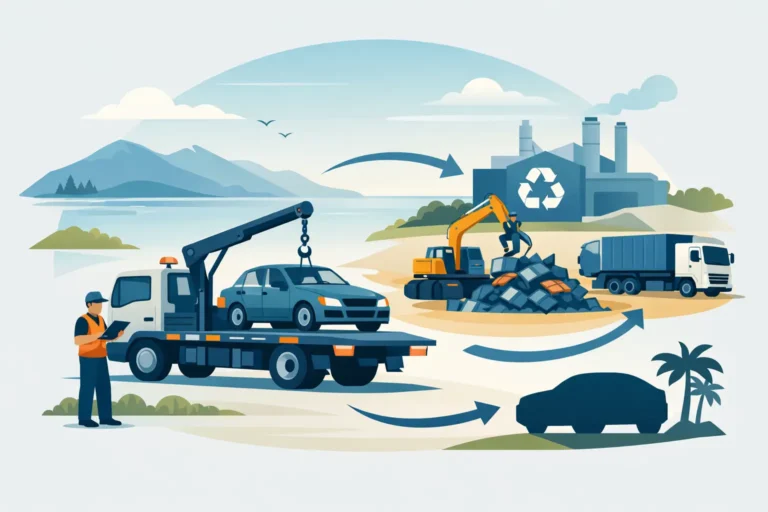
Once you accept the offer, arrange a collection time that works for you. Same-day pickup may be available depending on your location and scheduling. The tow team can load vehicles that do not start, have flat tires, are missing keys in some cases, or have been parked for years. Let the team know about tight access, steep driveways, low carports, or vehicles blocked in behind another car before collection is booked.
At pickup, check that you have removed personal items from the glovebox, center console, boot, under-seat storage, and any work compartments. Take out garage remotes, documents with personal information, toll tags, tools, child seats, and custom accessories you intend to keep. If you have both plates, keep them accessible and follow the relevant NZTA process for your situation.
You should also make sure ownership details are handled properly. Tell the buyer exactly whose name the vehicle is in and have any relevant information ready. Requirements can differ depending on whether the vehicle is being sold, scrapped, or has already been deregistered, so do not leave the ownership update until later. Keeping your records current helps prevent future confusion around notices, fees, or liability.
Why Free Towing Matters
A cheap-looking offer is not always the best offer if towing is added afterward. Transporting a non-running car across town can cost a meaningful amount, and larger vehicles can cost more. If the vehicle is in a rural area, down a long driveway, or at a commercial site, logistics matter even more.
Free removal gives you a clear result: you know what you are being paid and you do not need to find a separate tow operator. It also saves time. Instead of coordinating a tow to a wrecking yard and then negotiating with the yard, you can arrange one pickup that handles the vehicle and payment together.
For businesses, this can be especially useful when clearing old fleet vehicles, damaged utes, unused vans, workshop wrecks, or heavy equipment. Removing them quickly creates room for vehicles and equipment that can still earn money.
Common Questions About Deregistered Vehicle Removal
Can I sell a deregistered car if it does not run?
Yes. Non-running vehicles are commonly bought for reusable parts, metal recovery, and dismantling. Tell the buyer it does not run so the correct towing equipment can be sent.
Do I need to repair it before selling it?
No. Repairs are usually unnecessary when you are selling a deregistered vehicle for dismantling or recycling. Spending money on repairs only makes sense if it will increase the vehicle’s value by more than the repair cost.
Will a buyer collect a damaged ute, truck, or van?
In most cases, yes. Vehicle buyers can assess cars, utes, vans, 4WDs, trucks, buses, and many types of heavy machinery. Provide clear details on size, condition, and access at the pickup location.
What if the vehicle has been sitting for years?
It can still be removed. Long-term parked vehicles may have seized brakes, flat tires, missing batteries, or deteriorated interiors, but a professional removal team can plan for those conditions.
A deregistered vehicle does not need to become a permanent fixture in your driveway or yard. Get a clear quote, choose a pickup time, and let someone else handle the loading, removal, and recycling while you get paid for the space you are getting back.