A damaged car sale does not have to mean paying for repairs, arranging a tow, and waiting weeks for a private buyer. If your vehicle has accident damage, engine trouble, a failed transmission, flood damage, or simply will not start, you can still sell it for a fair amount and have it removed from your property.
For many owners, the real problem is not just the car’s condition. It is the space it takes up, the money it keeps costing, and the uncertainty around what to do next. A direct vehicle buyer can make the process straightforward: request a quote, arrange pickup, and get paid when the vehicle is collected.
When a Damaged Car Sale Makes More Sense Than Repairs
Repairing a damaged vehicle is not always the best financial move. A panel repair, replacement engine, transmission rebuild, or electrical diagnosis can quickly cost more than the vehicle is worth. Even after the repair, you may still have an older car with future maintenance needs and lower resale appeal.
A damaged car sale can be the practical choice when the repair estimate is high, the vehicle has failed a safety inspection, or it has been sitting unused for months. It can also suit owners who need quick cash for another vehicle, are moving house, or need a broken-down car removed from a driveway, garage, workshop, or commercial yard.
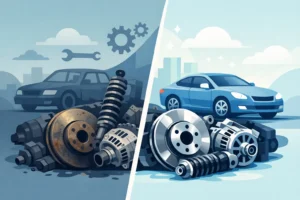
This does not mean every damaged vehicle should be sold as scrap. Some cars have strong value because of their make, model, age, mileage, usable parts, and demand for recycled components. A late-model SUV with front-end damage, for example, may be worth more than an older sedan with a major engine failure. The right option depends on the whole vehicle, not just the visible damage.
What Affects the Value of a Damaged Vehicle?
There is no single price for every non-running or accident-damaged car. A fair quote is based on details that help a buyer understand whether the vehicle can be repaired, dismantled for parts, or processed for its metal value.
The make and model matter because some vehicles have parts that are regularly needed by other drivers and repair shops. Toyota, Mazda, Nissan, Honda, Ford, BMW, Mitsubishi, Subaru, Suzuki, and Holden vehicles can retain value even when they are no longer roadworthy. Vans, pickups, 4WDs, trucks, buses, and machinery may also have valuable components or recoverable materials.
The type of damage makes a difference. Cosmetic dents and panel damage are very different from a bent chassis, flood damage, or a seized engine. Be clear about whether the car starts, drives, rolls, has keys, and still has major parts such as the engine, transmission, wheels, catalytic converter, and battery. Honest details help produce a more accurate quote and prevent delays at collection.
Location and access also matter. A vehicle parked on a flat driveway is usually simple to load. One stuck behind another car, in a narrow yard, or missing wheels may need different towing equipment. That should not stop you from selling it, but it is worth mentioning when you request a quote.
How to Prepare for a Damaged Car Sale
You do not need to spend money making a damaged vehicle look perfect before selling it. Avoid paying for repairs just to make a sale unless you know the repair will add more value than it costs. In most cases, clear information and a few basic checks are more useful.
First, remove your personal belongings. Check the glove box, center console, door pockets, trunk, under the seats, and any storage compartments. It is easy to leave behind paperwork, tools, garage remotes, sunglasses, work equipment, or old registration papers.
Next, gather what you have for the vehicle. Having the title or proof of ownership ready can make the handover easier. If you have service records, spare keys, or information about recent repairs, keep them nearby. You may not need every document, but it helps answer questions quickly.
Before pickup, let the buyer know about any access issues and whether the vehicle can move under its own power. If it is not running, has flat tires, or is deregistered, say so upfront. A professional buyer should be able to arrange suitable collection rather than expecting you to transport an unusable car.
Avoid the Common Private-Sale Problems
Selling a damaged car privately can work if the vehicle has minor damage, is still drivable, and has a clear market of buyers. But it often creates more work than owners expect. You may need to take photos, write an ad, answer messages, negotiate with people who have not inspected the car, and arrange viewings with strangers.
The biggest issue is that many private buyers want a cheap car but are not prepared to deal with the damage. They may agree on a price, arrive, then try to reduce it sharply after seeing the vehicle. Others may ask you to hold it, fail to show up, or expect you to arrange towing.
A direct buyer is usually a better fit when convenience matters more than chasing the highest possible retail price. You receive an offer based on the vehicle’s actual condition, avoid advertising costs, and do not need to wait for a buyer who can tow it away. There is a trade-off: a private sale for a repairable, desirable car may bring more money. For a non-running, badly damaged, or end-of-life vehicle, quick removal and a confirmed payment are often worth more.
Get a Quote With the Right Details
A useful quote starts with accurate information. Share the year, make, model, vehicle type, approximate mileage, condition, and your pickup location. Describe the main problem in plain language, such as “rear-end collision,” “engine overheats,” “transmission will not shift,” or “has been sitting for two years.”
Photos can help, especially for accident damage, missing parts, or unusual access conditions. You do not need professional images. A few clear shots of the front, sides, rear, interior, and damaged area give a better picture of the vehicle.
Be cautious with quotes that sound unusually high but come with vague terms. Ask whether towing is included, when payment is made, and whether there are any collection fees. A clear offer should explain what is included and should not turn into unexpected charges when the tow truck arrives.
Free Pickup Removes the Hard Part
The towing problem is what keeps many damaged cars sitting for too long. A car that will not start cannot be driven to a dealer, repair shop, or scrapyard, and arranging a separate tow can take a large bite out of the sale amount.
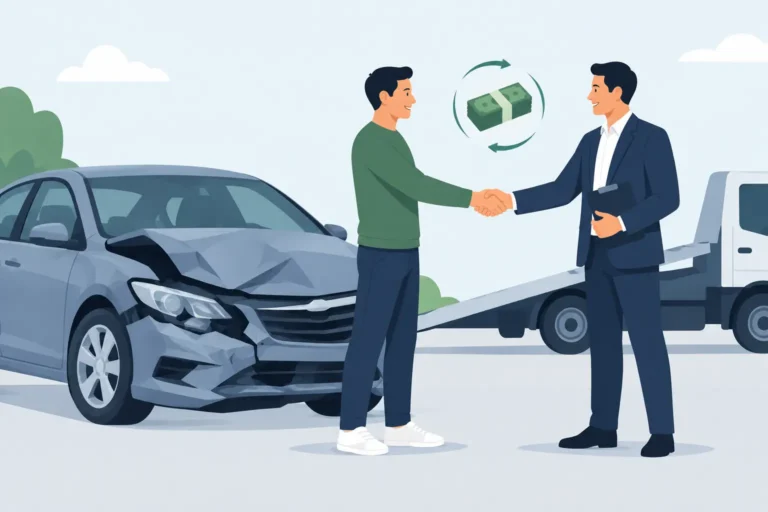
With Quick Cash For Cars, the collection process is built around vehicles that are damaged, unwanted, non-running, or no longer worth repairing. The team can arrange free removal and payment at pickup, so you are not left trying to coordinate a tow after agreeing to sell.
Same-day collection may be possible depending on your location, vehicle details, and tow availability. If you are in Auckland, Waikato, Bay of Plenty, or nearby areas, provide your location early in the process so pickup can be scheduled without unnecessary back-and-forth.
A Simple Way to Move On From a Damaged Vehicle
Once you have accepted a fair offer, make sure you understand the pickup time, payment method, and paperwork needed for transfer. Meet the driver if possible, confirm the vehicle being collected, and keep any relevant receipt or sale record for your files.
A damaged vehicle does not need to become a long-term driveway problem. Give accurate details, choose a buyer that includes towing and clear payment, and let the car leave on terms that work for you. The sooner you handle it, the sooner you have space back and cash in hand.