A deregistered vehicle can still have value, even if it has been sitting dead in the driveway for months. But deregistered car documents can make the difference between a quick pickup and a delayed sale. Before you request a quote, gather what you have and be upfront about anything missing. That gives the buyer enough information to assess the vehicle properly and arrange collection without surprises.
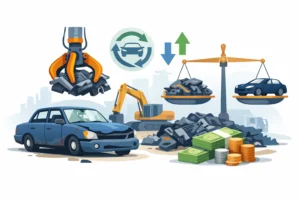
A deregistered car is not automatically worthless. It may still have usable parts, scrap-metal value, a recoverable engine, wheels, panels, or components another vehicle owner needs. The key is showing that you have the right to sell it.
What Deregistration Means for Your Vehicle
Deregistration generally means the vehicle is no longer active on the road register. It should not be driven on public roads until it meets the requirements to be registered again. For most owners looking to sell, that means one practical thing: the vehicle needs to be collected by tow truck or trailer, not driven away.
This is one reason selling to a vehicle buyer can be easier than trying to sell privately. A private buyer may expect a test drive, current registration, and a roadworthy vehicle. A professional buyer can assess an unwanted, accident-damaged, non-running, or end-of-life vehicle for its remaining value and organize removal.
Deregistration does not erase the vehicle’s identity or your ownership history. The VIN, make, model, plate details if available, and any paperwork still help confirm what the vehicle is and where it came from. That information also helps a buyer give a more accurate quote.
Deregistered Car Documents to Gather First
You do not always need a perfect folder of paperwork to sell a deregistered vehicle. However, the more proof you can provide, the smoother the process usually is. Start with the documents and details you already have rather than assuming the car cannot be sold.
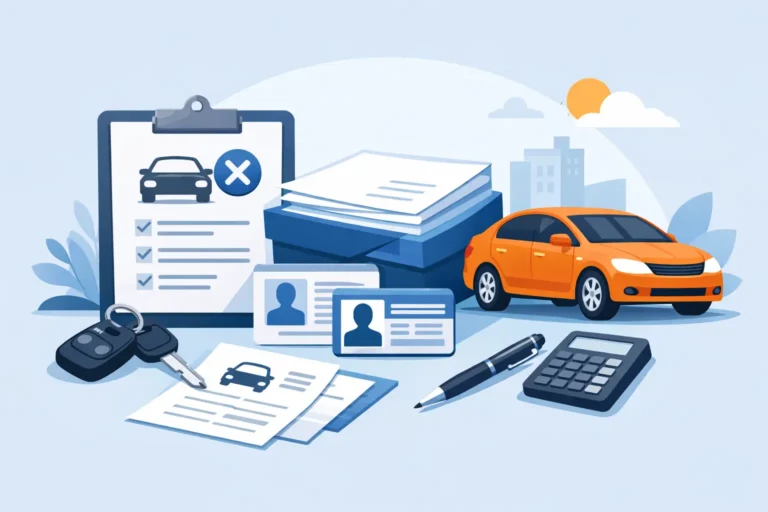
The most helpful items are proof of ownership, a photo ID, any registration or deregistration paperwork, and the vehicle identification number. Proof of ownership may be a previous registration document, purchase receipt, bill of sale, insurance paperwork, finance settlement letter, or other record connecting you to the vehicle.
If you have the old license plates, keep them separate and ask the relevant registration authority what should happen to them. Do not assume plates should stay on the car just because it is being towed away. Requirements can vary depending on where the vehicle was registered and whether it has already been formally deregistered.
Proof of ownership matters most
A buyer needs reasonable confidence that the person selling the vehicle is entitled to do so. This protects everyone involved. It helps prevent the sale of a stolen vehicle, a car still subject to another person’s claim, or a vehicle that was left on a property without the owner’s permission.
Your name on an older registration record is useful, but it is not the only possible proof. If you bought the car from a family member, inherited it, or lost the original paperwork, explain that early. Supporting records may still help establish a clear ownership trail.
If the vehicle belongs to a company, trust, estate, or partnership, the person arranging the sale should be authorized to do so. Bring identification and any paperwork that shows the business or estate has the right to dispose of the vehicle. Commercial vans, trucks, buses, and machinery often need a little more verification than a privately owned sedan.
Record the VIN and vehicle details
The VIN is one of the most useful pieces of information for a deregistered vehicle. It allows the buyer to identify the correct model and check whether the vehicle details match the paperwork. You can usually find it on a plate near the windshield, inside a door frame, in the engine bay, or on vehicle documents.
When asking for a quote, provide the make, model, year, condition, location, and whether it starts or rolls. Mention major damage, missing parts, flat tires, fire damage, flood damage, or access issues. A car buried behind a shed needs a different collection plan from one parked at the curb.
Clear photos are also valuable. Take pictures of the front, rear, both sides, interior, odometer if visible, VIN area where safe, and any major damage. Honest photos help avoid a price change caused by information that was not disclosed beforehand.
What if You Have Lost the Documents?
Lost paperwork does not always stop you from selling a deregistered vehicle, but it can limit the options available. A reputable buyer should ask questions rather than make promises they cannot keep. Be prepared to show photo ID and provide any details you remember, including the plate number, VIN, approximate purchase date, and previous owner information.
There is a difference between missing paperwork and unclear ownership. If you simply cannot find an old registration record but can show you bought and maintained the vehicle, there may be a practical path forward. If you do not know who owns the car, it is still financed, it was abandoned on your property, or the VIN appears altered, stop and seek advice from the appropriate authority before trying to sell it.
Never sign a statement you know is untrue to speed up removal. A fast sale is only useful when the ownership side is handled properly.
Remove Your Personal Items Before Collection
Documents are not the only thing to prepare. Before the tow truck arrives, check the glove box, center console, trunk, under the seats, and sun visors. Old cars often contain registration records, insurance letters, service receipts, toll tags, garage remotes, work tools, prescription items, and personal information.
Remove anything you want to keep, including custom stereos or accessories that are not part of the sale. If the vehicle contains parts you plan to remove, tell the buyer before accepting the quote. A missing catalytic converter, wheels, battery, or engine can significantly affect value.
Also make sure there is safe access for the tow truck. Move other vehicles, unlock gates, let tenants or neighbors know if needed, and point out hazards such as steep driveways, soft ground, low branches, or narrow entrances. These details help make free vehicle removal genuinely quick rather than turning into a return visit.
Get a Quote That Matches the Real Condition
The best quote is not just the highest number mentioned over the phone. It is a clear offer based on the actual vehicle, its condition, available paperwork, and pickup location. Ask whether towing is included, whether there are any collection fees, and when payment is made.
For a deregistered car, value can depend on far more than whether it runs. Popular models may be worth more for recycled parts. Vehicles with intact engines, transmissions, body panels, wheels, or electronics can have value even after a failed inspection or expensive repair estimate. On the other hand, severe rust, stripped components, or difficult access can reduce the offer.
Quick Cash For Cars buys vehicles in all conditions and can arrange pickup for cars, vans, utes, 4WDs, trucks, buses, and more. Provide accurate details from the start, and you are far more likely to receive a fair offer that holds when the collection team arrives.
A Simple Way to Avoid Delays
Put your ID, ownership records, vehicle details, and keys in one place before booking collection. Then confirm the pickup address, tell the buyer about access, and make sure the vehicle is available at the agreed time. If the car has no keys, no wheels, or is blocked in, say so when you request the quote.
You do not need to spend weeks chasing every old receipt before dealing with an unwanted vehicle. Start with the deregistered car documents you can find, disclose what is missing, and choose a buyer that can assess the situation honestly. A clear ownership trail and an accurate description can turn a driveway problem into a paid pickup without adding more stress to your week.