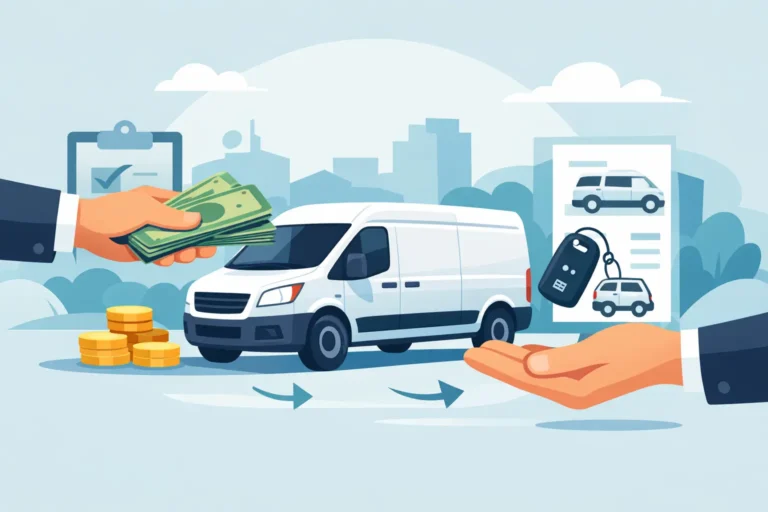
A van that will not start, has failed inspection, or costs more to repair than it is worth can sit in the way for months. Getting cash for vans is a practical alternative to paying for repairs, posting ads, meeting strangers, and arranging a tow yourself. You provide the van details, accept an offer that works for you, and have it collected with payment made at pickup.
For homeowners, tradespeople, delivery operators, and small businesses, the main benefit is simple: turn an unwanted vehicle into money and reclaim the space it is taking up. Whether your van is running, damaged, deregistered, scrap, or completely dead, it may still have value.
When selling a van for cash makes sense
A private sale can work well for a late-model van in good shape with a service history and a current registration. But it is rarely the easiest route when the vehicle has major mechanical trouble, accident damage, rust, missing parts, or a failed transmission. Buyers shopping privately usually want a vehicle they can drive away. They may negotiate hard, fail to show up, or expect you to reduce the price after inspecting it.
Selling to a cash vehicle buyer is often the better option when speed and convenience matter more than chasing the highest possible retail price. This is especially true when the van is no longer earning its keep. Every extra week it sits unused can mean lost parking space, ongoing storage costs, registration concerns, or another repair bill.
Cash buying is also useful for commercial operators clearing out older fleet vehicles. A business may have a retired delivery van, a work van damaged on site, or several vehicles that are no longer economical to maintain. Selling them as-is can clear the yard quickly without assigning staff to create listings, answer calls, and manage inspections.
What affects cash for vans offers?
No two vans have exactly the same value. The best offer depends on what the vehicle is, what condition it is in, and which parts or materials can be recovered. Giving clear, honest details upfront helps you receive a more accurate quote and prevents surprises at collection.
The make, model, year, and engine type all matter. Popular vans can hold value because their engines, gearboxes, panels, wheels, interiors, and electrical components are in demand. Even a non-running van may contain reusable parts that can be tested, recovered, and supplied to drivers who need affordable replacements.
Condition matters too. A van with a blown engine is different from one that has light front-end damage but runs well. Significant rust, flood damage, missing catalytic converters, stripped interiors, and incomplete vehicles can affect the price. That does not mean the van has no value. It simply means the offer will be based more heavily on scrap metal, recyclable materials, and any remaining usable components.
Location and access can also be relevant. A van parked in an open driveway is generally easier to collect than one blocked behind other vehicles or stuck in a tight backyard. A professional buyer can usually work through access issues, but it is best to mention them when requesting a quote.
How to get cash for vans in three simple steps
The process should not feel complicated. A reliable vehicle buyer will explain what they need, confirm the offer, and arrange collection around your schedule.
1. Share the van details
Start with the make, model, year, location, and general condition. Mention whether it starts, whether it has been in an accident, and any major faults you know about. If the van is deregistered, has no keys, has flat tires, or is missing parts, say so from the beginning.
You do not need to diagnose every mechanical issue. Plain details such as “engine won’t crank,” “rear doors damaged,” or “transmission slipping” are enough to begin. If you have photos, they can help confirm the condition faster.
2. Receive and review your offer
A quote should be clear and based on the details you provided. Ask whether towing is included and whether there are any collection, paperwork, or administration charges. Free removal matters because paying a separate tow truck can take a noticeable bite out of what you receive.
The highest advertised number is not automatically the best deal. Look at the full arrangement: the actual payment offered for your van, whether collection is free, how quickly the buyer can arrive, and whether payment is made on the spot. A slightly lower offer with no towing charge and same-day pickup may leave you better off than a higher figure with hidden costs.
3. Arrange pickup and get paid
Once you accept, choose a suitable collection time. Have any ownership or vehicle documents available if you have them, and remove personal belongings from the cabin, glove box, under-seat storage, and cargo area. Do not forget old work tools, delivery equipment, toll tags, business paperwork, or garage remotes.
At pickup, the team verifies the vehicle matches the description and completes the agreed process. With Quick Cash For Cars, collection is free and payment is made on the spot, so you are not left waiting for a buyer to transfer funds after the van has gone.
Vans we can buy in almost any condition
Many owners assume a buyer will only want a clean, running van. That is not the case. Vehicles have value beyond their ability to drive. A van may be purchased for recycling, dismantling, parts recovery, or scrap processing depending on its condition.
Cash buyers commonly purchase work vans, cargo vans, minivans, delivery vans, panel vans, fleet vehicles, and older commercial vans. They can also take vehicles with engine failure, transmission trouble, crash damage, rust, electrical faults, fire damage, expired registration, or failed inspections.
A van does not need to be repaired before you sell it. In fact, repairing an older vehicle just to make it easier to sell can be a poor financial decision. If the repair cost is close to, or more than, the van’s likely resale value, selling it as-is can be the sensible move. The exception is a newer, desirable van with a minor fault, where a straightforward repair could substantially increase its retail value.
Avoid these common mistakes before collection
Do not spend money on cosmetic fixes unless you know they will increase the offer by more than they cost. A deep clean may make a private listing more appealing, but it will not transform a severely damaged or non-running van into a retail-ready vehicle.
It is also wise not to accept a vague quote that changes when the tow truck arrives. A trustworthy buyer asks the right questions before scheduling pickup. If the vehicle condition changes from what was described, the offer may need to change too. But if you have been upfront, there should be no last-minute pressure or surprise fees.
Before handing over the van, remove your plates if required in your area, cancel any insurance you no longer need, and keep a record of the sale. Businesses should also check the van for company property and make sure any fleet records are updated. A few minutes of preparation can prevent an annoying problem later.
Why recycling an old van is a practical choice
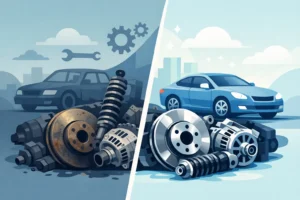
Sending an end-of-life van through a professional buyer does more than clear space. Usable components can be recovered for resale, helping other vehicle owners avoid the cost of buying new parts. Metals and other materials can also be processed for recycling rather than left to deteriorate in a driveway, lot, or backyard.
This matters most with vans because they often contain a large amount of recoverable material. Doors, mirrors, wheels, engines, alternators, transmissions, seating, lights, and body panels may all have value if they are in usable condition. What cannot be reused can be handled through the appropriate recycling process.
If your van is taking up room, draining money, or no longer safe to drive, you do not have to keep waiting for the perfect private buyer. Get a clear quote, confirm free removal, and turn the vehicle into cash on a timeline that works for you.