A dead car in the driveway is more than an eyesore. It takes up space, can leak fluids, and leaves you with a problem that gets harder to deal with every month. If it will not start, has failed a repair quote, or is no longer worth keeping, cash for cars can be a straightforward way to clear it out and get paid without arranging a tow yourself.
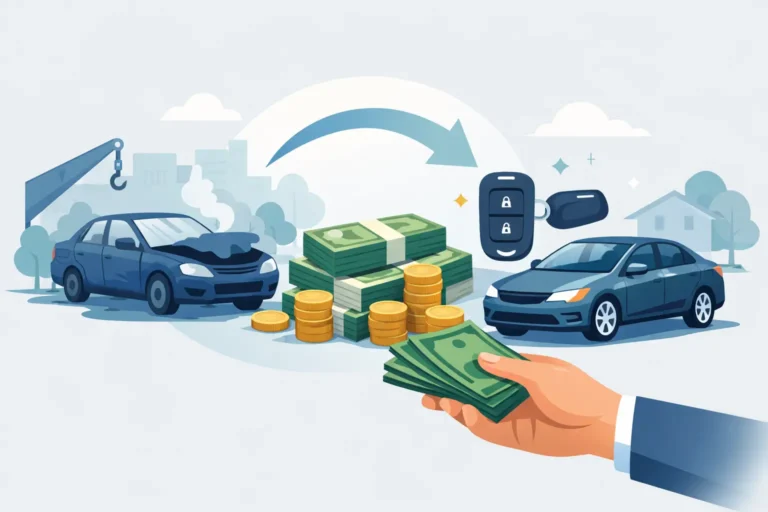
For many owners, the best option is not spending weeks listing the vehicle, answering messages, and hoping a private buyer turns up. It is getting a clear quote, arranging collection, handing over the vehicle, and receiving payment on pickup. That approach can work for running cars, but it is especially useful for damaged, deregistered, scrap, and non-running vehicles.
What cash for cars means in practice
Cash for cars is a vehicle-buying service that purchases unwanted vehicles in a wide range of conditions. The buyer assesses the make, model, age, condition, location, and recoverable value of the vehicle, then provides an offer. If you accept, the vehicle is collected and payment is made as agreed.
The key difference from a private sale is convenience. A private buyer may want a road test, current registration, a clean interior, and proof that the car needs little work. A vehicle buyer or wrecker is equipped to assess a car for usable parts, metal value, and resale potential. That means a blown engine, accident damage, flat tires, or a missing warrant may not stop the sale.
It does not mean every vehicle has the same value. A late-model ute with panel damage may be worth considerably more than a severely rusted sedan. But both can be removed without you having to spend money getting them to a workshop, auction, or scrapyard.
What affects the amount you are offered?
Owners often ask for one exact figure before sharing any details. That is understandable, especially when the vehicle is sitting unused and you want it gone today. A fair quote, however, depends on what the buyer can recover from the vehicle and what it costs to collect it.
Make and model matter because popular vehicles can have strong demand for recycled parts. Toyota, Mazda, Nissan, Honda, Ford, Mitsubishi, Subaru, Suzuki, Holden, BMW, and many other common makes may hold value beyond their scrap weight if their engines, transmissions, body panels, lights, wheels, or interior parts can be reused.
Condition matters too, but not in the same way it does for a private sale. Be honest about major damage, missing components, mechanical faults, flood exposure, accident history, and whether the vehicle starts. Clear information helps the buyer give a more accurate offer and prevents surprises at collection.
The vehicle type can also change the result. Vans, 4WDs, utes, trucks, buses, and machinery may contain more material or parts value than a small passenger car. On the other hand, difficult access, remote collection, extensive fire damage, or a vehicle that has been stripped of key components can affect the price. The quickest way to find out is to provide the vehicle details and request a quote rather than guessing from online listings.
When selling an unwanted vehicle makes more sense than repairing it
A repair is worth considering when it extends the useful life of a reliable vehicle at a reasonable cost. Replacing worn brakes, tires, or a battery is different from paying for an engine rebuild on a vehicle with rust, transmission trouble, and repeated electrical faults.
Start with the repair estimate. Then consider what the vehicle would realistically be worth once repaired, how long the work will take, and whether other issues are likely to follow. If the repair bill is close to or higher than the vehicle’s market value, selling it may be the more practical call.
This is common with cars that have failed inspections, have been in an accident, or have sat unused for a long time. A vehicle can become a money drain quickly when it needs towing, diagnostic work, parts, labor, registration, and insurance before it can return to the road. Selling it as-is gives you a clean break and frees up space for the next vehicle or another priority.
A simple way to get your vehicle collected
The process should be clear from the first call. You should not need specialist automotive knowledge or a trailer. Provide the year, make, model, condition, location, and a brief description of any faults or damage. If you know whether it runs, has keys, or is complete, mention that as well.
After receiving a quote, confirm the pickup time and make sure the payment method is clear. A professional buyer should explain whether removal is free and whether there are any charges that could reduce the agreed amount. Ask directly if the quoted price includes towing. There should be no confusion when the truck arrives.
Before collection, remove personal belongings from the glove box, center console, trunk, door pockets, and under the seats. Check for garage remotes, documents, toll tags, spare phones, tools, child seats, and anything stored in the trunk. It is also wise to keep your ownership and vehicle paperwork ready, where required, so the transfer or disposal can be handled properly.
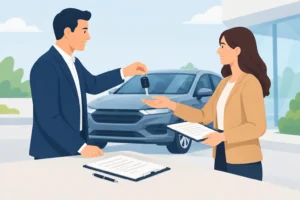
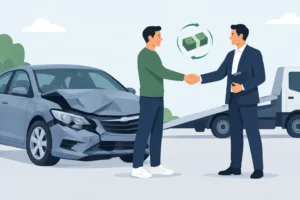
At pickup, confirm the vehicle being collected matches the quote details, complete the necessary paperwork, receive payment, and let the collection team load it. For a non-running vehicle, this saves you from finding a tow company first and paying for transport before you know whether the vehicle will sell.
Why free removal matters
Towing is easy to overlook until you call for a price. A car that will not start may need a flatbed, a winch, or extra care if it is blocked in, has locked wheels, or has been sitting for years. Those costs can take a large bite out of the money you expected to receive.
Free vehicle removal changes the equation. Instead of paying to move an unwanted car to a buyer, the buyer comes to you. This is particularly helpful for vehicles parked at home, left at a business yard, stranded after a breakdown, or taking up room at a repair shop.
For commercial owners, the convenience can be even greater. A business may need to clear an old fleet van, accident-damaged ute, retired truck, or non-operational machinery without pulling staff away from daily work. A scheduled pickup keeps the job moving while avoiding the back-and-forth of multiple private buyers.
What happens after a vehicle is sold?
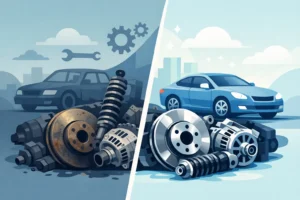
Not every unwanted vehicle is crushed. Vehicles with usable components can be dismantled, with parts inspected and supplied for future repairs. This keeps serviceable engines, gearboxes, panels, lights, wheels, and smaller components in use rather than sending everything straight to waste.
Recycled parts can be a sensible choice for motorists and workshops repairing older vehicles. They can be more affordable than new parts, particularly for discontinued models or cosmetic items such as doors, mirrors, bumpers, and trim. Availability always depends on what is in stock, and the correct part number or vehicle details matter, but reuse is often a practical solution.
The remaining materials can be processed for recovery. That is one reason even a vehicle that looks beyond repair may still have value. It is not just an old car taking up space. It may contain recoverable metal and components that can serve another purpose.
Questions to ask before you accept an offer
A quick sale should still be a clear sale. Ask whether the quote is based on the details you provided, whether collection is free, when pickup can happen, and how payment will be made. If the vehicle is far from the road, missing keys, or difficult to access, raise that before booking so the right equipment can be arranged.
It is also reasonable to ask what documents you should have ready. Requirements can vary depending on the vehicle’s status and your location, especially if it is deregistered or owned by a business. A reliable buyer will tell you what is needed without making the process complicated.
Quick Cash For Cars is built for owners who want that practical, no-fuss outcome: a quote based on the vehicle, free collection, and payment when the vehicle is picked up. Whether it is a broken family car, an old work van, or a damaged 4WD, the goal is to remove the hassle rather than add another job to your list.
If the vehicle has been sitting there long enough that you no longer notice it, that is usually the sign to act. Get the details together, ask for a clear quote, and turn that unused space into something useful again.