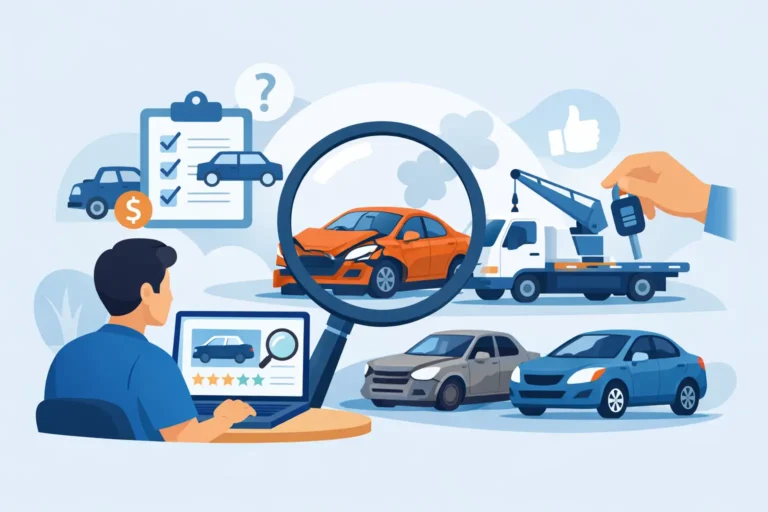
A dead car in the driveway creates one urgent question: who will actually take it away, pay what they promised, and not leave you chasing answers? Car wrecker reviews can help you sort reliable buyers from businesses that make big claims but add delays, fees, or confusion when collection day arrives.
Reviews are useful, but the star rating alone does not tell the full story. A five-star comment that only says “great service” is nice, yet it does not prove how the company handled payment, a non-running vehicle, or a last-minute pickup change. The details inside the reviews are where the real value is.
What Good Car Wrecker Reviews Should Tell You
The best reviews describe the complete experience, not just the initial quote. Look for customers who explain what vehicle they sold, whether it was running, how quickly it was collected, and whether payment matched the agreed amount. A review from someone with a damaged sedan or old SUV is far more useful if your own vehicle is in a similar condition.
For vehicle sellers, four themes matter most: fair pricing, free removal, reliable timing, and straightforward payment. You want repeated evidence that the wrecker arrived when arranged, loaded the vehicle without creating extra work for the owner, and paid on pickup.
A business will not always offer the same amount for every vehicle. The value depends on make, model, age, condition, reusable parts, weight, demand, and location. However, reviews should show that customers understood why they received their offer. Clear communication matters more than a vague promise of the highest possible price.
Look for payment details, not just “good cash” claims
Many customers use a wrecker because they need their old vehicle gone and want money quickly. Read comments for specific phrases such as “paid on collection,” “the offer was honored,” or “no surprise deductions.” Those details indicate a process that is built around getting the transaction finished properly.
Be cautious if several reviewers say the price dropped dramatically after the tow truck arrived, especially when there was no new information about the vehicle. A genuine adjustment can happen if the owner described the car incorrectly or key parts are missing. But a pattern of unexplained price changes is a reason to call another buyer.
Check whether free towing really means free
A non-running car should not force you to pay for a tow before you can sell it. Reviews should confirm that the business arranged collection and removed the vehicle without a separate towing bill.
Pay close attention to reviews from people with cars in difficult spots, such as a tight driveway, apartment parking area, workshop, or rural property. These situations reveal whether the company communicates clearly about access, towing equipment, and pickup timing. A professional operator asks the right questions before dispatching a truck, rather than showing up unprepared.
Watch for evidence of speed and follow-through
Same-day service is valuable when a broken vehicle is blocking a garage, taking up a rental property space, or sitting at a business yard. But “same day” depends on your location, the time you call, the vehicle type, and tow-truck availability. Reviews can show whether the company manages expectations honestly.
A reliable pattern sounds like this: the customer received a quote, chose a pickup window, got a confirmation, and the driver arrived as arranged. Occasional delays can happen because of traffic, weather, or an earlier difficult recovery. What matters is whether the company contacted the customer early and offered a realistic update.
How to Read Negative Reviews Fairly
No service business with a meaningful number of customers will have perfect feedback. One bad review is not automatically a deal-breaker. Read it carefully and look for facts rather than frustration alone.
Was the complaint about something the business could control, such as missed calls, late payment, unexpected charges, or a driver who did not arrive? Or was it a disagreement about vehicle value after the customer expected more than the car was worth? A 20-year-old vehicle with major mechanical faults, no registration, and missing parts will not command the same offer as a running, complete model.
Also check whether the company responds to criticism. A calm, practical response that explains the issue and offers to resolve it is a good sign. An argumentative response, or no response to repeated complaints about the same problem, deserves more caution.
Do not ignore patterns. If multiple reviews mention the same issue over several months, treat it as part of the service experience. Repeated complaints about unanswered phones, delayed pickups, or quoted prices changing on arrival are more meaningful than one isolated comment.
Reviews for Used Auto Parts Need Different Checks
Car wreckers do more than buy unwanted vehicles. They also recover and sell usable parts, which can save drivers and repair shops money on common repairs. When reading reviews for recycled parts, focus on accuracy, condition, availability, and support after the sale.
A used alternator, door, mirror, engine component, or transmission may be a practical choice, but condition matters. Strong reviews often mention that the staff confirmed the part number, checked vehicle compatibility, or explained the part’s condition before payment. That is especially helpful for European and late-model vehicles, where a small variation can mean a part does not fit.
Ask whether the part comes with any warranty or return terms before you buy. Used parts are not new parts, and a reasonable policy recognizes that fitment errors or hidden faults can occur. Be clear about your vehicle’s year, model, engine size, transmission type, and VIN when available. The more accurate your details are, the less likely you are to order the wrong component.
For larger parts, also ask about collection or delivery arrangements. A good review may mention helpful loading assistance or secure packaging, but you should still confirm the details for your own order.
Use Reviews Alongside a Few Direct Questions
Reviews should narrow your choices, not replace a quick conversation. Once you find a wrecker with consistent, detailed feedback, ask direct questions about your vehicle. You do not need specialist knowledge. Give an honest description of the make, model, year, condition, damage, location, and whether you have the keys and ownership paperwork.
Before accepting an offer, confirm the amount, whether towing is free, when payment is made, and what the driver needs from you at pickup. If the vehicle is deregistered, accident-damaged, missing wheels, or not accessible by a standard tow truck, say so upfront. Clear information helps the buyer give a realistic quote and prevents collection-day surprises.
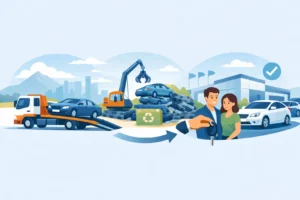
Quick Cash For Cars follows the straightforward process most sellers want: provide the vehicle details, receive a quote, arrange collection, and get paid when the vehicle is picked up. That kind of clarity is exactly what positive reviews should reflect.
Signs You Have Found a Wrecker Worth Calling
The strongest car wrecker reviews are usually specific, recent, and consistent. They describe respectful communication, a clear quote, a capable driver, free removal, and payment completed without hassle. They do not need to be overly polished to be believable. In fact, practical details from ordinary vehicle owners often carry more weight than generic praise.
Compare a few recent reviews across more than one platform if possible, then trust what the repeated details tell you. A business that makes selling a damaged, unwanted, or end-of-life vehicle simple is worth more than one that advertises a huge number but creates problems at every step.
Your car may be old, broken, deregistered, or beyond economical repair, but selling it should still be simple. Choose the wrecker whose reviews show they respect your time, explain the deal clearly, and turn an unwanted vehicle into a finished job.