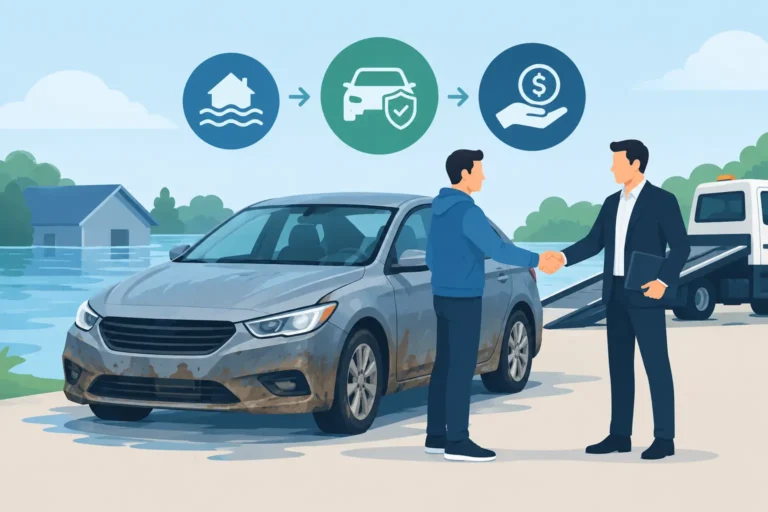
A flood can turn a reliable car, ute, van, or truck into a headache overnight. If you need to sell flood damaged vehicle quickly, the safest route is to be upfront about the damage and deal with a buyer that can collect it where it sits. You do not need to spend more money trying to make a water-damaged vehicle look road-ready before you sell it.
Floodwater can damage far more than carpets and seat fabric. It can affect the engine, transmission, wiring, brakes, safety systems, and electronics. Even if the vehicle starts today, corrosion and electrical problems may show up later. That is why selling it honestly for its parts, scrap, or recovery value is often the practical call.
Can You Sell a Flood Damaged Vehicle?
Yes. A flood-damaged vehicle can still have value, even when it is no longer safe, economical, or legal to drive on the road. Wreckers, recyclers, and vehicle buyers may purchase it for usable parts, metal recovery, or repair projects.
The key is clear disclosure. Tell the buyer that the vehicle has been in floodwater, whether it was fresh water or saltwater, how high the water reached, and whether it currently starts or drives. Saltwater exposure is usually more serious because it speeds up corrosion, particularly in wiring, connectors, brake components, and underbody parts.
Do not try to hide flood damage with a deep clean, new carpet, or air freshener. Apart from creating problems for the next owner, it can make the sale harder if the buyer discovers water marks, mud in hidden areas, rust under seats, or electrical faults during inspection.
When Selling Is Better Than Repairing
Some flood-damaged vehicles are worth repairing. If water only reached the floor mats, the vehicle was switched off before water entered the engine, and a qualified mechanic confirms the major systems are sound, repair may be possible. The final decision depends on the vehicle’s age, condition before the flood, insurance position, and estimated repair cost.
But repair bills add up quickly when water reaches electronics. Modern vehicles have control modules, sensors, wiring harnesses, airbags, cameras, and infotainment systems throughout the cabin. Replacing one failed module may be manageable. Chasing intermittent electrical faults for months is not.
Selling usually makes more sense when the engine has taken in water, the cabin was fully submerged, the water was salty or contaminated, the vehicle has mold growth, or repair estimates are close to or above its pre-flood value. It can also be the better option when the vehicle is deregistered, uninsured, or stranded in a driveway with no safe way to move it.
What Affects the Value of a Flood Damaged Vehicle?
A flood-damaged vehicle is not priced like a clean, running used car. Its value comes down to what can still be safely recovered and reused. A buyer will normally consider the make, model, year, mileage, vehicle type, demand for parts, overall condition, and the extent of water exposure.
A late-model Toyota, Ford, Mazda, Nissan, Honda, Subaru, BMW, or Mitsubishi may still be worth more than an older vehicle if its panels, wheels, engine components, transmission, doors, lights, and interior parts are usable. Commercial vehicles can also carry strong value because trays, bodies, diesel components, wheels, and mechanical parts may be in demand.
Be realistic about condition. A vehicle that starts is not automatically worth more if the electrical system is unreliable. On the other hand, a non-running vehicle can still have value if it has good panels, a desirable engine, or popular parts. The quickest way to get an accurate offer is to provide honest details from the start.
How to Sell a Flood Damaged Vehicle Without the Hassle
The process should be simple: get a quote, arrange collection, and receive payment when the vehicle is picked up. You should not have to organize a tow truck, pay removal fees, or risk driving a water-damaged vehicle across town.
1. Gather the basic details
Before requesting a quote, have the make, model, year, registration or VIN, location, and a short description of the flood damage ready. Mention whether it starts, whether it can roll, and whether the keys are available. If you know the water level reached the dashboard, seats, or engine bay, say so.
Photos can help, especially if there is visible interior damage, rust, mud, or missing parts. They give the buyer a clearer picture and reduce surprises at pickup.
2. Check your paperwork and insurance status
Keep proof that you own the vehicle available. Depending on your location and the vehicle’s status, this may include registration documents, title paperwork, photo ID, or an insurance settlement record. If an insurer has declared the vehicle a total loss, confirm whether the insurer owns it or whether you have retained it before arranging a sale.
Remove personal belongings from the glove box, center console, trunk, under-seat storage, and door pockets. Also take out garage remotes, parking passes, and any documents containing personal information.
3. Be honest about the water damage
Clear information protects everyone. State when the flooding happened, whether the vehicle was running at the time, and whether it has been inspected or repaired since. A reputable buyer expects flood damage to affect the price, but they should still give you a straightforward offer based on the vehicle’s recoverable value.
Avoid signing anything you do not understand or accepting vague promises about payment. Confirm the agreed amount, whether removal is free, and how payment will be made before collection is booked.
4. Arrange safe, free collection
Do not attempt to drive a flood-damaged vehicle if the brakes, steering, engine, tires, or electrical systems are questionable. It may not be safe, and it could create further damage.
A vehicle-buying service with towing can collect cars, vans, utes, 4WDs, trucks, buses, and machinery from homes, workshops, yards, or commercial sites. Quick Cash For Cars can provide a quote, arrange free removal, and pay on pickup, so you are not left finding transport for a vehicle that may not run.
Should You Sell It Privately or to a Wrecker?
A private sale may appear to bring a higher price, but it carries more risk with flood damage. You will need to advertise the vehicle, answer questions, arrange viewings, disclose the full condition, and manage buyers who may walk away once they see the extent of the damage. You may also need to organize towing if it cannot be driven.
Selling to a wrecker or professional vehicle buyer is usually faster and more predictable. The offer may reflect parts and scrap value rather than retail value, but free collection and immediate payment can make it the better overall deal. This is especially true when the vehicle is taking up space, has mold or odor, or needs to be removed before repairs to your property can begin.
Common Mistakes to Avoid
Do not start the engine if there is any chance water entered the intake or engine. Water inside an engine can cause severe internal damage. It is also wise not to connect a battery or try to test every electrical function after significant flooding, as damaged wiring can create faults or safety concerns.
Do not strip valuable parts off unless you understand how it will affect the offer. Removing wheels, catalytic converters, batteries, panels, or mechanical parts can lower the amount a buyer is willing to pay. If you plan to keep anything, mention it before accepting the quote.
Finally, do not leave the vehicle sitting for months hoping the problem will improve. Moisture, corrosion, mold, and seized components tend to get worse with time. The sooner you decide whether to repair or sell, the more control you have over the outcome.
A flood-damaged vehicle does not have to become a permanent fixture in your driveway. Give accurate details, choose a buyer that can tow it safely, and turn an expensive problem into cleared space and money in hand.