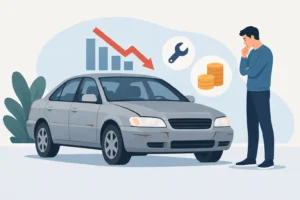
A dead car in the driveway is not just taking up space. It can be tying up money, leaking fluids, missing parts, or becoming harder to move every month it sits there. Vehicle recycling NZ gives owners a straightforward way to clear it out, get paid, and make sure the vehicle is handled properly – even if it will not start, is deregistered, damaged, or beyond repair.
For most owners, the best option is not trying to find a private buyer for a car that needs major work. It is getting a clear quote from a buyer that accepts all conditions, arranges free removal, and pays at collection. That applies to old family cars, work vans, accident-damaged utes, 4WDs, trucks, buses, and selected heavy machinery.
What Vehicle Recycling NZ Actually Means
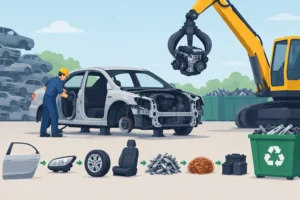
Vehicle recycling is more than crushing an old car for scrap metal. A vehicle is assessed first for reusable parts, recoverable materials, and its overall condition. Components that still have useful life can be removed and supplied to motorists, mechanics, and repair shops. The remaining shell and materials can then be processed for recovery.
That matters because many unwanted vehicles still contain value. An engine may be worn out while the doors, mirrors, lights, wheels, transmission, seats, panels, or electronics remain usable. Even a badly damaged vehicle may have parts worth recovering. The final payout depends on the vehicle, but recycling gives it a practical next step when repairs no longer make financial sense.
It also saves you from organizing a tow truck, finding a place to take a non-running vehicle, or dealing with buyers who lose interest when they see the real condition of the car. A professional vehicle buyer handles the collection side so you do not have to.
How Vehicle Recycling NZ Works
The process should be quick and clear. You provide the basic details, receive a quote, then arrange a collection time that works for you. There is no need to repair, clean, register, or deliver a vehicle before asking for a price.
1. Tell the buyer what you have
Start with the make, model, year, location, and condition. Mention whether it runs, has accident damage, is deregistered, has missing parts, or has been sitting for a long time. For commercial vehicles, include the vehicle type and whether it can be safely accessed by a tow truck.
Accurate details help produce a more reliable quote. You do not need mechanical knowledge. A plain description such as “won’t start,” “front-end damage,” or “engine is seized” is enough to begin.
2. Arrange free vehicle removal
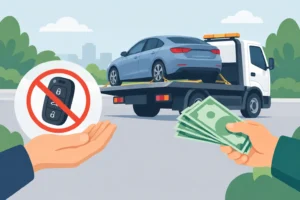
Once you accept the offer, collection can be booked from your home, workplace, workshop, farm, parking area, or storage site. Same-day pickup may be available depending on the location, vehicle access, and towing schedule.
Free removal is a major benefit for dead or damaged vehicles. Paying independently for a tow can quickly reduce what you get back, especially when the vehicle is far from a dismantler or cannot be driven. Confirm there are no pickup charges before booking.
3. Complete the handover and get paid
At collection, the team checks the vehicle against the details supplied and completes the required ownership paperwork. Payment is made at the agreed handover stage, and the vehicle is loaded and removed.
Have any available proof of ownership, keys, and vehicle documents ready. Requirements can vary depending on the vehicle’s registration status and ownership history, so it is worth asking what you need before pickup day. If keys or documents are missing, say so upfront rather than leaving it until the truck arrives.
What Affects the Cash Offer?
There is no single price for an end-of-life vehicle. Two similar cars can have very different values based on their condition and the demand for their parts. The vehicle’s make, model, age, location, weight, completeness, and damage all play a part.
A popular Toyota, Mazda, Nissan, Honda, Ford, Mitsubishi, Subaru, Suzuki, Holden, BMW, or other common make may have stronger parts demand than a less common model. A complete vehicle with usable panels, wheels, interior components, and mechanical parts can also be worth more than one that has already been stripped.
Scrap-metal value matters, but it is only one piece of the calculation. A running vehicle with a major repair issue may have valuable components. On the other hand, a vehicle with severe fire damage, major corrosion, or missing engine and transmission parts may be valued mainly for its material weight.
Be honest about the condition when requesting a quote. It prevents delays and helps ensure the payment offered is realistic. A good buyer will explain what information they need without making the process complicated.
Why Proper Recycling Is Better Than Letting It Sit
An unused vehicle does not improve with age. Tires go flat, batteries fail, seals dry out, and weather can turn a manageable problem into a complete write-off. If fluids leak onto a driveway, yard, or workshop floor, the cleanup becomes another job you did not want.
Proper dismantling separates reusable components from materials that need specialist handling. Batteries, oils, coolants, tires, and other vehicle materials should not simply be left to deteriorate in a backyard. Recycling helps keep usable parts in service and reduces the need for new replacement parts where a quality used part will do the job.
There is a practical cost benefit too. Recycled auto parts can be a sensible option for older vehicles, especially when a brand-new part is expensive or difficult to source. The right used part can keep a reliable vehicle on the road without turning a basic repair into a large bill.
Recycled Parts Can Be the Smart Repair Option
Buying recycled parts is not always the right choice. Safety-critical parts, components with unknown wear, and items that require a specific warranty may be better purchased new. But for many repairs, used parts are a cost-effective solution.
Body panels, doors, mirrors, lights, wheels, interior trim, engines, transmissions, and many mechanical components may be available from dismantled vehicles. The key is matching the part correctly to your vehicle and confirming its condition before purchase. Mechanics and experienced DIY owners often choose recycled parts when the savings are meaningful and the part is suitable for the repair.
Quick Cash For Cars buys unwanted vehicles and recovers usable parts, helping turn an unwanted car into value for both the seller and the next vehicle owner.
When It Is Time to Recycle Your Vehicle
Recycling is usually the sensible move when repair costs exceed the vehicle’s value, the car has failed repeatedly, it is too damaged to drive safely, or it has become a permanent fixture in the driveway. It can also be the right answer for commercial operators clearing old vans, trucks, utes, or machinery that no longer earns its keep.
You do not need to wait until the vehicle becomes impossible to move. Asking for a quote early gives you options. If the offer works for you, book the pickup, complete the handover, and reclaim the space the vehicle has been taking up.
An unwanted vehicle does not need to become another long-running job. Get the details together, ask for a clear quote, and choose a pickup time that gets it out of your way and puts value back in your hands.