A repair bill is frustrating. A repair bill that keeps coming back every few weeks is a different problem. The top signs a car is uneconomical to keep are not always dramatic, such as a blown engine or a major crash. Often, they show up as a steady drain on your bank account, your time, and your patience.
For some owners, repairing an older vehicle is the right call. A reliable car with one known issue can be worth fixing. But when the costs stack up, the vehicle is no longer dependable, or it is sitting unused in your driveway, selling it can be the smarter move.
Top Signs a Car Is Uneconomical to Keep
The question is not simply, “Does this car still run?” It is whether the car is giving you enough value for what you are spending on it. Look at the full picture: repairs, fuel, registration, insurance, downtime, and the risk of another failure right after the latest fix.
Repairs keep coming back
One expensive repair does not automatically mean it is time to sell. Replacing tires, brakes, a battery, or a worn belt is normal ownership. The concern starts when one repair leads directly to another, or when the same warning light and fault keep returning.
For example, you may replace a radiator, then find the engine has overheating damage. You may repair a transmission issue, then discover electrical faults, suspension wear, and a failing air-conditioning system. At that point, you are not maintaining a dependable vehicle. You are chasing problems.
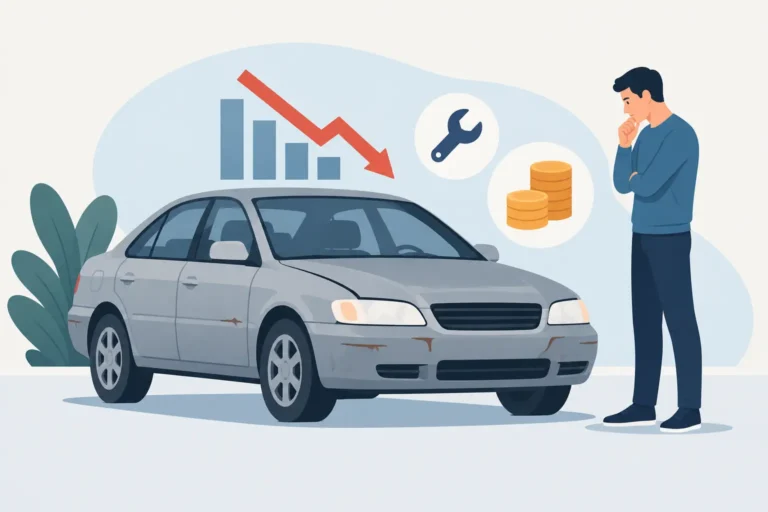
Add up what you have spent over the last six to 12 months, then compare it with the vehicle’s current market value. If the repair total is close to, or higher than, what the car is worth, continuing to spend may not make financial sense.
The car is worth less than the next repair
This is one of the clearest signs. Say your vehicle is worth $2,000 in working condition, but it needs an engine repair quoted at $3,500. Even if the repair gets it running again, there is no guarantee another age-related problem will not appear next month.
A repair can still be reasonable when the vehicle has low mileage, is otherwise in good shape, and suits your needs. But if the estimate exceeds the car’s value, or consumes a large part of what you could put toward a replacement, it is usually time to consider selling it as-is.
It uses far too much fuel
Fuel costs can turn a cheap older car into an expensive daily driver. If you are constantly filling the tank, a vehicle with poor mileage may be costing you far more than you notice week to week.
This is especially relevant for older SUVs, vans, trucks, and large-engine vehicles that are no longer being used for the work they were built to do. Paying heavy fuel costs for short errands, commuting, or school runs can be hard to justify. A mechanical issue such as a failing sensor, clogged injector, or transmission problem can also cause fuel use to rise, adding another repair decision to the mix.
It is unreliable when you need it most
A car that starts only sometimes is not reliable transportation. Neither is one that overheats in traffic, stalls at intersections, loses power on the highway, or needs frequent jump-starts.
Breakdowns create costs beyond the mechanic’s invoice. You may lose work time, miss appointments, pay for rides, arrange alternate transportation, or face an unexpected tow. For a business owner, a van, truck, or ute sitting idle can also mean missed jobs and lost income.
When you no longer trust the vehicle for a normal trip, its practical value has dropped sharply. Keeping it because it might run tomorrow can become more expensive than letting it go.
Safety problems are growing
Some faults should not be delayed. Serious brake issues, structural rust, worn steering components, damaged suspension, airbag warnings, and severe tire wear can make a vehicle unsafe to drive.
Safety repairs are worth making on a vehicle that is otherwise sound. The trade-off changes when the car has several major issues at once. If it needs brakes, tires, suspension work, body repairs, and an engine diagnosis, the combined bill may be more than the vehicle can justify.
Do not keep driving an unsafe car just to avoid making a decision. If it cannot be safely repaired at a reasonable cost, arranging removal and selling it in its current condition is often the sensible option.
Hidden Costs That Make a Car Uneconomical
The repair invoice is only part of the cost. An older vehicle can also demand time, storage space, and attention that are easy to overlook. A dead car parked in a garage, yard, or driveway is still taking up room. If it is deregistered, damaged, or has not run for months, its condition can worsen while it sits.
There is also the opportunity cost. Money spent keeping an unreliable vehicle alive could go toward a more dependable replacement, household expenses, or your business. This does not mean every older car should be sold. It means you should make the decision based on numbers, not the money you already spent on past repairs.
That past spending is gone either way. The useful question is: what will this vehicle likely cost from today forward?
A Simple Way to Decide: Repair, Keep, or Sell
Start with a current repair estimate from a mechanic. Ask what must be fixed now, what is likely to need attention soon, and whether the vehicle is safe to drive. Then check the value of the car if it were running properly and compare that figure with the total work required.
Next, consider your situation. If you need reliable transport every day, a vehicle with repeated faults has a higher cost than one that is only used occasionally. If it is a work vehicle, calculate the income you lose when it cannot operate. If you already have another vehicle and the old one is simply taking up space, continuing to hold onto it may have little benefit.
It can help to set a firm limit before you authorize more work. For example, you may decide not to spend more than a certain percentage of the car’s value on the next repair. This avoids making a rushed decision after another breakdown.
When Repairing Your Car Still Makes Sense
Selling is not always the best answer. Repairing may be worthwhile when the problem is isolated, the vehicle has been reliable, and the rest of the car is in good condition. A newer vehicle with a failed alternator or a well-maintained truck that needs routine suspension work can be worth the investment.
It may also be worth repairing a car that has a strong resale value, low mileage, a clean body, and service records. The key difference is confidence. You should know what you are paying for and have a realistic reason to expect dependable use afterward.
If the mechanic cannot give that confidence, or the vehicle has multiple major faults, putting more money into it becomes a gamble.
What to Do With an Uneconomical Car
If you decide not to repair it, you do not need to pay to keep an unwanted vehicle on your property. Gather the basic details: make, model, year, condition, location, and whether it runs. Be honest about damage and missing parts so you can receive an accurate quote.
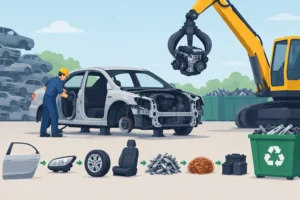
A vehicle buyer that accepts all conditions can purchase cars, vans, SUVs, trucks, and other vehicles whether they are running, damaged, deregistered, or ready for dismantling. Quick Cash For Cars can arrange free removal and payment at collection, so you do not have to organize transport for a vehicle that cannot be driven.
A car does not have to be completely dead before it becomes uneconomical. If every new noise makes you worry about the next bill, get the numbers, make a clear decision, and free up your money and space for something more dependable.