A breakdown on the side of the road is stressful enough without trying to figure out who can take the vehicle, what it will cost, or whether you need to stay with it. Knowing how to arrange roadside vehicle removal means you can make a safe decision quickly, give the towing team the right information, and get your car, truck, van, or SUV out of the way without unnecessary delays.
The priority is always safety. Once everyone is out of immediate danger, a reliable removal provider can handle the practical part: towing the vehicle to your home, a repair shop, a storage location, or a recycling facility if it is no longer worth fixing.
Start With Safety, Not the Phone Call
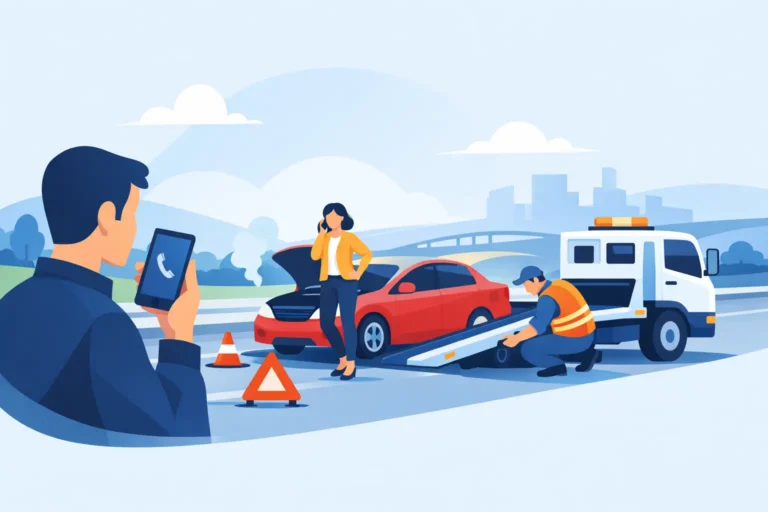
If your vehicle has stopped in traffic, on a narrow shoulder, around a blind corner, or anywhere with fast-moving vehicles, get yourself and passengers to a safer location if you can do so without risk. Turn on hazard lights. If it is safe to exit, stand well away from traffic and do not remain between your vehicle and the road.
Call emergency services first if there has been an accident, anyone is injured, the vehicle is creating a major traffic hazard, or there is a fuel leak, smoke, or fire risk. In some areas, police or road authorities may need to manage the scene before a tow truck can collect the vehicle. A vehicle removal company is there to move your car, not to replace emergency responders.
For a routine mechanical breakdown in a safe location, you can contact a roadside removal provider directly. If you have roadside-assistance coverage, check whether it includes towing and whether it limits the distance or destination. A free tow through your membership may be useful, but it can be restrictive if the vehicle needs to go farther than the covered distance or if you want to sell it as-is.
How to Arrange Roadside Vehicle Removal
The fastest removals happen when the towing company has clear details from the start. You do not need to know the mechanics of the problem. Simply explain what happened, where the vehicle is, and whether it can roll and steer.
When you call or request a quote, be ready to provide the vehicle’s make, model, year, and general condition. Let the team know if it has been in an accident, has a flat tire, will not start, is missing wheels, is locked, or is parked in a difficult position. These details determine the right truck, equipment, and collection method.
Your exact location matters just as much. Give the road name, nearest intersection, direction of travel, landmark, and a pin location if your phone allows it. “Near the gas station” can be helpful, but “on the eastbound shoulder, 200 yards past the gas station entrance” is much better. If the vehicle is on private property, tell the driver about gates, low clearances, steep driveways, or access restrictions.
Finally, confirm where the vehicle is going. You may want it taken to a mechanic for repairs. If the repairs cost more than the vehicle is worth, you may prefer to sell it for cash and have it removed for recycling. A buyer that accepts damaged, dead, deregistered, and end-of-life vehicles can often make the process easier by combining the offer, payment, paperwork, and tow in one visit.
Ask About the Cost Before You Confirm
Do not assume all towing is free. Tow pricing can depend on distance, vehicle size, recovery difficulty, time of day, storage requirements, and whether special equipment is needed. A standard sedan on an accessible shoulder is different from a loaded work van in a ditch or a truck with a damaged axle.
Ask directly whether removal is free, whether there are call-out or after-hours charges, and whether the quoted price includes loading and transport. If you are selling the vehicle, confirm whether the offer is the amount you will actually receive when it is collected. Clear answers upfront prevent an unpleasant surprise when the truck arrives.
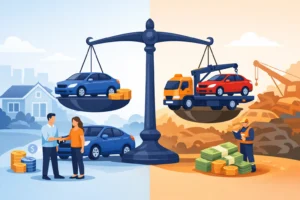
There is also a trade-off between the quickest available tow and the best financial outcome. If your vehicle is repairable and has strong resale value, a mechanic or insurer may be the right next call. If it is old, badly damaged, non-running, or simply no longer worth the repair bill, arranging a cash-for-cars pickup may put money in your hand while clearing the vehicle at no towing cost.
Get the Vehicle Ready for Collection
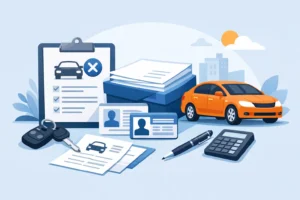
Once removal is booked, take a few minutes to prepare. Remove personal belongings from the glove box, center console, trunk, under-seat storage, and any work compartments. Check for garage remotes, documents, tools, sunglasses, child seats, toll tags, and anything tucked into door pockets.
Keep the keys available if you have them. A tow team can still collect many vehicles without keys, but advance notice is essential. If the vehicle is being sold, have your photo ID and ownership paperwork ready where required. Requirements vary by location and vehicle status, so ask the buyer or tow provider what documentation they need before collection.
If you can safely do so, take a few photos of the vehicle’s condition and note the odometer reading. This is especially sensible after an accident, when an insurer is involved, or when someone else will handle the handover. Do not try to repair, push, or reposition a vehicle in an unsafe roadside situation just to make the tow easier. Tell the operator the truth about its position instead.
Choose the Right Removal Option
Not every roadside pickup has the same purpose. The right service depends on what you need after the vehicle leaves.
A tow to a repair shop is best when the vehicle is likely worth fixing and you need a diagnosis. This is common for a dead battery, overheating issue, puncture, or no-start problem where the repair may be straightforward.
An insurance-directed tow may be necessary after a collision, particularly when there is significant damage or a claim is being opened. Follow the insurer’s instructions where possible, but still make sure you know where the vehicle will be stored and whether storage fees apply.
A vehicle-buying and removal service makes sense when you have decided not to repair the vehicle. Quick Cash For Cars can arrange collection for unwanted cars, vans, utes, 4WDs, trucks, buses, and machinery in a wide range of conditions. Instead of paying to have an unusable vehicle towed away, you can request a quote, agree on the offer, and arrange pickup with payment at collection.
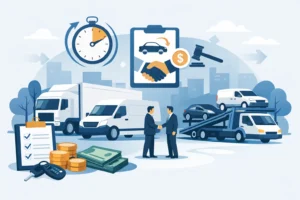
For commercial vehicles, be especially clear about size, weight, load status, and site access. A work truck, bus, or piece of machinery may need different equipment than a family car. If the vehicle carries tools, stock, or business records, remove them before the driver arrives.
What to Expect When the Tow Truck Arrives
A professional operator should confirm the vehicle details, assess the pickup point, and explain how the vehicle will be loaded. They may use a flatbed, wheel lift, winch, or other recovery equipment depending on the condition and location of the vehicle.
Stay clear while loading is underway. The area around a winch cable, ramps, and moving vehicles is not a place for passengers, pets, or bystanders. If you have concerns about the destination, payment, or paperwork, raise them before the vehicle is loaded rather than after it is already on the truck.
If you are selling the vehicle, confirm the agreed amount and payment method before handing over the keys and documents. Make sure you receive any receipt or confirmation that applies to the transaction. If the vehicle is going to a repair shop, ask for the shop’s address and phone number to be noted correctly on the job.
Common Delays You Can Avoid
The biggest delays usually come from missing information, not the actual tow. A wrong location, inaccessible vehicle, undisclosed damage, or no available keys can all change the equipment needed and the pickup time.
You can keep the job moving by answering your phone, keeping hazard lights on if the battery allows, and watching for calls from the dispatch team. If you must leave the scene for safety, tell the company where the keys are, who is authorized to release the vehicle, and how the driver can identify it.
A quick, honest description saves time. Saying a car “just needs a tow” when it is locked, sitting on flat tires, or partly off the road does not make the problem disappear. It only makes the first truck less likely to be prepared.
When a vehicle has failed at the roadside, you do not need to solve every problem on the spot. Get safe, share accurate details, confirm the price and destination, and let a properly equipped removal team take it from there. The sooner you make that call, the sooner the road, your driveway, or your worksite is clear again.