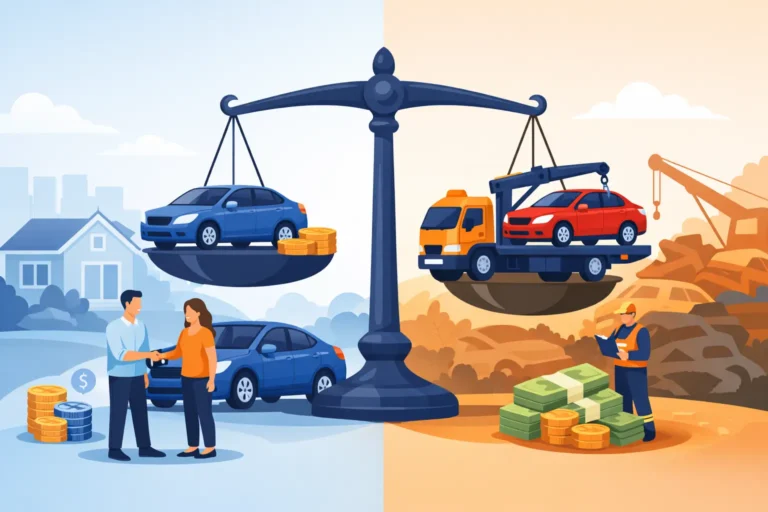
A car that will not start in the driveway has a way of becoming urgent fast. It takes up space, can attract complaints, and keeps costing you time every time you think about arranging repairs or a buyer. When weighing a private sale versus wrecker, the better option comes down to one question: is your vehicle worth the extra time, expense, and uncertainty of selling it yourself?
A private sale can bring more money for a tidy, roadworthy vehicle with real resale demand. A wrecker is often the faster, simpler choice for a damaged, dead, deregistered, high-mileage, or unwanted vehicle. Knowing where your car fits can save you from weeks of messages, no-shows, and unexpected towing bills.
Private Sale Versus Wrecker: The Real Difference
A private sale means advertising the vehicle, answering inquiries, arranging viewings, negotiating a price, and completing the ownership paperwork with the buyer. You stay in control of the asking price, but you also take on the work and risk involved in finding the right buyer.
Selling to a wrecker means selling directly to a business that buys vehicles for reusable parts, metal, and recycling. The vehicle does not need to be running, registered, clean, or ready for a test drive. A reputable buyer gives you a quote based on the vehicle’s make, model, age, condition, location, and recoverable parts, then arranges collection and payment.
Neither route is automatically better. A late-model car with a sound engine and only minor cosmetic work may earn more in a private sale. A collision-damaged SUV with a blown transmission may technically have a market, but that does not mean a private buyer will pay enough to make the process worthwhile.
When a Private Sale Can Pay More
Private selling usually makes sense when the car is safe to drive, presentable, and desirable in its current condition. Buyers shopping privately often want a practical vehicle they can use immediately. If yours starts reliably, has current paperwork, and does not need major work, you have a stronger case for advertising it.
You may also get a better return if the vehicle is a popular model, has low mileage for its age, comes with service records, or has features that private buyers actively want. A clean Toyota, Ford, Mazda, Honda, or Subaru with no major mechanical faults can attract interest if it is priced realistically.
The extra money is not guaranteed. Your advertised price is only an asking price until someone pays it. Private buyers may negotiate hard after a test drive, point out every scratch, or ask you to hold the vehicle while they arrange finance. Some will simply not show up.
Before choosing this route, account for the full cost. You may need to pay for cleaning, a safety inspection, minor repairs, registration-related costs, advertising, or transport if the vehicle cannot be driven. If it takes a month to sell, that is a month of calls, messages, appointments, and space lost on your property.
When a Wrecker Is the Better Deal
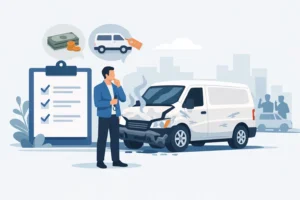
A wrecker is usually the practical choice when repair costs are higher than the car’s realistic resale value. This commonly applies to vehicles with engine failure, transmission trouble, severe rust, accident damage, flood damage, missing parts, or expired registration. It also suits owners who have already bought another vehicle and need the old one gone now.
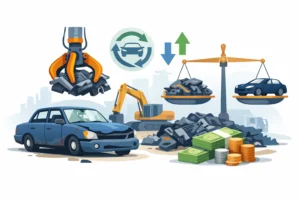
The key benefit is that the buyer values more than a vehicle’s ability to drive. Useful doors, panels, wheels, lights, electronics, interiors, engines, gearboxes, and other components can still have value. When parts cannot be reused, the remaining metal can be recycled responsibly.
That means a non-running car is not automatically worthless. Vans, utes, 4WDs, trucks, buses, and even certain heavy machinery may still qualify for a cash offer, depending on their condition and recoverable materials.
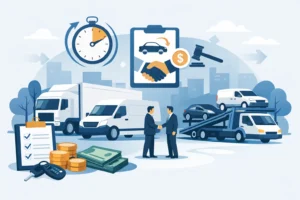
For many owners, free removal changes the numbers. A tow for a dead vehicle can be expensive, especially when it is stuck at a home, workshop, roadside location, or commercial yard. With a vehicle wrecker that includes pickup, you avoid arranging transport before you can sell. The vehicle is collected from you, and payment is made when the deal is completed.
Quick Cash For Cars buys vehicles in all conditions and can arrange free removal, making it a straightforward option when the priority is getting an unwanted vehicle out of the way without added fees.
Price Is Only Part of the Value
It is easy to compare a private buyer’s possible price with a wrecker’s quote and assume the higher number wins. But the right comparison is your final amount after costs, effort, and risk.
Say you think you can sell an older car privately for $3,000. It needs $700 in repairs to be saleable, $150 for a tow, and several weekends of cleaning and meeting buyers. If the eventual buyer talks you down to $2,500, the extra return may be small. If the car fails to sell, you are still left with the same problem.
Now consider a cash offer from a wrecker that includes collection. It may be lower than the best-case private sale price, but it is a firm, immediate outcome. There are no test drives, no repair bill just to make the car attractive, and no need to wait for a stranger to follow through.
A wrecker’s quote is particularly competitive when the car is not roadworthy. Private buyers for damaged vehicles tend to be mechanics, rebuilders, or parts buyers. They know the risks and will often negotiate based on the cost of towing, repairs, and parts. You may spend a lot of time reaching the same figure a professional vehicle buyer can offer from the start.
Time, Safety, and Convenience Matter
Private selling requires you to deal with people you do not know. Most buyers are genuine, but you still need to protect yourself. Meet in a safe place where possible, do not hand over keys before payment is confirmed, and be careful with anyone who pressures you to accept unusual payment arrangements.
You also need to be honest about the vehicle’s condition. Be clear about known faults, previous damage, and whether it is registered and drivable. Hiding problems can lead to disputes and wasted time when buyers arrive expecting something different.
A wrecker removes much of that friction. You provide the basic vehicle details, receive a quote, agree on a collection time, and have the vehicle picked up. This is especially useful if the car is blocked in, has flat tires, has been sitting for years, or cannot legally or safely be driven.
If you run a business, speed can be even more valuable. An old work van, damaged ute, unused truck, or failed machinery unit takes up operating space and can create a safety issue. A direct sale with scheduled removal is often more useful than holding out for a private buyer who may never arrive.
How to Choose the Right Option for Your Vehicle
Start with an honest assessment rather than the price you hoped to get when the vehicle was running. Ask whether it starts, drives, brakes safely, and can be legally transferred without complications. Then consider what it would cost to make it appealing to a private buyer.
If the vehicle is in decent condition and you have time to manage the sale, check current private listings for similar vehicles. Compare only with cars of a similar year, mileage, condition, and registration status. A low advertised price on another listing does not prove it sold, and a high advertised price does not mean buyers will pay it.
If the vehicle is damaged, dead, deregistered, or simply not worth fixing, request a wrecker quote before spending money on repairs or towing. Give accurate details, including the make, model, year, condition, missing parts, and your location. Honest information helps the buyer give a fairer quote and prevents surprises at collection.
Keep your ownership documents and identification ready. Remove personal items from the glove box, trunk, console, and under-seat storage. Take out your toll tags, parking passes, and any removable accessories you want to keep. If you are selling privately, use a secure payment method and complete the transfer process promptly. If you are selling to a wrecker, confirm what paperwork is needed before pickup.
Common Questions About Selling to a Wrecker
Can I sell a car to a wrecker if it does not run?
Yes. Non-running vehicles are a standard part of the wrecker business. The value may come from usable parts, scrap metal, or both. Tell the buyer that it does not run so they can bring the right towing equipment.
Do wreckers buy accident-damaged or deregistered vehicles?
In most cases, yes. Accident damage and deregistration often make a private sale harder, but they do not prevent a vehicle from having parts or recycling value. The final offer depends on the type and extent of damage.
Should I repair my car before selling it?
Only if the repair cost is likely to add more to the sale price than it costs you. For major mechanical issues, repairing an older vehicle can quickly become poor value. Get a repair estimate and a vehicle-buying quote before committing money.
How quickly can an unwanted vehicle be removed?
That depends on your location and collection availability, but same-day pickup may be possible. If speed matters, have the vehicle details, location, and ownership information ready when you request a quote.
Do not let an unwanted vehicle become another expensive job on your list. If it is still a good driver, a private sale may reward your effort. If it is broken, damaged, or taking up room, get a clear cash quote and choose the option that gets it gone on your terms.