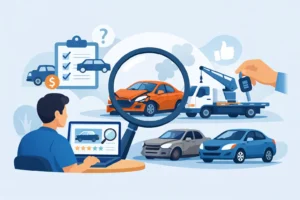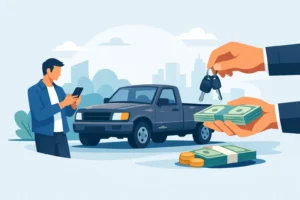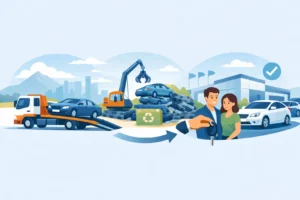
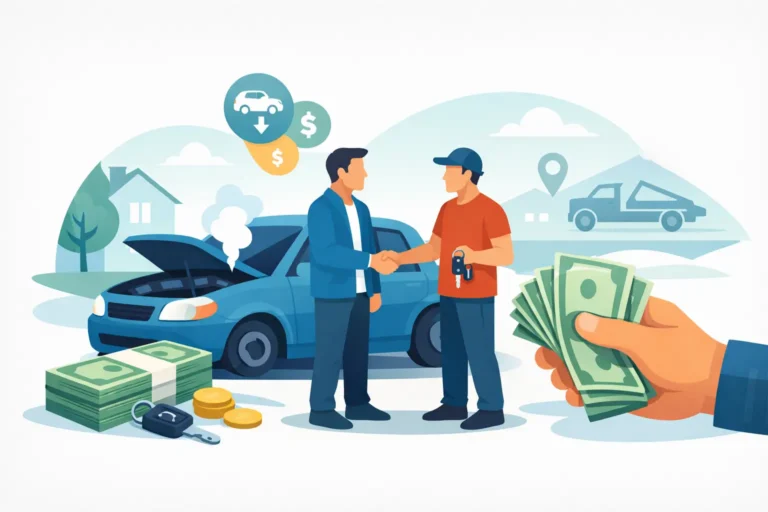
A car that will not start can turn into an expensive driveway ornament fast. It may have a dead engine, failed transmission, accident damage, or a repair bill that makes no financial sense. If you are asking how to sell a nonrunning car, the good news is that you do not need to fix it first or arrange a tow yourself. The right buyer can assess it as-is, collect it from your property, and pay you without adding another task to your week.
Start by deciding whether repair is worth it
Before you sell, get clear on why the car is not running and what it would take to get it back on the road. You do not need a full workshop diagnosis, but any details you have will help you get an accurate quote. A car with a flat battery has a different value from one with a seized engine or serious collision damage.
Think about the total cost, not just the first repair estimate. An older vehicle with engine trouble may also need tires, brakes, registration work, or other maintenance once it is running again. If repairs cost more than the vehicle would be worth afterward, selling it as-is is often the practical move.
Nonrunning vehicles still have value. Their weight, salvageable parts, wheels, body panels, batteries, catalytic converters, and recyclable metal can all matter. Popular makes and models may be worth more to a wrecker because there is steady demand for tested used parts.
Know what affects a nonrunning car’s value
A buyer cannot give a fair price based on “it does not run” alone. Be ready to share the vehicle’s make, model, year, trim, mileage, condition, and location. Explain what happened as plainly as you can. For example, say whether it stopped running after overheating, was damaged in an accident, has been sitting for years, or simply has an unknown mechanical fault.
The vehicle’s completeness also affects the offer. A car with its engine, transmission, wheels, catalytic converter, and major body parts intact will generally be worth more than one that has already been stripped. Service history can help, but it is not essential for a scrap or damaged-car sale.
Location matters because a buyer has to collect the vehicle. That is why free towing is more than a nice extra. A nonrunning vehicle may cost a surprising amount to move privately, especially if it is blocked in, has flat tires, or needs a winch. Ask upfront whether pickup is included in the quoted price and whether there are any collection charges.
How to sell a nonrunning car without paying for towing
The simplest route is to contact a vehicle buyer or auto wrecker that buys cars in all conditions and provides removal. This avoids the two biggest problems with a private sale: finding a buyer willing to take on a broken vehicle and getting the car to them.
When requesting a quote, provide accurate information. Do not claim the car runs if it does not, and do not hide accident damage or missing parts. Honest details let the buyer send the right truck, bring the right equipment, and make an offer that is less likely to change at pickup.
A straightforward sale usually follows three steps:
- Request a quote. Give the vehicle details, describe its condition, and state where it is located.
- Book collection. Agree on a pickup time that works for you. Confirm the vehicle can be accessed and ask what paperwork to have ready.
- Get paid and release the vehicle. The buyer inspects the car, completes the transfer details, pays the agreed amount, and loads it for removal.
Quick Cash For Cars buys unwanted, damaged, deregistered, and nonrunning vehicles, with collection and payment arranged as part of the service. That matters when the vehicle cannot leave your driveway under its own power.
Prepare the car before pickup
You do not need to wash, repair, or detail a car that is being sold as-is. Still, a few minutes of preparation protects you and keeps collection moving.
Remove personal items from the glove box, center console, trunk, under the seats, and door pockets. Check carefully for garage remotes, sunglasses, documents, toll tags, tools, and spare keys. Clear your phone from the vehicle’s Bluetooth system and remove any saved addresses from the navigation unit if it has one.
Gather the ownership paperwork you have, along with photo identification and any keys. Requirements vary by state and buyer, so ask what is needed before the truck arrives. If the car is financed, leased, inherited, or registered to someone else, sort out the ownership position first. A legitimate buyer will want to know who has authority to sell it.
If the vehicle is parked in a tight spot, move other cars, bins, trailers, or equipment out of the way if possible. Let the buyer know ahead of time if the tires are flat, the steering is locked, the car is in a garage, or access is difficult. These details are not a reason to avoid calling. They simply help the pickup team arrive prepared.
Compare offers the right way
The highest advertised number is not always the best deal. A quote only helps if it is clear, realistic, and includes every cost. Ask whether towing is free, whether there are administration or removal fees, how payment is made, and when you receive it.
A buyer may offer less after inspection if the vehicle is substantially different from the description. That is reasonable when major parts are missing or damage was not disclosed. It is not reasonable for a buyer to quote one figure over the phone, arrive with no explanation, and pressure you to accept far less. You can decline if the deal does not match what was agreed.
Private listings can sometimes bring more money for a desirable repairable car, especially if it is a sought-after model with a minor fault. But they also take time. You may need to answer messages, meet strangers, negotiate, arrange a tow, and deal with buyers who disappear after saying they are interested. For a severely damaged, dead, or end-of-life vehicle, a direct buyer is usually the faster and lower-stress option.
Avoid common mistakes when selling a dead car
Do not spend money on repairs just to make the car easier to sell unless you have done the math. Replacing an engine, transmission, or major electrical component can cost far more than the increase in sale value. A basic diagnosis may be useful, but an expensive repair is not automatically the best path.
Do not accept a quote without asking about pickup. Some buyers advertise a strong offer, then subtract towing, fuel, or collection costs later. Get the full arrangement confirmed before booking.
Also, do not hand over the car without recording the sale. Complete any required ownership transfer or release paperwork promptly. Keep a copy of the buyer’s details, the date, the vehicle identification number, and proof of payment. This small step can prevent future headaches involving tolls, tickets, or registration records.
Can I sell a car that does not start?
Yes. Buyers that specialize in damaged, scrap, and end-of-life vehicles regularly purchase cars that will not start. Give an honest description of the fault, and make sure the buyer can tow it from its current location.
Do I need to repair a nonrunning car before selling it?
Usually, no. Selling as-is is often the better choice when repairs are costly or uncertain. A buyer can value the vehicle for its reusable parts and recyclable materials without requiring it to be roadworthy.
What if my car is deregistered or badly damaged?
A deregistered or accident-damaged car can still be sold, provided you can show you have the right to sell it and meet the paperwork requirements in your area. Tell the buyer about its status when requesting a quote.
Will a buyer pick up a car with no wheels or flat tires?
Many professional removal services can collect difficult vehicles, but you should mention the condition before scheduling. A car with missing wheels, locked steering, or poor access may require specialized loading equipment.
A nonrunning car does not have to sit there while you keep weighing up a repair that may never happen. Get a clear quote, confirm free collection and payment details, and choose a pickup time that gets the space back in your driveway and cash back in your hands.