A truck that will not start, has failed its inspection, or costs more to repair than it is worth can become a costly problem fast. Truck wreckers NZ services give owners a practical way to clear it out, receive a fair payment, and avoid arranging transport for a vehicle that cannot move.
That applies to far more than old work trucks. Wreckers buy accident-damaged trucks, deregistered vehicles, rusted utes, fleet vans, worn 4WDs, buses, and commercial machinery in many conditions. If it is taking up space in a driveway, workshop, yard, or depot, there may still be value in it.
When a truck is better sold to a wrecker
Trying to sell a rough truck privately can make sense if it is roadworthy, presentable, and likely to attract a buyer. But it is often a poor use of time when the truck has major mechanical trouble, serious body damage, missing parts, expired registration, or a failed engine or transmission.
Private buyers usually want to test-drive the vehicle, negotiate repeatedly, and expect you to organize paperwork and viewing times. A non-running truck adds another issue: somebody has to pay for towing. That can turn a sale into a long, expensive job.
A reputable truck wrecker assesses the truck based on its make, model, condition, reusable components, metal content, and collection location. You do not need to repair it, clean it up for photos, or get it running before asking for a quote. The goal is simple: get the vehicle removed properly and get paid without extra stress.
What truck wreckers NZ can take
Most professional wreckers accept a broad range of light and commercial vehicles. This includes old pickups and utes, diesel trucks, delivery vans, flatbeds, box-body trucks, 4WDs, buses, and vehicles damaged by crashes, flooding, fire, or mechanical failure.
Condition is not usually a deal-breaker. A truck with a blown motor may have valuable panels, wheels, lights, doors, transmissions, diffs, interior parts, or electronic components. Even a severely damaged truck has scrap metal value. The final offer depends on what can be recovered, but an unwanted truck does not have to be in driving condition to be worth something.
Commercial owners can also use a wrecker when replacing aging fleet vehicles or clearing machinery from a site. Instead of leaving unusable equipment behind the workshop, you can arrange pickup and put the space back to work.
Trucks with no registration or inspection
A deregistered truck can be difficult to sell privately because the next owner may face extra costs before putting it back on the road. Wreckers are used to dealing with end-of-life and non-roadworthy vehicles. As long as you can show you are entitled to sell it and provide the necessary ownership details, lack of registration does not automatically prevent collection.
Be honest about the truck’s status when requesting your quote. Clear details help the buyer give a more accurate price and bring the right towing equipment.
How to get the best quote for your truck
You do not need specialist vehicle knowledge, but the more useful information you provide, the easier it is to receive a realistic quote. Start with the make, model, year, fuel type, and location. Then describe whether the truck starts, whether it rolls, and what major damage or missing parts it has.
Photos can help when damage is extensive, especially for accident vehicles or trucks with body rust. Mention anything that may affect access as well, such as a narrow driveway, a locked gate, flat tires, or a truck parked on soft ground. A professional operator can plan for these situations, but surprises at pickup may delay the job.
Do not assume a truck has no value because one expensive part failed. A cracked engine block may end the truck’s road life, but it does not make every other component useless. On the other hand, a complete truck with good tires, a sound body, and popular parts may attract a better offer than a stripped shell. Fair pricing depends on the full picture.
Free truck removal should be clear upfront
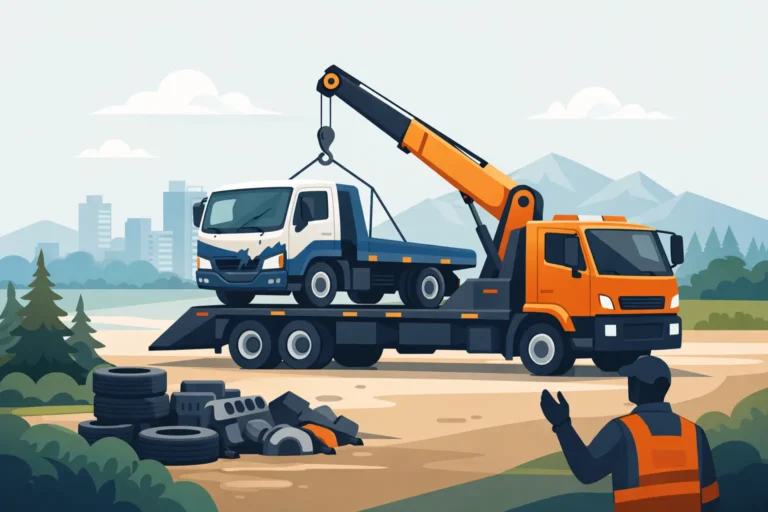
Collection is where many owners lose time and money. Heavy vehicles are not easy to move with a standard tow truck, and arranging separate transport can quickly reduce what you receive for the vehicle.
Ask whether removal is included in the quoted price before agreeing to anything. A straightforward truck-wrecking service should explain if pickup is free and confirm that there are no towing, inspection, or administration charges taken out at collection. You should know what you will be paid before the truck leaves your property.
Quick Cash For Cars provides quotes, free vehicle removal, and on-the-spot payment for unwanted vehicles across its service areas. That means owners can deal with one team rather than trying to coordinate a buyer, a tow operator, and a scrap yard separately.
What happens after your truck is collected
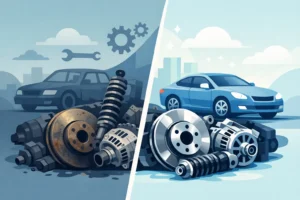
A responsible wrecker does more than crush every vehicle that arrives. The truck is inspected and dismantled so usable parts can be recovered for resale. Components such as engines, gearboxes, alternators, wheels, mirrors, lights, seats, doors, and suspension parts may be tested, sorted, and supplied to motorists, workshops, and DIY owners.
Fluids and hazardous materials need to be handled carefully, while metal from the remaining shell can be sent for recycling. This process reduces waste and gives usable parts a second life. For drivers repairing an older Toyota, Ford, Nissan, Mazda, Mitsubishi, Holden, Subaru, Honda, Suzuki, BMW, or other common vehicle, recycled parts can be a sensible way to manage repair costs.
Used parts are not always the right answer. For safety-critical repairs, specialized electronics, or components with uncertain history, a new part may be the better choice. But for many body panels, wheels, interior fittings, and mechanical items, quality recycled parts can be a practical option when they match the vehicle correctly.
A simple way to sell an unwanted truck
The process should not be complicated. First, request a quote and provide the basic truck details, condition, and pickup location. Next, agree on a collection time that works for you. Finally, the towing team collects the truck and payment is made as agreed.
Before pickup, remove personal belongings from the cab, glove box, toolboxes, and under-seat storage. Take out business documents, fuel cards, work gear, and any removable accessories you intend to keep. If the truck is part of a business fleet, make sure the person meeting the driver has authority to release it.
Keep your ownership and identification documents available. Requirements can vary by situation, particularly for deregistered or company-owned vehicles, so confirming this before collection avoids a wasted trip.
Choose a wrecker that makes the job easier
The best truck wreckers do not make vague promises and then add costs at the gate. Look for clear quotes, free removal, prompt communication, and a team that accepts the truck in its actual condition. If it is a large commercial vehicle, ask whether they have the equipment to collect it safely from your location.
Speed matters when a broken truck is blocking access or tying up yard space, but price is not the only consideration. A slightly higher offer is not worth much if the buyer fails to show up, expects you to deliver the truck, or changes the price after loading it. Clear terms and reliable pickup are part of a fair deal.
If an unwanted truck is sitting still and costing you space, get the details ready and ask for a quote. One call can turn a dead vehicle into cleared space, recycled materials, and money in hand.