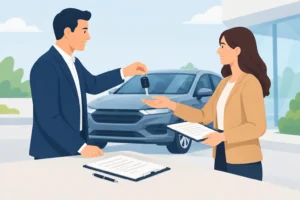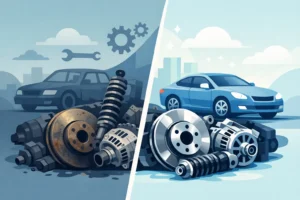

A driveway car that will not start, a wrecked ute after an accident, or an old van with expired registration is not worth the same as a tidy, road-ready vehicle. That is why an instant online car valuation NZ drivers receive should be based on the vehicle’s real condition, not just its make and year. For unwanted vehicles, the right quote gives you a clear next step: sell it, get it collected, and get paid without arranging repairs or towing.
What an Instant Online Car Valuation Really Tells You
An online valuation is a fast estimate of what a buyer may pay for your vehicle. It helps you decide whether selling makes more sense than spending more money on repairs, storage, registration, or transport.
For a clean, running car, market value is usually driven by age, mileage, service history, demand, and overall presentation. For damaged, non-running, deregistered, or end-of-life vehicles, the calculation changes. Buyers also consider usable parts, metal value, vehicle weight, the cost of collection, and whether the car can be dismantled safely.
That is why two vehicles of the same model can receive very different offers. A Toyota with engine trouble may still have valuable panels, a transmission, wheels, lights, and interior parts. A severely damaged vehicle may have less resale value, but it can still be worth money as scrap and recyclable material.
A quick valuation is useful, but it is not a promise that every vehicle will bring top retail price. A private buyer looking for a reliable daily driver pays differently from a professional vehicle buyer or wrecker. The best option depends on your vehicle’s condition and how quickly you need it gone.
What Affects Your Car’s Value in NZ?
The most accurate quote starts with honest details. There is no benefit in hiding accident damage or saying a vehicle runs when it does not. Clear information lets the buyer price the vehicle fairly and avoid surprises when collection is arranged.
The make, model, year, and vehicle type matter first. Common vehicles often have stronger parts demand because more people need replacements. Cars, vans, utes, 4WDs, trucks, buses, and machinery can all have value, even when they are no longer practical to drive.
Condition is the next major factor. A running car with a current WOF and registration may be suitable for resale. A car with a blown engine, failed transmission, rust damage, flood damage, or crash damage may be valued mainly for parts and scrap. Missing wheels, stripped interiors, and removed engines can lower the offer, but they do not always prevent a sale.
Location can also affect the process. If your vehicle is stuck at home, at a workshop, on a worksite, or in a rural area, you need a buyer that can organize collection. Free removal has real value because towing a non-running vehicle yourself can be expensive and difficult to arrange.
Instant Online Car Valuation NZ: Details to Have Ready
Getting a quote should not involve a long form or a technical inspection before anyone will talk to you. Still, a few basic details help produce a more useful number.
Have the registration plate, make, model, year, and your location ready. Be prepared to explain whether the vehicle starts, whether it can roll, and what major damage it has. If you know the mileage, engine size, or reason it is off the road, include that too.
Photos can help where available, especially for accident-damaged vehicles. A few clear images of the front, rear, sides, interior, and major damage give the buyer a better view of what they are pricing. You do not need professional photos. Phone pictures taken in daylight are usually enough.
If the vehicle has been deregistered, say so upfront. Deregistered does not mean worthless. It simply means it is less likely to be sold as a ready-to-drive vehicle and may be purchased for dismantling, recycling, or parts instead.
Know the Difference Between Retail Value and Removal Value
Many owners look up the asking prices of similar cars online and expect the same amount for theirs. That can be misleading. An online listing price is not the final selling price, and it usually applies to a vehicle that is cleaned, running, legal to drive, and ready for a new owner.
Selling privately can bring more money for the right car, but it takes time. You may need to pay for repairs, detail the vehicle, take calls, meet strangers, negotiate, and wait for a buyer. If the car is not running, you may also need to transport it before anyone can inspect it.
A vehicle-buying service offers a different deal. The payout may reflect the condition and recovery value of the vehicle, but it also includes a practical solution: pickup is organized, towing is handled, and payment is made when the vehicle is collected. For a dead car taking up space, that convenience can be worth more than chasing a higher number that may never materialize.
When Selling for Parts or Scrap Makes Sense
Repairing a vehicle is not always the smart financial move. If the repair bill is higher than the vehicle’s likely value after repair, selling it as-is can stop the money drain.
This often applies to cars with serious engine problems, transmission failure, structural rust, major accident damage, electrical faults, or repeated WOF failures. It can also apply to older commercial vehicles that are no longer reliable enough for business use. Every day an unusable truck or van sits on site can cost space, time, and attention.
A professional buyer can assess the vehicle’s recyclable materials and reusable parts. This gives old vehicles another purpose while saving you from arranging disposal on your own. It is a straightforward option for owners who do not want to strip parts, advertise them, or deal with multiple buyers.
A Fast Way to Sell an Unwanted Vehicle
The process should be simple from start to finish. First, provide your vehicle details and location to request a quote. Give an accurate description so the offer matches what is collected.
Next, agree on a pickup time that works for you. Same-day collection may be available depending on your location, vehicle type, and call time. If the car does not run, tell the team before booking so the right towing equipment can be sent.
Finally, have proof that you own the vehicle ready when the driver arrives. Once the details are confirmed, payment is made and the vehicle is removed. You do not need to spend your weekend trying to find a tow truck, arrange transport, or explain a broken car to private buyers.
Questions to Ask Before You Accept a Quote
A fast quote is only useful if the process is clear. Ask whether collection is free, whether there are any towing or administration charges, and when payment is made. You should know the answer before you agree to anything.
It is also worth confirming what happens if the vehicle is non-running, flat-tired, locked, missing keys, or located in a difficult spot. These issues can usually be handled, but they need to be disclosed early. Straight answers protect both you and the buyer from delays on pickup day.
Be cautious of quotes that sound high but come with vague conditions. A fair offer is one that matches the vehicle description and does not shrink unexpectedly when the truck arrives. Clear communication matters as much as the number itself.
Get a Quote Without the Hassle
An unwanted vehicle does not have to become a long-term problem in your yard, garage, workshop, or business site. Whether you have a broken car, accident-damaged ute, scrap van, deregistered 4WD, or old truck, getting an honest valuation is the first practical move.
Quick Cash For Cars buys vehicles in all conditions and can arrange free removal with payment on collection. The fastest way forward is to provide the real details, ask clear questions, and choose the option that gets the vehicle gone on terms that work for you.