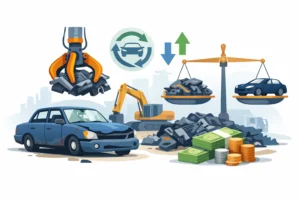

A broken work van parked behind the shop, three aging utes taking up yard space, or a truck that costs more to repair than it earns can quickly become a business problem. This commercial fleet disposal guide helps you move unwanted vehicles without wasting staff time, paying for unnecessary towing, or delaying your next operational decision.
For many business owners, selling fleet vehicles is not about getting the highest possible private-sale price. It is about reducing downtime, clearing space, recovering value, and getting the job handled properly. Whether you are replacing company vans, retiring accident-damaged trucks, clearing old machinery, or dealing with deregistered vehicles, a planned disposal process makes the job faster and less stressful.
When Fleet Disposal Makes Business Sense
A commercial vehicle does not need to be completely dead before it becomes a disposal candidate. The key question is whether keeping it still supports the business. If repair bills are rising, reliability is falling, or the vehicle no longer suits the work, it may be time to sell it rather than put more money into it.
This often happens when a company upgrades its fleet, changes service areas, loses a contract, or switches to different vehicle types. A plumber may no longer need an older large van. A construction company may have a damaged ute after a job wraps up. A delivery operator might have several vans with expired registrations and costly mechanical faults. Keeping these vehicles on site can tie up cash and create clutter without producing any return.
Disposal is also a practical choice for vehicles with major issues. Engine failure, transmission damage, accident damage, failed inspections, missing parts, or long-term non-running status can make a retail sale difficult. A buyer that accepts vehicles in all conditions can be a better fit than spending weeks advertising, answering messages, and arranging viewings.
Start With a Clear Fleet Inventory
Before requesting quotes, make a simple list of every vehicle you want to sell or remove. This prevents confusion when multiple vehicles, locations, and decision-makers are involved. Include the make, model, year, vehicle type, mileage if known, registration status, general condition, and whether it starts and drives.
Be upfront about significant faults. State if a truck has a blown motor, if a van has collision damage, or if machinery needs loading assistance. Accurate details lead to more realistic quotes and reduce surprises when the collection team arrives. Photos can help, especially for damaged vehicles, but they are not always necessary for an initial quote.
For a larger fleet, separate vehicles into three groups: those ready to sell and drive away, those that need towing, and those that may have recoverable parts or scrap value only. This helps you prioritize the vehicles that are costing you the most money or taking up the most room.
Check who can approve the sale
Commercial vehicles are often registered to a company, trust, partnership, or finance provider rather than an individual driver. Confirm who has authority to sell each asset before collection day. If the business has multiple directors or an operations manager handling the fleet, decide who will provide vehicle details, accept the offer, and receive payment.
It is also wise to check for outstanding finance or security interests. A disposal buyer cannot solve ownership problems after the fact. Sorting this out early keeps the transaction clean and avoids delays when you need the vehicles gone quickly.
Prepare Documents and Remove Business Items
Vehicle paperwork matters, but preparation does not need to become a major project. Have available any ownership or registration documents required in your area, along with company identification and the details needed to verify the person authorizing the sale. Requirements can differ by location and vehicle class, especially for trucks, buses, trailers, and heavy equipment.
Just as important is clearing the vehicle itself. Work vehicles often hold more than tools. Check glove boxes, center consoles, under-seat storage, service bodies, roof pods, and cargo areas for job paperwork, fuel cards, access fobs, customer information, toll tags, and company equipment.
Before handing over a vehicle, remove business branding where practical. Magnetic signs are simple to take off. Permanently applied graphics may not be worth removing from a damaged vehicle, but consider whether phone numbers, customer details, or outdated branding should remain visible. Also reset any navigation, telematics, dash camera, or connected-app accounts. A quick data check protects both the business and the next owner.
Compare Disposal Options by Total Cost, Not Just Offer Price
A private sale can make sense for a late-model fleet vehicle in good condition. If it is clean, reliable, registered, and in demand, advertising it may bring a stronger price. The trade-off is time. Your team may need to organize inspections, negotiate with buyers, handle test drives, and wait for payment to clear.
A trade-in can be convenient when you are buying replacements from the same dealer. However, it may not be the best choice for older, damaged, non-running, or mixed-condition vehicles. Dealers generally want stock they can resell easily, and a poor-condition fleet unit may be valued mainly as a problem to be moved.
A direct vehicle buyer or wrecker is often the practical option for end-of-life commercial vehicles. The value may be based on reusable parts, weight, demand for the model, and the condition of major components. What matters is the complete outcome: the offered payment, free removal, collection speed, and the fact that you do not need to repair or transport the vehicle yourself.
For businesses disposing of several units, ask whether vehicles can be collected from one yard or across multiple locations. A coordinated pickup can reduce disruption and stop your staff from spending several days moving vehicles around.
What Affects the Value of a Commercial Vehicle?
Fleet owners are often surprised that a non-running vehicle can still have value. Commercial vans, utes, trucks, buses, 4WDs, and heavy machinery may contain reusable engines, transmissions, panels, wheels, electronics, interiors, and other components. Even where major mechanical failure makes repair uneconomical, those parts can support a fair disposal offer.
The final amount depends on the vehicle’s make, model, year, condition, completeness, location, and current demand for parts and scrap material. A popular work van with a failed engine may be worth more than an uncommon vehicle with minor cosmetic damage because its doors, suspension, lights, interior components, and other parts are useful to other owners.
Be careful with online price estimates that assume a running, roadworthy vehicle. They can create unrealistic expectations for accident-damaged or deregistered units. A direct quote based on honest details is more useful than a high estimate that disappears once the buyer sees the vehicle.
Arrange Collection Around Your Operations
The best disposal plan is one that does not interrupt jobs, deliveries, or customer service. Choose a collection window when the vehicle is accessible and a staff member with approval authority can be present. Make sure towing access is clear, particularly for vehicles stored behind gates, in narrow yards, or near other equipment.
Tell the buyer if keys are missing, tires are flat, the vehicle is blocked in, or it has been sitting for years. These details do not automatically prevent removal, but they affect the equipment and time needed. A professional collection service should explain the process clearly rather than adding surprise pickup charges at the last minute.
Quick Cash For Cars can assess unwanted commercial vehicles, provide a quote, arrange free removal, and pay on collection. That can be particularly useful when a non-running vehicle cannot be driven to a buyer and your team has more pressing work to do.
Keep a simple disposal record
After the vehicle leaves, retain the sale paperwork, payment record, vehicle details, and any registration or asset updates required by your business. Your accountant may need the information for asset records, depreciation, tax reporting, or insurance adjustments. Notify your insurer promptly so you are not paying cover on a vehicle that is no longer part of the fleet.
If the vehicle carried company equipment or was assigned to an employee, update your internal records as well. This small step prevents fuel-card mistakes, toll charges, and awkward questions months later.
Avoid the Delays That Cost Fleet Owners Money
The most common mistake is waiting too long. Businesses often keep an unwanted vehicle because they intend to repair it “when things slow down.” Meanwhile, it occupies valuable space, loses more value, and becomes harder to move as batteries fail, tires deteriorate, and parts disappear.
Another mistake is putting money into cosmetic work that will not improve the sale result. A full detail may help a late-model vehicle sold privately, but it usually makes little sense for a heavily damaged truck headed for dismantling. Spend only where it changes the disposal path or protects your business interests.
Finally, do not accept vague arrangements. Confirm the quote process, collection timing, whether towing is included, how payment is made, and what documents are needed before you commit. A straightforward buyer should be able to answer those questions without pressure or hidden conditions.
A fleet vehicle has done its job when it has helped your business earn. Once it becomes a cost, turn it into cleared space and working cash, then put your attention back where it belongs: keeping the rest of your operation moving.