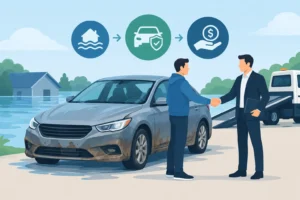
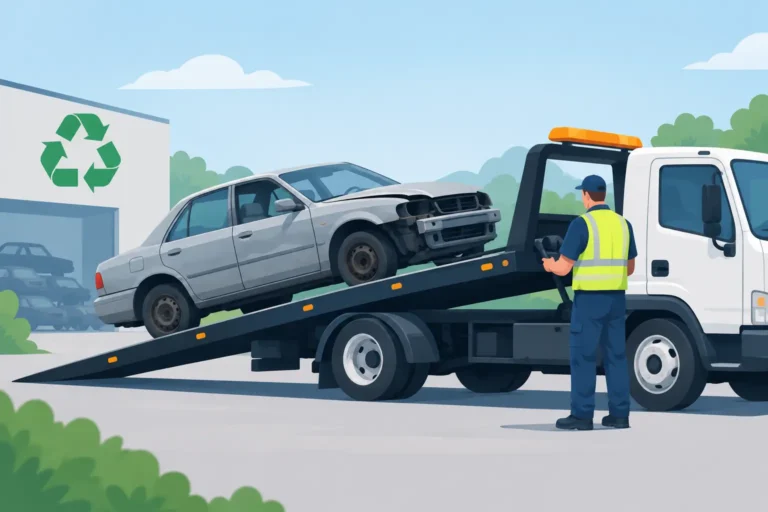
A vehicle can reach the end of its useful life long before it stops taking up space. Maybe it has failed its inspection, the engine has quit, repairs cost more than the car is worth, or it has been sitting after an accident. This end of life vehicle guide explains your practical options: sell it as-is, dismantle it for parts, or arrange recycling and removal without paying to tow it yourself.
The right choice depends on the vehicle’s condition, its demand for reusable parts, and how quickly you need it gone. A late-model car with a damaged transmission may still have good value. An old vehicle with major rust and no working engine may be worth mainly its metal and recyclable components. Either way, a non-running vehicle does not have to become a driveway problem.
When Is a Vehicle at the End of Its Life?
An end-of-life vehicle is not always completely wrecked. It is simply a vehicle that no longer makes financial or practical sense for its owner to keep, repair, or sell privately. That can include cars, vans, SUVs, pickups, commercial trucks, buses, and machinery.
Common examples include a vehicle with serious crash damage, a seized engine, a failed transmission, flood damage, electrical faults, structural corrosion, missing parts, or expired registration. Some owners also choose to sell when a vehicle has become unreliable and repeated repair bills are adding up.
The repair-versus-sale decision usually comes down to numbers. If one repair costs more than the vehicle’s realistic market value, putting more money into it may not be the best move. The exception is a vehicle with sentimental value, a rare model, or an otherwise excellent body and interior. For most everyday vehicles, though, a quick as-is sale is simpler than paying for repairs just to prepare it for a private buyer.
Your End of Life Vehicle Guide: Three Options
Sell it as an unwanted or damaged vehicle
If your vehicle still has resale value, selling it directly to a vehicle buyer or wrecker is often the quickest route. This is especially useful for cars that are damaged, deregistered, broken down, or not worth repairing but still contain usable components.
You generally provide the make, model, year, location, and an honest description of the condition. Details such as whether it starts, has keys, rolls freely, or has major damage help the buyer give a more accurate quote. Be clear about missing wheels, a stripped interior, fire damage, or access issues at the pickup site. Accurate information avoids delays when the tow truck arrives.
A direct sale saves you from listing the car, answering messages, arranging test drives, and dealing with buyers who may try to renegotiate in your driveway. It may not bring the same price as a clean, running vehicle sold privately, but it offers speed, convenience, and a definite removal plan.
Sell reusable auto parts
Some end-of-life vehicles are worth more than scrap because their parts remain in demand. Engines, transmissions, alternators, wheels, body panels, lights, mirrors, seats, and electronic modules can all be useful if they are in good condition.
Selling parts yourself can sometimes produce more money, but it also takes time, tools, storage space, and patience. You need to identify parts correctly, remove them safely, deal with inquiries, and arrange pickup or shipping. It is usually best for people who know vehicles well and have room to keep a partially dismantled car.
For everyone else, selling the whole vehicle to an automotive recycler is the easier answer. The recycler can assess which components can be reused, then process the rest responsibly. That keeps usable parts in circulation without turning your garage or yard into a long-term project.
Recycle it for scrap value
When a vehicle has little chance of being repaired or reused, recycling is the sensible final step. Cars contain valuable materials including steel, aluminum, copper, plastics, glass, and rubber. Before dismantling, a professional operator can remove fluids and hazardous materials, then recover parts and metals that can be processed again.
Scrap value changes with vehicle weight, metal prices, completeness, and the amount of reusable material left on the vehicle. A complete SUV or truck can be worth more than a stripped small car, but a newer compact vehicle with popular parts may still receive a strong offer. There is no single price for every scrap car, so ask for a quote based on your specific vehicle.
What Affects the Offer You Receive?
A fair quote is not based on age alone. Buyers look at the complete picture. The make and model matter because some vehicles have stronger demand for recycled parts. Toyota, Ford, Mazda, Nissan, Honda, Mitsubishi, Subaru, BMW, and Holden vehicles, for example, may retain value when their parts are commonly needed.
Condition matters just as much. A running vehicle with body damage may be more valuable than one that looks tidy but has major mechanical failure. The presence of the engine, transmission, catalytic converter, wheels, battery, keys, and intact panels can also affect the offer.
Location and access are practical factors. A vehicle parked on a flat driveway is easier to collect than one stuck in a narrow backyard, on soft ground, or missing wheels. That does not necessarily mean it cannot be removed. It simply helps to explain the situation upfront so the right towing equipment can be sent.
Do not assume a deregistered vehicle has no value. It may not be suitable for normal road use, but its parts and materials can still be worth money. The same applies to accident-damaged and non-running vehicles.
Prepare the Vehicle Before Collection
You do not need to repair or clean an end-of-life vehicle before selling it. Still, a few simple checks protect you and make collection smoother.
Remove personal items from the glove box, center console, trunk, door pockets, under seats, and any storage compartments. Check for documents, garage remotes, parking passes, sunglasses, tools, child seats, and license plates if local rules require you to retain them.
Gather any ownership or registration paperwork you have, plus photo identification if requested. Requirements can vary by location and vehicle status, so confirm what is needed before pickup. If the title, registration, or keys are missing, say so when requesting a quote rather than waiting until collection day.
Take photos of the vehicle and note its condition. This is useful for your records and helps ensure the quote is based on the right information. If it is parked behind another car, has flat tires, or cannot be moved, mention that too.
Finally, cancel insurance once ownership has been transferred or the vehicle has been collected, following your insurer’s process. If the car is registered under a business, make sure the person arranging the sale has authority to complete the transaction.
How a Fast Vehicle Removal Usually Works
The best removal services keep the process straightforward. You request a quote with the vehicle details and pickup location. If the offer works for you, you choose a collection time. The towing team arrives, checks the vehicle against the description, completes the agreed paperwork, pays you, and loads the vehicle.
Before accepting an offer, ask whether towing is included, when payment is made, and whether there are any extra charges for non-running vehicles, flat tires, missing keys, or difficult access. A clear provider answers these questions before booking, not after the truck arrives.
Quick Cash For Cars buys unwanted vehicles in all conditions and can arrange free removal, making it a practical option when you need an old car, van, truck, or SUV collected without organizing transport yourself. Same-day service may be available depending on the vehicle location and schedule, so it is worth asking if time matters.
Avoid These Common Mistakes
Do not leave an unusable vehicle sitting indefinitely because you are waiting for the perfect buyer. Vehicles deteriorate when exposed to weather, tires go flat, batteries leak, and usable parts can be damaged by moisture or corrosion. The longer it sits, the less convenient it becomes to move.
Avoid paying for major repairs without checking the likely resale value first. A new transmission or engine rebuild can cost far more than the return you will see when selling the vehicle. Get a repair estimate, get an as-is offer, and compare the two before spending money.
Also, do not accept vague pricing. A quote should be based on clear vehicle details, and you should understand whether collection and towing are included. Being upfront about the condition protects both sides and leads to a faster pickup.
An end-of-life vehicle may be finished as your daily driver, but it can still have a useful next step. Get an accurate quote, have the paperwork ready, and choose a buyer that can remove it safely. That old vehicle can be out of your way and turned into cash far sooner than you think.