
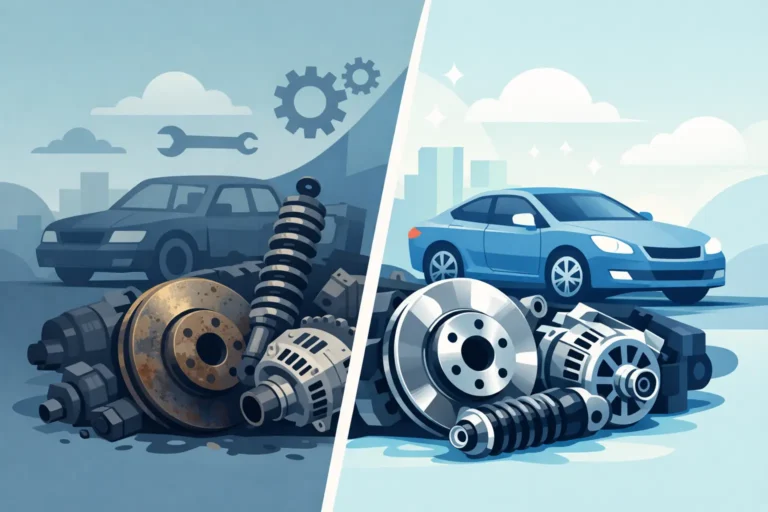
A failed alternator, cracked bumper, or worn-out gearbox can put you in a tough spot fast: fix the vehicle without blowing the budget, or move it on. The choice between used parts versus new parts is not just about the sticker price. It affects how long the repair takes, what warranty you receive, and whether the part is the right fit for your vehicle.
For many everyday repairs, recycled auto parts are a smart way to get back on the road for less. For others, buying new is the safer call. Here is how to make the decision without wasting money on the wrong part.
What Is the Difference Between Used and New Parts?
New parts are unused components sold by the vehicle manufacturer or an aftermarket supplier. Original equipment manufacturer, or OEM, parts are made to the original vehicle specification. Aftermarket parts are made by another manufacturer and can vary widely in quality, fit, and price.
Used parts come from vehicles that have been dismantled. A vehicle may be accident-damaged in one area but still have a perfectly usable engine, door, headlight, transmission, interior component, or wheel. A professional auto recycler checks, removes, and stores these salvageable components for resale.
The key point is simple: used does not automatically mean worn out. It means the part has had previous use. Its condition, mileage, compatibility, and source matter more than the label alone.
Used Parts Versus New Parts: Start With Safety
Safety-critical parts deserve the most caution. If a component could directly affect your ability to stop, steer, see, or protect passengers in a crash, a new part is often the better choice.
Brake pads, brake fluid, filters, drive belts, timing belts, wiper blades, and many suspension wear items are generally best bought new. These parts are designed to wear out over time, and it can be difficult to judge their remaining life from appearance alone.
The same care applies to airbags, seat belts, and certain steering components. Unless the part has been inspected, certified where required, and supplied by a reputable specialist, do not take chances. Saving a few dollars is not worth creating a safety issue.
That does not mean every used mechanical part is a bad purchase. A tested engine, transmission, differential, alternator, or starter motor can be a practical option when it comes from a trusted dismantler and includes clear warranty terms. The right choice depends on the part, its condition, and the repair you need.
When Used Parts Make the Most Sense
Used parts are often the best value when you need a replacement that does not wear out quickly or when buying new would cost more than the vehicle is worth. This is especially common with older cars, work vans, trucks, SUVs, and vehicles that have been damaged in a minor accident.
Body panels are a good example. A used door, fender, trunk lid, mirror, grille, or bumper may cost far less than a new replacement. If you find one in the right paint color, you could also reduce painting costs. Even when the color is not an exact match, a straight, rust-free panel gives a body shop a solid starting point.
Interior parts are another strong case for buying recycled. Seats, dashboards, window switches, center consoles, trim pieces, seat tracks, glove boxes, and door cards can be expensive or unavailable new, particularly for older models. A matching used part can restore the vehicle without turning a small repair into a major bill.
Electronics can also be worthwhile, but compatibility is crucial. Control modules, instrument clusters, radios, cameras, and sensors may need matching part numbers or programming before they work correctly. Always check with your mechanic or parts supplier before purchasing.
The Real Benefit: Repair Costs That Match the Vehicle’s Value
A new OEM part can be an excellent choice, but it is not always financially sensible. If a 12-year-old car needs an expensive new transmission, a new OEM replacement may cost more than the car is worth. A tested used transmission can make the repair viable and keep a reliable vehicle on the road.
This matters even more when a vehicle has cosmetic damage or is close to the end of its useful life. You may only need the car, ute, or van to run safely for another year or two. In that situation, paying premium prices for every replacement part may not make sense.
Used parts can help owners avoid financing another vehicle before they are ready. They also give repair shops and DIY owners more options when a new part has a long wait time or has been discontinued.
Why New Parts Are Sometimes Worth the Extra Cost
New parts offer predictability. You know they have not been exposed to previous heat cycles, wear, impact damage, or unknown maintenance history. They usually come with a manufacturer or supplier warranty, and installation may be simpler when the fit is exact.
For newer vehicles, OEM parts can also protect resale value and help maintain factory performance. This is particularly relevant for vehicles still under warranty, late-model commercial vehicles that need dependable uptime, or cars with advanced driver-assistance systems.
A low-cost aftermarket part is not always equal to OEM quality. Some aftermarket brands are excellent, while others may have poor fitment, short service life, or inconsistent materials. If you are buying new, ask whether the part is OEM, OEM-equivalent, or budget aftermarket. Those are different products with different price points.
Check These Details Before You Buy a Used Part
A used part should never be a guess. Give the supplier accurate vehicle information, including the make, model, year, engine size, transmission type, and vehicle identification number when available. Small differences between model years can change connectors, mounting points, software, and part numbers.
Before paying, ask about the part’s condition, mileage if relevant, testing process, and warranty. For an engine or transmission, find out what is included. A replacement engine may not come with accessories such as an alternator, starter, intake components, or air-conditioning compressor. Knowing this upfront prevents surprise labor costs later.
Also inspect the part when possible. Look for cracks, corrosion, broken mounting tabs, damaged wiring plugs, leaks, or signs of previous repairs. Cosmetic scuffs may be acceptable on a used bumper or door, but structural damage is a different matter.
A reliable recycled-parts supplier should be straightforward about what they have, what condition it is in, and what happens if it is not the correct fit. Clear answers are a good sign. Vague descriptions and no warranty are reasons to keep looking.
Think About Labor, Not Just the Part Price
The cheapest part is not always the cheapest repair. If replacing a component requires several hours of labor, it may be worth paying more for a new part with a stronger warranty. Replacing the same failed used component a few months later means paying labor twice.
For easy-to-replace items, the risk can be lower. A used mirror, tail light, wheel, door handle, or interior switch may be quick to fit and offer major savings. For hard-to-access parts such as a timing component, water pump, or transmission, reliability matters more because labor is a large portion of the bill.
Talk to your mechanic before ordering anything. They can tell you whether the repair is labor-intensive, whether a used part is appropriate, and whether a specific brand or part number should be avoided.
Recycled Parts Also Keep Useful Materials Out of the Waste Stream
Choosing a usable recycled part means one less component needs to be manufactured, packaged, and shipped. It also keeps valuable metal, plastic, glass, and electronic components in use rather than sending them straight to scrap.
That is one reason vehicle dismantling matters. A non-running, wrecked, or unwanted vehicle can still contain many useful parts. At Quick Cash For Cars, vehicles are assessed for reusable components as well as scrap value, helping extend the life of parts that still have plenty to give.
If your vehicle is too damaged or too costly to repair, selling it to a professional buyer can be the practical next move. You can clear the driveway, avoid arranging transport for a dead car, and let usable materials be recovered properly.
Make the Choice That Fits the Repair
There is no single winner in used parts versus new parts. Buy new when safety, critical wear, warranty protection, or difficult labor makes reliability the priority. Choose quality used parts when the component is suitable, the price gap is significant, and you can confirm the correct fit and condition.
The best repair is the one that gets your vehicle back to safe, dependable use without spending more than the vehicle and your situation justify. A good supplier and an honest mechanic can help you make that call with confidence.

