A broken-down car in the driveway is more than an eyesore. It takes up space, can become a safety issue, and often costs more to repair than it is worth. Waikato vehicle collection gives owners a straightforward way to turn an unwanted vehicle into cash without arranging a tow, listing it online, or waiting for a buyer who may never show up.
Whether you have an old sedan that will not start, an accident-damaged SUV, a deregistered work van, or a truck that has reached the end of its working life, collection can be arranged around the vehicle’s condition. The goal is simple: get a fair quote, have the vehicle removed, and receive payment without extra hassle.
When Vehicle Collection Makes More Sense Than Selling Privately
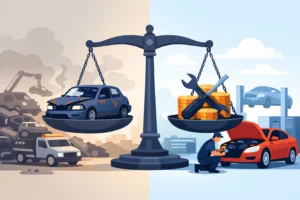
Private selling can work well for a clean, roadworthy vehicle with current registration and a clear service history. But it is rarely the easiest route for a car with mechanical faults, body damage, expired registration, or a failed inspection. Buyers often expect test drives, paperwork, repairs, and a price that reflects a vehicle in usable condition.
Collection is usually the more practical option when the vehicle is not worth fixing, cannot legally be driven, or would cost too much to transport. You do not need to clean it up for photos, pay for advertising, or deal with people who promise to come by and do not turn up.
This also applies to commercial vehicles. A worn-out ute, fleet van, bus, 4WD, or light truck can occupy valuable space at a workshop or depot. Removing it promptly helps keep your site clear while returning some value from an asset you no longer need.
What Vehicles Can Be Collected in Waikato?
Most unwanted vehicles still have value, even when they are no longer running. Value can come from usable parts, metal, wheels, batteries, catalytic converters, and components that can be recycled or reused.
A vehicle collection service can generally take cars, vans, utes, SUVs, 4WDs, trucks, buses, and some heavy machinery. It can also be suitable for vehicles that are accident-damaged, flood-damaged, dead, dismantled, deregistered, failed inspection, or completely non-running.
Condition matters when a quote is calculated, but it does not automatically prevent collection. A late-model vehicle with engine trouble may have valuable parts. An older scrap car may have lower resale value but still be worth removing for its recoverable materials. The key is to give accurate details from the start so the quote reflects what is actually being collected.
How the Collection Process Works
The best collection process does not ask you to solve a towing problem before you can sell your vehicle. It should be clear from the first call or quote request through to payment and pickup.
1. Share the vehicle details
Start with the make, model, year, location, and overall condition. Let the buyer know whether it starts, whether it has major damage, and whether it is complete. If you know of missing parts, mechanical issues, or registration status, mention those too.
You do not need to be a mechanic. Plain details such as “engine will not start,” “rear-end damage,” or “has been parked for two years” are enough to begin. Photos can help with heavily damaged vehicles, but a clear description is often the quickest first step.
2. Receive a quote and arrange pickup
Once the details are reviewed, you can receive an offer based on the vehicle’s type, age, condition, parts demand, scrap value, and collection location. A reputable service will explain that the final amount depends on the vehicle matching the description provided.
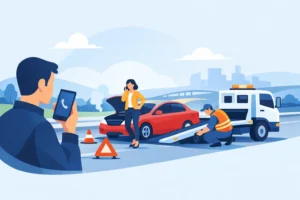
If the offer works for you, collection can be scheduled at your home, workplace, workshop, roadside location, farm, or storage site. Same-day pickup may be available when the schedule and location allow it. If not, a suitable collection time can be arranged without leaving you to find a tow truck yourself.
3. Get paid and have it removed
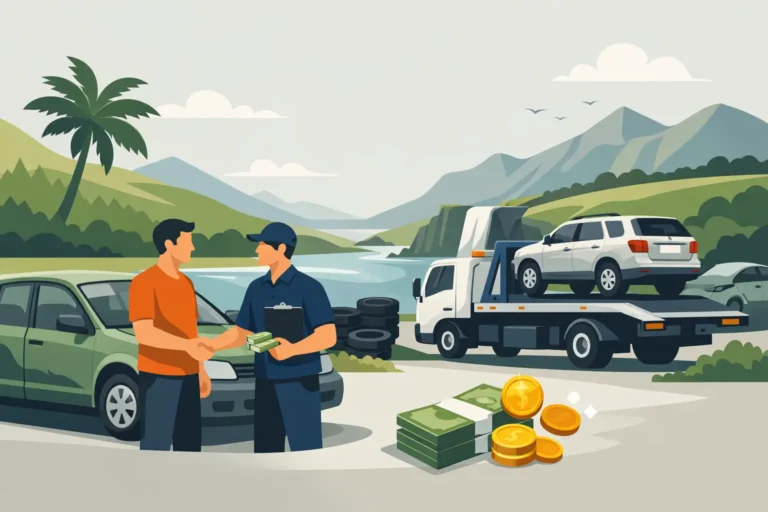
At pickup, the driver confirms the vehicle details, completes the required handover, and removes the vehicle with the right equipment. Payment is made on the spot according to the agreed arrangement. There should be no surprise towing bill added at the end.
That is the value of free vehicle removal: you are not paying money to get rid of something you have already decided to sell. Quick Cash For Cars focuses on making that process fast, clear, and practical for Waikato owners.
What Affects the Price You Receive?
There is no single price for every unwanted vehicle. Two cars of the same model can have very different values depending on their condition and what parts are still usable.
Newer vehicles often have stronger demand for engines, transmissions, body panels, electronics, wheels, and interior parts. Popular makes can also attract better offers because recycled components are useful to more drivers and repair shops. Toyota, Mazda, Mitsubishi, Nissan, Honda, Ford, Subaru, Suzuki, Holden, and BMW vehicles may hold value through parts even when they are no longer roadworthy.
Weight and scrap-metal value matter too, particularly for older cars and commercial vehicles. However, a heavier vehicle does not always mean a higher offer. Accessibility, missing components, severe corrosion, fire damage, and the cost of recovery can affect the final figure.
Be wary of offers that sound high but do not clearly confirm whether towing is included. A genuine quote should tell you what is being paid and whether removal is free. Honest information from both sides prevents delays at collection time.
Prepare Your Vehicle Before Pickup
Preparing an unwanted vehicle should take minutes, not a full weekend. Remove personal belongings from the glove box, center console, trunk, under-seat storage, and door pockets. Check for garage remotes, documents, toll tags, work equipment, child seats, and spare keys.
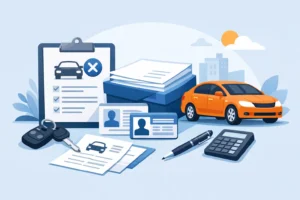
Keep any ownership or vehicle paperwork you have available. Requirements can vary depending on the vehicle’s status and the type of transaction, so it is sensible to ask what identification or documents are needed when arranging the pickup. If the vehicle is registered in another person’s name, sort out authority to sell before the collection team arrives.
Also make access easy where possible. Move other vehicles if the unwanted car is boxed in, tell the collector about narrow driveways or locked gates, and mention if the vehicle has flat tires or is sitting on grass, gravel, or uneven ground. A tow operator can handle difficult pickups, but advance notice helps ensure the correct truck and equipment are sent.
A Better Option for End-of-Life Vehicles
Leaving a dead vehicle to rust is not a plan. Fluids can leak, tires deteriorate, and a parked vehicle can become harder and more expensive to move over time. Removing it early clears your property and allows reusable parts and materials to be recovered instead of wasted.
Recycled auto parts also give other vehicle owners a lower-cost repair option. A tested used door, alternator, engine component, wheel, or interior part can keep another vehicle on the road without the price of buying new. That practical reuse is one reason vehicle collection remains useful even for cars that look beyond saving.
If your unwanted vehicle is taking up room, start with an accurate description and ask for a clear quote. A quick collection can turn a stalled problem into space in your driveway and money in your hand.