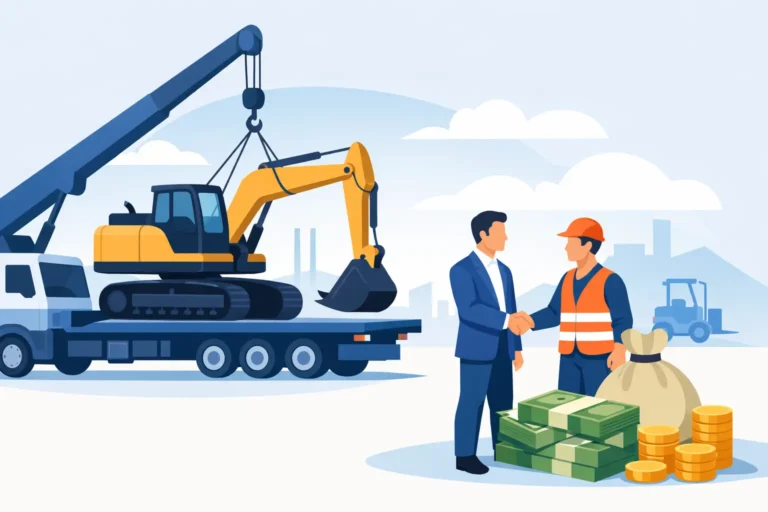
A broken excavator behind the workshop or an idle forklift taking up warehouse space is more than an eyesore. It ties up room, creates a safety concern, and may be worth more than you think. Heavy machinery removal for cash gives contractors, farmers, fleet managers, and property owners a direct way to clear unwanted equipment and get paid without arranging transport themselves.
The best option depends on the equipment, its condition, where it is sitting, and whether it can be safely loaded. A machine does not need to be running or road-ready to have value. Worn-out, damaged, deregistered, incomplete, and end-of-life equipment can still contain recoverable metal, components, and parts.
When Heavy Machinery Removal for Cash Makes Sense
Holding onto old equipment can feel like the safer choice, especially when it was expensive to buy. But a machine that has been parked for months can quickly become a drain on space and time. Tires deteriorate, fluids leak, weather causes further damage, and a future repair can become even less realistic.
Cash removal is often a practical choice when repair costs outweigh the machine’s working value, a project has finished, a business is reducing its fleet, or a property needs to be cleared. It is also useful after an accident, mechanical failure, fire damage, or long-term storage.
Common equipment that may be accepted includes excavators, loaders, bulldozers, skid steers, backhoes, forklifts, tractors, rollers, graders, cranes, generators, and compact site machines. Commercial vehicles such as work trucks, vans, buses, and trailers may also be assessed alongside machinery.
The condition affects the offer, but it is not the only factor. A non-running machine with sought-after components may be worth more than an older machine that still starts but has little resale demand. Weight, make, model, age, attachments, access for towing, and current material values can all matter.
What Determines Your Machinery’s Cash Offer?
A fair quote starts with clear information. You do not need to be a mechanic, but the buyer will need enough detail to plan the collection and value the equipment accurately. Having the machine’s make, model, approximate year, serial number, condition, and location ready helps avoid delays.
Photos are especially useful when equipment has visible damage, missing parts, flat tires, or is located on uneven ground. A few clear images of all sides, the cab, engine area, attachments, and any major damage can make the quote more accurate from the start.
Size and loading difficulty also matter. A compact skid steer in an accessible lot may be straightforward to collect. A large excavator behind a locked gate, on soft ground, or in a tight construction yard may require different towing equipment and extra planning. That does not automatically mean it cannot be removed. It simply means the removal team needs the right information before arriving.
Be honest about the condition. If the engine is seized, the hydraulics are leaking, or the machine has been stripped for parts, say so. Accurate details protect you from a changed offer at pickup and help ensure the correct truck, trailer, winch, or loading gear is sent.
How the Removal Process Works
The process should be simple: provide the machine details, receive a quote, then arrange a collection time that works for your site. With Quick Cash For Cars, the goal is to remove the logistical burden from the owner, not hand them a long list of jobs to complete before pickup.
Once an offer is agreed, the collection team confirms access and any equipment needed for loading. You should make sure there is a clear route to the machinery, remove personal belongings from cabs or storage compartments, and tell the team about site rules, gates, or hazards. If the machinery is on a commercial site, let the relevant manager or security staff know a removal vehicle is expected.
At collection, the equipment is checked against the details provided. Payment is made on the spot according to the agreed arrangement, and the machinery is loaded for removal. For accepted machinery, pickup should not leave you searching for a separate towing company or paying unexpected removal charges.
Paperwork and Site Access Are Worth Checking First
Before selling, confirm that you have the right to dispose of the machinery. Keep any ownership records, purchase paperwork, registration details where applicable, and serial number information available. If equipment is financed, leased, jointly owned, or subject to a lien, resolve that issue before arranging collection.
For business-owned machinery, the person approving the sale should have authority to do so. This is particularly important for fleet equipment, workshop assets, and machines held by a company, farm, partnership, or estate. A quick paperwork check can prevent a collection from being delayed at the gate.
Site access deserves the same attention. Tell the buyer if the machine is underground, in a narrow rear yard, behind another vehicle, on a steep driveway, or in an area with overhead lines. Heavy equipment removal is a safety job, not a rushed tow. Good access details allow the team to organize a safe, efficient pickup.
Do Not Let an Old Machine Become a Bigger Problem
Unused machinery can create costs that are easy to overlook. It occupies valuable storage space, attracts complaints on commercial or rental properties, and may create environmental issues if oil, fuel, coolant, or hydraulic fluid leaks. If children, visitors, or untrained staff can access it, it can also become a real safety risk.
Removing the machine promptly gives you a clean area for active equipment, parking, stock, or a new project. For contractors, it can free up yard space before the next job. For farmers and property owners, it can make sheds, paddocks, and accessways usable again.
There is also a practical recycling benefit. Equipment that cannot return to work may still provide reusable parts and recoverable materials. This is usually a better outcome than leaving a machine to rust into the ground or paying for storage while its condition continues to decline.
How to Get a Faster, More Accurate Quote
A fast quote is easier when the essential facts are ready. Share the equipment type, make, model, approximate age, whether it runs, known faults, attachments included, and your location. Mention any missing parts, accident damage, fire damage, or access issues upfront.
If you are selling several items, describe each one separately. A loader, damaged work truck, old forklift, and spare bucket may all have different values. Grouping them into one vague description can slow the assessment. Clear information helps the buyer calculate the right offer and arrange suitable transport in one visit where possible.
Avoid spending money on cosmetic repairs just to sell unwanted equipment unless you know the work will add more value than it costs. For machinery being sold for parts, recycling, or recovery, cleaning it out and making it accessible is usually more useful than repainting panels or chasing a costly repair.
Questions Owners Often Ask
Can I sell machinery that does not start?
Yes, non-running machinery may still be eligible for removal and payment. Be clear about why it does not start, if known, and whether it can roll or steer for loading. The removal plan may differ for a dead machine, but it can still have value.
Is free removal available for large equipment?
Removal arrangements depend on the equipment, access, and location. Provide the full details first so the buyer can confirm whether the collection is included and what equipment is needed. A transparent quote should explain the arrangement before pickup.
Do I need to transport the machinery myself?
No. The purpose of a removal service is to handle collection for you. This is particularly valuable for equipment that is unsafe to drive, no longer registered, too damaged to move, or too large for ordinary transport.
An unwanted machine does not have to keep costing you space, storage, and attention. Gather the details, describe the condition honestly, and arrange a quote while the equipment is still accessible. The sooner you organize removal, the sooner that space can work for you again.