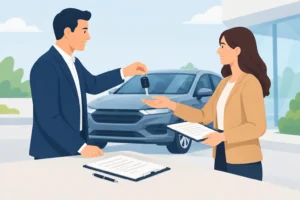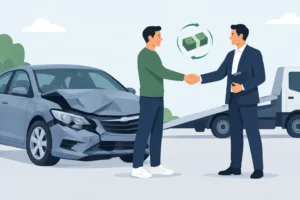
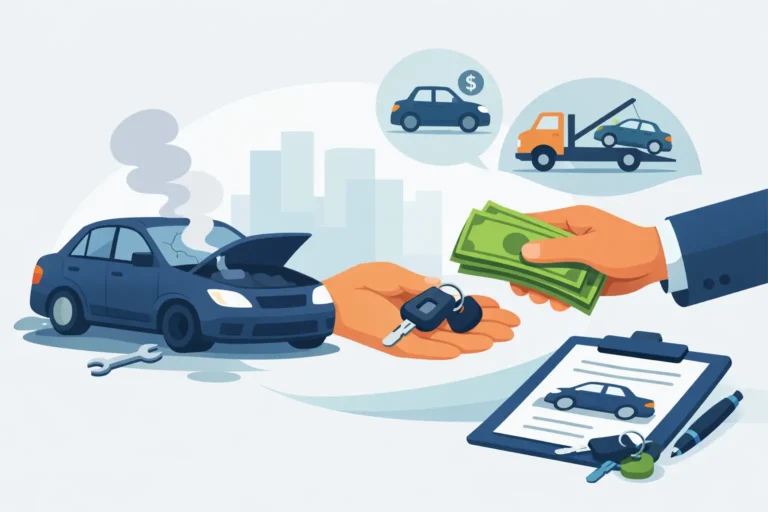
A car that will not start can become expensive surprisingly fast. It takes up room in the driveway, may need a tow just to reach a buyer, and can leave you wondering whether another repair bill is worth it. If you need to sell a non running car, you do not have to fix it first or find a way to deliver it yourself. The right vehicle buyer can quote on its current condition, collect it from your location, and pay you at pickup.
For many owners, selling as-is is the practical choice. That is especially true when the car has engine trouble, transmission failure, accident damage, electrical faults, missing parts, expired registration, or a repair estimate that is higher than the vehicle’s value.
When Selling a Non-Running Car Makes Sense
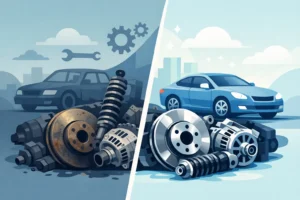
A non-running vehicle is not automatically worthless. It may still have reusable parts, scrap metal value, working panels, wheels, batteries, interiors, or components a dismantler can recover. Utes, vans, 4WDs, trucks, buses, and machinery can also retain value even when they are no longer roadworthy.
The key question is not simply, “Can it be repaired?” It is, “Does repairing it make financial sense?” A failed starter might be a low-cost fix. A cracked engine block, major transmission issue, flood damage, or serious crash damage is different. Once the repair cost, towing cost, registration, and time involved start adding up, selling the vehicle in its current state can be the better move.
You may also want it gone quickly if it has been sitting for months. Vehicles left unused can develop flat tires, seized brakes, dead batteries, fluid leaks, and further deterioration. Waiting for the perfect private buyer can cost more than it returns.
Your Main Options for a Dead Car
You can attempt a private sale, trade it in, repair it before selling, or sell directly to a cash-for-cars buyer or auto wrecker. Each option has a trade-off.
A private sale can sometimes bring a higher price when the vehicle is desirable, the fault is minor, and you have time to answer messages, negotiate, and arrange viewings. But buyers usually expect a steep discount for a car that cannot be test-driven. You also need to be clear about the fault and decide how the buyer will tow it away.
Repairing before sale can work if you know the problem is small and the vehicle has a strong resale value. Do not approve repairs based only on hope, though. Ask for a written estimate and compare it with the likely running value. A repair that costs thousands may not increase your sale price by the same amount.
A direct vehicle buyer is often the simplest option for badly damaged, deregistered, scrap, or end-of-life vehicles. You provide the details, receive an offer, accept it if it works for you, and arrange collection. There is no need to list the car, pay for a tow, or explain its faults to multiple strangers.
What Determines the Offer?
No honest buyer can name a guaranteed amount without knowing the vehicle. The price depends on its make, model, year, condition, location, and demand for parts and scrap materials.
A late-model SUV with a failed engine may be worth more than an older sedan with extensive rust, even though neither one runs. Popular makes can have stronger parts demand. The condition of the body, wheels, catalytic converter, transmission, panels, and interior can matter as much as the reason it stopped running.
Be ready to share the basics: the make and model, year, mileage if known, registration status, exact issue, general condition, and pickup location. If the vehicle has been in an accident, say so. If parts are missing, mention that too. Clear information helps the buyer give a more realistic quote and avoids surprises at collection.
Photos can help, particularly for vehicles with collision damage. Take a few in daylight showing the front, rear, sides, interior, and any major damage. You do not need to make the car look perfect. You just need to show what is there.
How to Sell a Non Running Car Without Paying for Towing
The biggest obstacle is usually transport. A non-running car cannot be driven to a dealership, a scrapyard, or a private buyer. Calling a separate tow company can take time and reduce what you make from the sale.
Look for a buyer that includes free vehicle removal as part of the service. That means the pickup is arranged after you accept the quote, and you are not expected to get the vehicle running first. Confirm that the buyer can access your driveway, garage, yard, workshop, or roadside location. Let them know if the wheels are locked, the car is blocked in, or it is parked on a difficult surface.
At Quick Cash For Cars, the process is designed for owners who need an unwanted vehicle removed without extra hassle. Non-running, damaged, scrap, and deregistered vehicles can be collected, with payment made at pickup once the agreed details are confirmed.
Free removal matters because it keeps the transaction straightforward. The offer should not shrink at the last minute because the car will not start, provided you accurately described its condition when requesting the quote.
Get Ready Before Collection
You do not need to spend money detailing a dead car, but a few simple checks make pickup easier. Remove personal belongings from the glove box, center console, trunk, door pockets, and under the seats. Check for paperwork, tools, garage remotes, sunglasses, and child seats.
Keep any available keys ready, including spare keys. If you have ownership documents or registration paperwork, have those available too. Requirements can vary depending on the vehicle and local rules, so ask the buyer what identification or documents they need before collection.
If the car is safe to access, remove your license plates where required and notify the relevant transport authority after the sale if the vehicle is being deregistered or transferred. Do not worry if you are unsure of the process. A professional buyer should explain what happens next and what you need to do.
You should also be clear about access. Tell the pickup team about narrow gates, apartment parking, low clearance, a steep driveway, or a vehicle that is stuck in place. This is not a reason to avoid requesting a quote. It simply helps ensure the right towing equipment arrives.
Watch for These Common Selling Mistakes
The first mistake is spending money on repairs before knowing whether they will pay back. A diagnostic fee may be worthwhile, but major repairs should be weighed against the car’s actual value, not its sentimental value.
The second is accepting a vague offer. Ask whether towing is included, whether payment is made at pickup, and whether there are any charges for collection. A clear quote and straightforward communication are better than a headline number followed by unexpected deductions.
The third is withholding damage details. Saying a vehicle “just needs a battery” when it has a failed engine wastes everyone’s time and can affect the final offer. Be direct from the start. A buyer that handles all conditions is used to hearing about major faults.
Finally, do not leave paperwork and personal data inside the vehicle. Remove documents that show your address, reset connected systems if possible, and clear saved contacts from infotainment units before the car goes.
A Faster Way to Clear Your Driveway
Selling a non-running vehicle does not have to turn into weeks of listings, missed appointments, tow quotes, and low offers. Give accurate vehicle details, compare the practicality of repair against an as-is sale, and choose a buyer that can collect the car where it sits.
A dead car may no longer get you where you need to go, but it can still free up space and put cash in your hands. Request a quote when you are ready, ask the right questions, and let the pickup team handle the hard part.