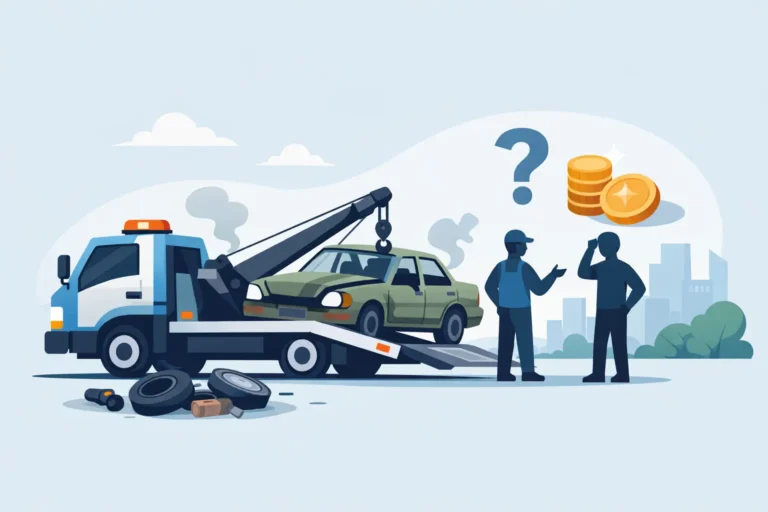
A dead car in the driveway can turn into an expensive problem fast. It takes up space, may leak fluids, and often costs more to repair than it is worth. Free towing for scrap cars gives owners a practical way to clear it out without paying a tow truck first – and, in many cases, receive payment for the vehicle at collection.
But “free” should mean exactly that. Before agreeing to a pickup, make sure you know what is included, what information the buyer needs, and whether the price you were quoted is the amount you will actually receive.
What Free Towing for Scrap Cars Should Include
A legitimate scrap-car removal service collects your vehicle from its location and does not deduct towing fees from your payment. You should not need to get a non-running car to a wrecking yard, arrange transport yourself, or hand over cash to have the vehicle removed.
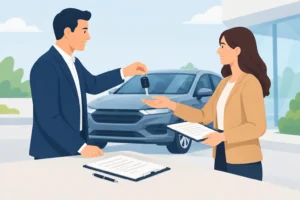
The process is usually straightforward. You provide the vehicle’s make, model, year, condition, and location. The buyer gives you a quote, organizes a collection time, inspects the vehicle when they arrive, completes the necessary paperwork, and pays you. The tow truck then takes the car away.
Free removal is especially useful when the car has a flat battery, a seized engine, crash damage, missing parts, expired registration, or no current warrant of fitness. These are exactly the situations where trying to sell privately or drive the vehicle to a buyer becomes difficult.
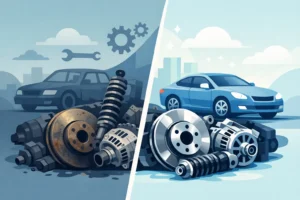
That said, free towing does not mean every vehicle has the same value. A late-model car with reusable parts, a catalytic converter, good wheels, or a sought-after engine may be worth more than an older vehicle that has been sitting outside for years. A clear quote should reflect the vehicle’s likely salvage, scrap-metal, and parts value without surprise collection charges.
When a Scrap Car Is Worth Removing
Many owners wait too long because they assume a broken vehicle has no value. In reality, cars do not need to be roadworthy to be worth something. Wreckers buy vehicles for reusable components and recyclable materials, not just for their ability to drive.
Your car may be a good candidate for removal if it has failed its inspection, suffered an accident, needs major engine or transmission work, or has become uneconomical to repair. Deregistered cars, flood-damaged vehicles, abandoned project cars, and vehicles with serious rust can also be collected.
Commercial owners can use the same service for unwanted vans, utes, 4WDs, trucks, buses, and some heavy machinery. For a business, clearing an unusable vehicle from a yard can free up room and avoid the ongoing hassle of storing an asset that is no longer earning its keep.
The condition affects the offer, but it should not stop you from asking for a quote. Even if the car does not start, the collector can assess it based on its details and arrange suitable equipment for pickup.
How to Get an Accurate Quote Before Pickup
The fastest way to avoid confusion is to give honest, specific details from the start. You do not need to be a mechanic, but you should mention major issues you know about. Say whether the vehicle starts, whether it has crash damage, whether key parts are missing, and where it is parked.
A useful quote request includes the make, model, year, trim if known, and your suburb or town. Photos can help when there is visible damage. Let the buyer know if the car is in a garage, behind another vehicle, on a narrow driveway, or missing wheels. These details help the towing team bring the right truck and avoid delays on collection day.
Be cautious of vague offers that sound high but are not confirmed after basic questions. A fair buyer will explain that the final value depends on checking the vehicle, while still giving a realistic estimate based on the information supplied. If a company advertises free removal, ask directly whether towing, loading, and paperwork are included in the quoted amount.
At Quick Cash For Cars, the focus is simple: provide the vehicle details, receive an instant quote, arrange collection, and get paid when the vehicle is picked up. There should be no need to chase separate towing providers or negotiate fees after the truck arrives.
What to Have Ready for Collection Day
You do not need to spend days preparing a scrap car, but a few checks make the handover easier. Remove your personal belongings from the glove box, center console, trunk, door pockets, and under the seats. Check for documents, garage remotes, toll tags, sunglasses, tools, and child seats. Once the car is loaded, retrieving anything left inside may not be possible.
Have your photo identification and vehicle ownership information ready. Requirements can vary depending on the vehicle’s registration status and the circumstances of the sale, so tell the buyer early if you do not have the registration papers or if the vehicle is registered in another person’s name. The person selling the vehicle must have the legal right to do so.
If you have the keys, provide them. If the keys are lost, say so when booking. The vehicle can often still be removed, but the towing team may need to plan for it differently. Also make sure the car is accessible at the agreed time. A vehicle blocked by another car, locked behind a gate, or parked in a tight space can turn a quick removal into a delayed job.
Why Free Removal Can Be Better Than a Private Sale
Selling a running, clean, roadworthy car privately can sometimes bring in more money. If your vehicle is in good condition and you have time for advertising, viewings, test drives, and negotiation, that route may suit you.
A scrap or damaged car is different. Private buyers may expect you to repair it, transport it, provide inspections, or accept a low offer after they arrive. You may also be left dealing with no-shows and messages from people who are not serious.
Free towing removes those steps. There is no need to pay for a tow to a repair shop, spend money on repairs just to sell the vehicle, or leave it sitting on your property while you look for a buyer. For many owners, the convenience of same-day or scheduled removal is worth more than trying to squeeze extra dollars from a car that is no longer practical to keep.
Questions to Ask Before You Say Yes
Not every offer is the same, so take a minute to confirm the basics. Ask whether the quoted amount is paid in full at pickup, whether the towing service is free from your exact location, and whether there are any deductions for a non-running car, flat tires, or missing parts.
You should also ask how payment is made and what identification or ownership documents are required. A professional buyer will answer clearly and will not pressure you to hand over the vehicle before the agreed payment is made.
If the car is a rare model, has valuable aftermarket parts, or is a newer vehicle with limited damage, it can be worth getting more than one quote. On the other hand, if it is a severely damaged, incomplete, or long-abandoned car, a dependable collector that can remove it promptly may be the best result.
Get the Car Gone Without Paying for the Tow
An unwanted vehicle does not improve by sitting in the driveway, yard, or workshop. It loses space, becomes harder to move, and can become a source of complaints or stress. Free towing for scrap cars gives you a clear path forward: share the details, confirm the offer, prepare your paperwork, and let a professional team collect it.
Choose a buyer that is upfront about the price and removal process. When the towing is genuinely free and payment is arranged at pickup, getting rid of a scrap car can be one of the quickest jobs on your list.