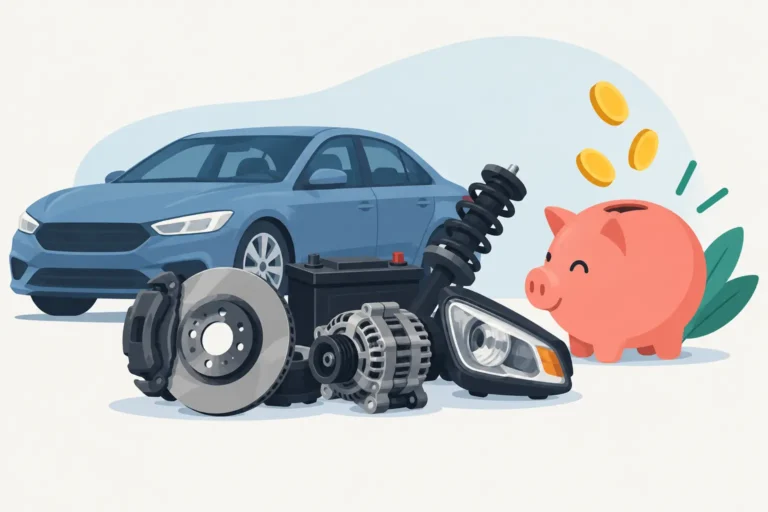
A cracked headlight, failed alternator, or missing side mirror can turn a simple repair into an expensive surprise. Used parts give vehicle owners a practical way to get back on the road without paying new-part prices, especially for common makes and older vehicles where new components may be hard to find.
The key is buying the right part for the right job. A recycled door, wheel, engine, or taillight can be a smart purchase. A worn safety component or an electronic module that does not match your vehicle can quickly become money wasted. Here is how to make a confident decision before you buy.
When Used Parts Make Sense
Used auto parts are often a strong option when the original part is damaged but the rest of the vehicle is still worth keeping. Body panels, doors, bumpers, mirrors, windows, wheels, seats, trim pieces, and headlights are common examples. These parts usually do not wear out internally, and a clean matching replacement can cost far less than a new one.
Many mechanical parts can also be worth buying used. Engines, transmissions, differentials, starters, alternators, air-conditioning compressors, and suspension assemblies are regularly recovered from vehicles that have been dismantled for reasons unrelated to that component. A car may have accident damage at the rear, for example, while its engine and front-end parts are still in good working condition.
It depends on the repair. If your mechanic has diagnosed a failed engine and your vehicle is otherwise sound, a tested used engine may make financial sense. If the car needs an engine, transmission, major suspension work, and body repairs, putting money into it may not be the best move. In that case, selling the vehicle for cash and choosing a replacement vehicle can be the simpler path.
Used Parts: Start With an Exact Match
Do not buy a part based only on the make and model name. A Toyota Camry part may differ by model year, engine size, trim level, drivetrain, or production date. The same applies to Ford, Nissan, Honda, Mazda, BMW, Subaru, Mitsubishi, Holden, Suzuki, and other common vehicles.
The best starting point is the original part number. It is often printed, stamped, or labeled on the component itself. If you cannot find it, provide the vehicle identification number, model year, engine size, transmission type, and a clear description of the part you need. Photos are especially useful for lights, mirrors, body panels, electronic modules, and interior pieces.
For body parts, paint color is worth checking, but do not assume a color name guarantees a perfect match. Sun exposure, previous repairs, and factory paint variations can make two panels look slightly different. A matching paint code improves your chances, while a repaint may still be needed for a clean finish.
Electronics Need Extra Care
Modern vehicles rely on sensors and control modules for everything from parking assistance to engine management. Some used electronic parts will work as direct replacements. Others need programming, coding, calibration, or a security reset after installation.
Before buying an ECU, body control module, instrument cluster, infotainment unit, key-related component, or airbag module, ask whether it will need professional programming. Confirm that your installer can handle that work. A low-cost module is not a bargain if it cannot communicate with your vehicle.
Avoid Guesswork on Safety Parts
Safety-related components deserve a higher standard. Brake pads, brake fluid, tires with unknown history, damaged seat belts, airbags, and heavily corroded suspension parts are not items to buy casually. New parts are often the safer choice where wear, hidden damage, or age can affect performance.
Some recycled safety components can be suitable when professionally inspected and correctly matched, but do not make the decision on price alone. If you are unsure, ask a qualified mechanic what is appropriate for your vehicle and the repair.
What to Check Before You Pay
A reputable dismantler should be able to tell you what vehicle the part came from, its condition, and whether it has been checked. You do not need to be a mechanic to ask clear questions. Focus on details that affect fit, function, and total cost.
Before committing, confirm these four points:
- The part number or vehicle details match your vehicle exactly.
- The component has no obvious cracks, corrosion, broken mounting tabs, or missing connectors.
- Any warranty or exchange terms are clear before installation.
- You know whether the part requires coding, fluids, seals, labor, or additional hardware.
Ask about the full condition, not just whether the part is available. For an engine, ask about mileage if known, whether it was run or tested, and what accessories are included. For a transmission, confirm the transmission code and whether the torque converter is included. For a headlight, check for broken tabs, moisture inside the lens, and whether bulbs or control units come with it.
A good supplier will give straight answers. If a used part has a visible flaw, you should know before it leaves the yard.
Compare the Whole Repair Cost
The sticker price is only one part of the decision. A used alternator might cost less than a new one, but installation labor can be similar either way. If replacing the part takes several hours, a new component with a longer warranty may be worth the extra money.
On the other hand, spending full retail price for a new bumper, door, or wheel can be hard to justify when a clean recycled replacement is available. These are often practical used-part purchases because the savings can be significant and the installation is straightforward.
Think about how long you plan to keep the vehicle. For a dependable daily driver you expect to own for years, it can make sense to spend more on key maintenance parts. For an older work truck, a second vehicle, or a car you plan to sell soon, quality used parts can keep costs under control without overinvesting.
Buy From a Proper Auto Dismantler
Where a part comes from matters. Parts removed by an established auto dismantler are usually easier to identify and inspect than parts pulled from an unknown vehicle in a private sale. A professional operation can match components using vehicle details and may have access to multiple makes and models in its inventory.
This is particularly helpful when you need a hard-to-find door, tailgate, engine, transmission, or factory wheel. Instead of searching listings one at a time, you can provide your details and ask whether the part is available. It saves time and reduces the risk of buying a part that almost fits.
Quick Cash For Cars dismantles vehicles from major Japanese, European, and American brands, helping usable components stay in service instead of being discarded. That gives owners of older or damaged vehicles another option when a new replacement is too expensive or unavailable.
When Your Vehicle Is Better Sold Than Repaired
Sometimes the repair estimate tells you more than you want to hear. If your car has major mechanical failure, severe accident damage, rust, or repeated electrical problems, sourcing used parts may only postpone the next repair bill.
Take an honest look at the vehicle’s value, its condition, and the total cost to make it reliable again. If the numbers do not stack up, selling the unwanted vehicle can free up space and put cash toward your next car. Even non-running, deregistered, damaged, or scrap vehicles can have value because their usable parts and materials can be recovered.
The best used part is not always the cheapest one. It is the component that fits correctly, does the job safely, and makes financial sense for the vehicle you own. Get the details first, ask direct questions, and let the condition of your car guide the decision.